


Monday 16 November
-
9:00–10:30amMon 16 NovBoardroomBoardroom 2Invite-Only
Others
[Invite-only] Global Rails, Local Certainty: The Next Phase of Cross-Border Payments - Powered by Enterprise SG
About this session
Cross-border payments have become faster, but speed alone does not guarantee execution. A payment can be instant and still fail commercially if the FX rate moves, local-currency liquidity is unavailable, capital is tied up in prefunding, compliance data is incomplete or the transaction cannot be settled at the last mile.
As bank accounts, wallets, card networks and stablecoins converge, institutions need to choose the right rail for each flow without operating separate liquidity, compliance and payout models. This closed-door Boardroom will examine how to connect global movement with reliable local execution - combining traditional and digital rails with FX, treasury, local-currency access and last-mile settlement across fragmented, high-growth markets.
-
9:00–9:20amMon 16 NovLaunchpadLaunchpad RoomOpen
Others
Insights2040 Annual Meetings Opening Address
-
 Anthony ThomasGroup Chief Operating OfficerGlobal Finance & Technology Network (GFTN)
-
 Maha El DimachkiManaging Director, Policy & SkillingGlobal Finance & Technology Network (GFTN)
About this session
Anthony Thomas and Maha El Dimachki will open the Insights2040 Annual Meetings. Insights2040 is GFTN's new revamped brand, where we bring together a year of dialogue, views and perspectives on what is shaping today's and tomorrow's future of financial services. The aim of Insights2040 annual meetings is to turn these perspectives into practical pathways for further research or concrete action.
Taking place at the start of Singapore FinTech Festival week, the Annual Meetings will convene senior leaders from central banks, regulators, financial institutions and technology partners to examine the forces shaping the next phase of global finance.
GFTN will share key findings and priorities emerging from a year of collaboration with its members and partners, examining how technology, geoeconomics, capital, talent and policy are reshaping the financial system. Discussions will span six themes:
- Accountability & Liability in Agentic Systems
- The Scaling Challenge in Tokenized Markets
- Shaping Tomorrow’s Innovation
- Global Frameworks and Shared Best Practices in Payments Chains
- Sovereignty & Resilience in a Rewired Financial System
- Preparing Finance for the Quantum Era
The Annual Meetings will also set out GFTN’s priorities for 2027, building on the work and insights developed over the past year.
-
-
9:00am–12:00pmMon 16 NovDesign ThinkingDesign Thinking RoomOpen
The Scaling Challenge in Tokenized Markets
ASEAN Capital Markets Forum (ACMF) – Digital Working Group: Tokenization Workshop and Roundtable
-
 Barnaby NelsonChief Executive OfficerTheValueExchange
-
 Carmen WeeChief Executive OfficerInvestment Management Association of Singapore
-
 Chaitat PrachuabdeeExecutive Vice PresidentThai Bond Market Association
-
 Lena NgPartnerClifford Chance
-
 Lim Tuang LeeAssistant Managing Director (Capital Markets Group)Monetary Authority of Singapore
-
 Mindaugas LeikaSenior Financial Sector ExpertInternational Monetary Fund (IMF)
-
 Merion AnggerekDirector & Head of Capital Markets Policy Division, Markets Policy & Consumer DepartmentMonetary Authority of Singapore
-
 Nobuyasu SugimotoDeputy Division Chief of Financial Supervision & RegulationInternational Monetary Fund
-
 Dr. Nopnuanparn PavasantAssistant Secretary-GeneralSEC Thailand
-
 Piyaruj GajaseniAssistant DirectorSEC Thailand
-
 Rishi KapoorExecutive Director, Head of Technology & OperationsASIFMA
-
 Tom PikettExecutive DirectorThe Depository Trust & Clearing Corporation (DTCC)
About this session
As the co-chairs of the ACMF Digital Working Group, the Securities and Exchange Commission of Thailand (SEC Thailand) and Monetary Authority of Singapore (MAS) have put together a workshop and roundtable on tokenisation. The workshop aims deepen the understanding of the evolving tokenisation landscape and the opportunities and challenges in advancing tokenisation across ASEAN capital markets. The roundtable seeks to gather industry perspective to inform the development of an industry practice guide to support responsible adoption, interoperability, and scalability of tokenisation in the region.
-
-
9:30–11:00amMon 16 NovPublic-Private RoundtableRoundtable Room 1Open
The Scaling Challenge in Tokenized Markets
Tokenized Markets: Frictions, Choices and the Path to Interoperability
-
 Alan CroftsHead of Innovation & FintechFMA New Zealand
-
 Herman SchuellerDirector, Innovation & Technology Risk - SupervisionDubai Financial Services Authority
-
 Jaime PradenasHead of Financial Technology HubCentral Bank of Chile
-
 Katie MitchellHead of APAC & MEA PolicyCoinbase
-
 Kushal BalluckSenior Manager, FMI Innovation & Payments PolicyBank of England
-
 Michael MaurerResearch EngineerMIT Digital Currency Initiative (DCI)
-
 Owureku AsareDirector, FinTech & InnovationBank of Ghana
-
 Peter KerstensAdvisor, DG FISMAEuropean Commission
-
 Atty. Rogelio V. QuevedoCommissionerSecurities and Exchange Commission (Philippines)
-
 Tang WeiHead of Public Policy, Southeast Asia & ChinaStripe
-
 Toh Wee KeeGlobal Head of InsightsKinexys by J.P. Morgan
-
 Ulrich StrohmeierHead of Wholesale CBDCDeutsche Bundesbank
-
 Dr. Wong Huei ChingExecutive Director, Digital Strategy & InnovationSecurities Commission Malaysia
-
 Jael TanHead of Government ProgrammesGlobal Finance & Technology Network (GFTN)Moderator
-
Maha El DimachkiManaging Director, Policy & SkillingGlobal Finance & Technology Network (GFTN)Moderator
About this session
Tokenization projects today are often built vertically, with each initiative solving a specific problem within its own ecosystem. Yet tokenizing an asset in isolation does not deliver the full potential of tokenization. Benefits such as atomic settlement and greater capital efficiency depend on interoperability across the entire transaction chain — from the asset and its supporting infrastructure to trading, settlement and the movement of money. The challenge is how countries and institutions can pursue their own tokenization ambitions while avoiding the fragmentation that siloed approaches risk creating.
This roundtable brings together findings from a year of open-call research, alongside problem statements and perspectives from private-sector practitioners navigating the practical choices, risks and constraints of tokenization. It will explore how a decision-making framework can help countries assess their starting points and ambitions, identify the capabilities required across the transaction chain, and consider different pathways towards more interoperable markets. Looking ahead to 2027, participants will discuss emerging problem statements and the coordination, partnerships and policy support needed to connect individual initiatives into a more coherent financial ecosystem.
-
-
9:30–11:00amMon 16 NovLaunchpadLaunchpad RoomOpen
Accountability & Liability In Agentic SystemsGlobal Frameworks and Shared Best Practices in Payments Chains
Trust Needed: The Future of Agentic Payments - Powered by Amazon
-
 Amira KarimHead of International Public Policy, Payments & Financial ServicesAmazon
-
 Arena FernandezHead of Digital Regulatory InitiativesAmazon
-
 Colin PayneHead of InnovationFinancial Conduct Authority (FCA)
-
 Jiang FangfangAsia Lead for Digital Financial ServiceInternational Finance Corporation
-
 Jose Manuel Marques SevillanoDirector Financial Market Infrastructures & InnovationBanco de España
-
 Nicole SandlerChief Ecosystem OfficerUbyx Inc
-
Peter KerstensAdvisor, DG FISMAEuropean Commission
-
 Ramana KumarPresident of Stablecoin EcosystemADI Foundation
-
 Shayan HazirChief Digital Officer, Asia (xHK) & MENATHSBC
-
 Simran SinghAI Lab LeadFinancial Conduct Authority (FCA)
-
 Sonja DavidovicSenior Digital Expert on Transformative TechnologyInternational Monetary Fund
-
 Vishal MehtaManaging PartnerTravel & Payments
About this session
When an AI agent makes a payment across borders, who sets the rules and who is accountable if something goes wrong?
This session introduces the Agentic Payments Trust Principles, developed through the FCA Supercharged Sandbox as well as perspectives across the payment value chain will explore what it takes to trust AI agents with our payments – and how the trust principles can work in practice.
A panel discussion with GFIN AI Compass members and other regulators will examine how the trust principles connect with emerging approaches to agentic payments around the world, and what cooperation is needed to make this work with confidence.
Attendees will gain insights into the trust principles in-progress, how they have been applied , and the cooperation needed to govern AI agents in cross-border transactions.
9:30am - 9:45am
Opening Keynote
Speaker(s): Colin Payne, Head of Innovation, Financial Conduct Authority (FCA), Amira Karim, Head of International Public Policy, Payments & Financial Services, Amazon, Nicole Sandler, Chief Ecosystem Officer, Ubyx Inc
.
9:45am - 10:20am
Stakeholders’ Perspectives: Connecting to the Ground
Speaker(s): Jiang Fangfang, Asia Lead for Digital Financial Services, International Finance Corporation, Shayan Hazir, Chief Digital Officer, Asia (xHK) & MENAT, HSBC, Vishal Mehta, Managing Partner, Travel & Payments, Arena Fernandez de Bobadilla Amoros, Head of Digital Regulatory Initiatives, Payments Acceptance and Experience, Amazon, Ramana Kumar, President of Stablecoin Ecosystem, ADI Foundation, Nicole Sandler, Chief Ecosystem Officer, Ubyx Inc (Moderator)
.
10:20am - 10:55am
Panel Discussion: How the Trust Principles Link to What Various Jurisdictions are Thinking About in Relation to Agentic Payments
Speaker(s): Jose Manuel Marques Sevillano, Director Financial Market Infrastructures & Innovation, Banco de España, Simran Singh, AI Lab Chief Financial Architect, Financial Conduct Authority (FCA), Sonja Davidovic, Senior Digital Expert on Transformative Technology, International Monetary Fund, Peter Kerstens, Advisor, DG FISMA, European Commission, Amira Karim, Head of International Public Policy, Payments & Financial Services, Amazon (Moderator)
.
10:55am - 11am
Audience Q&A and Closing
Speaker: Amira Karim, Head of International Public Policy, Payments & Financial Services, Amazon
-
-
9:30–10:30amMon 16 NovWorkshopWorkshop Room 1Open
Global Frameworks and Shared Best Practices in Payments Chains
Sovereign Payments: Who Builds, Funds and Controls the Next Generation of Inclusive Instant Payment Systems? - Powered by Mojaloop
-
 Blaise Pascal GasabiraChief Executive OfficerRswitch Ltd
-
 H.E. Innocent B. MuhiziHigh Commissioner of Rwanda to SingaporeRepublic of Rwanda
-
 Jean Bosco IyacuChief Executive OfficerMojaloop Foundation
-
 Julie GuettaManaging DirectorThitsaWorks
-
 May LohCo-Lead, East Asia & Pacific PracticeDGA - Albright Stonebridge Group
-
 Steve HaleyGlobal Director, Mojaloop EcosystemMojaloop Foundation
-
 Walid AhmedDigital Payments Ecosystem AdvisorMojaloop FoundationModerator
About this session
Your payment rails are national infrastructure, so who really controls them? Instant payment systems are now national utilities, yet the key decisions often sit with a single vendor, an outside funder or experts who leave when the contract ends.
Sovereignty has three pillars, and you need all of them. Technical sovereignty means control over the technology and the freedom to change vendors. Skills sovereignty means local people and firms who can run and grow the system. Economic sovereignty means funding that keeps decision-making in national hands.
Sovereignty doesn’t mean going it alone. Open-source tools like Mojaloop, along with shared standards and peer learning, can give countries real ownership while sharing the costs of development and maintenance.
Straight talk from people who have done it. A country leader, a central bank operator, an implementer and a funder discuss where sovereignty is won or lost, from the first procurement decision to long-term operation.
The session will also present draft funding principles that support national ownership instead of eroding it, and invite funders and adopters to help shape them.
-
-
9:45–11:15amMon 16 NovPublic-Private RoundtableRoundtable Room 2Open
Accountability & Liability In Agentic Systems
Build, Buy, or Own: Strategies for Responsible AI Adoption in Finance
-
 Jason LeeCo-Head, Legal & RegulatoryTemasek
-
 Jeremy HorExecutive Director, Enterprise Knowledge DepartmentMonetary Authority of Singapore
-
 Levan KobakhidzeHead of Payments Business DirectionBank of Georgia
-
 Louise JohnstonDigital Assets & Blockchain, Global PolicyMastercard
-
 MP OliveiraHead of Venture InvestmentsNeoVentures by Mashreq
-
 Nilanshuk HaldarGlobal Head of PartnershipsNucleus Software
-
 Norbert IzerExecutive Director for Financial Markets & DigitalizationCentral Bank of Hungary (Magyar Nemzeti Bank, MNB)
-
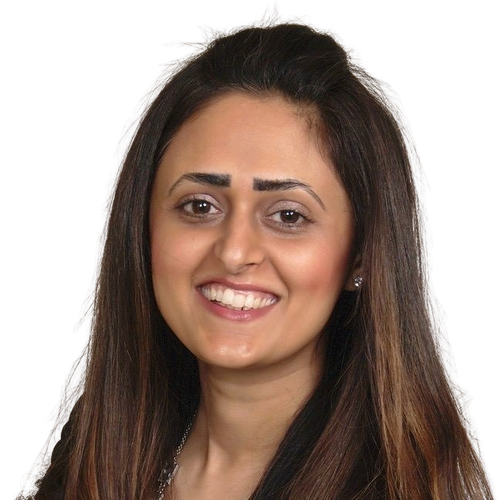 Sunayna TutejaFormer Chief Innovation OfficerFederal Reserve System
-
 Varun KapoorDirector, Digital Strategy Group (FSI)Adobe
-
 Dr. Zhao JingyuanHead, Group Data OfficeOCBC
-
 Prof. Heng WangProfessorSingapore Management UniversityModerator
-
 Kaitlyn ThinnChief Strategy OfficerGlobal Finance & Technology Network (GFTN)Moderator
About this session
Financial institutions are moving well beyond experimentation with AI, deploying it across credit decisioning, fraud detection, and everyday employee workflows at genuine scale. But how they get there differs sharply: some are building their own foundation models on proprietary data to avoid depending on external providers with their most sensitive information; others adopt commercial AI tools but wrap them in anonymization and strict governance before sensitive data reaches them; and some capital allocators are treating AI infrastructure itself — compute, data centres, foundation models — as a strategic asset worth direct ownership.
Regulation is catching up fast and unevenly, with major regimes now treating data location and third-party AI access as a risk to be supervised, not just a technology choice. Given the different AI strategies already in motion, what would it actually take to make them auditable and defensible across jurisdictions?
-
-
10:00–11:30amMon 16 NovPublic-Private RoundtableRoundtable Room 3Open
Preparing Finance for the Quantum Era
Preparing for the Quantum Advantage: Lessons Learnt from Early Experimentation and Pilots
-
 Dr. Amelia TanHead, QuantumST Engineering
-
 Dr. Angelina FrankHead of Science & Technology APACQAI Ventures
-
 Caro DeanDirector of CommercialOxford Quantum Circuits
-
 Dr. Dimitrios AthanasakosQuantum Computing Research ScientistHSBC
-
 Julian TanHead of Quantum Enterprise (ASEAN/India)IBM
-
 Dr. Patrick RebentrostPrincipal InvestigatorCentre for Quantum Technologies
-
 Peter KohHead, Group Technology ArchitectureOCBC Bank
-
 Shir LichtigDirector, Government & Strategic AccountsClassiq
-
 Dr. Sua Yong MengChief Technology OfficerQuantum Computing Inc.
-
 Dr. Tommaso DemarieChief Executive OfficerEntropica Labs
-
 Dr. Whei Yeap SuenLead Technical SolutionsQuantinuum
-
 Dr. Andrzej GwizdalskiCo-founder & Chairman, Western Australia Web3 Association; Researcher, UWA & Director, GFTNModerator
-
 Charlie MarkhamTechnical Specialist, Emerging Tech & ResearchFinancial Conduct AuthorityModerator
About this session
Quantum computing's impact on financial services is beginning to expand beyond its initial focus on security implications to early experimentation and pilots for potential use-cases, from portfolio optimization to risk management and derivative pricing. Early pilots have demonstrated real value, but the timeline for live deployments remains in the horizon, raising a difficult question: are institutions building use-cases before the technology is mature enough to justify it or is this early investment what makes tomorrow's readiness possible?
The work so far has also relied on open collaboration between banks, regulators, and technology providers, but as quantum applications start to carry real commercial value, that openness gets harder to sustain. This session looks at what these early efforts have actually taught the industry — what worked, what didn't, and what the next phase of experimentation should prioritize as the window for open collaboration closes.
The session will explore questions such as:
1. Is developing use-cases now premature given how immature the technology still is, or is that the only way real readiness gets built?
2. Should current funding prioritize talent pipelines over experimentation, or do the two need to grow together?
3. As quantum applications become commercially valuable, what keeps competitors willing to keep collaborating?
4. What would genuinely long-term, system-wide collaborative action look like beyond individual pilots? -
-
10:15–11:45amMon 16 NovPublic-Private RoundtableRoundtable Room 4Open
Shaping Tomorrow's Innovation
From Policy to Purchase: What Will It Take to Make National Green (100) Procurement Work?
-
 Lim Tuang LiangGovernment Chief Sustainability OfficerMinistry of Sustainability & Environment
-
 Hu ChingHead, Net Zero Transition Programme OfficeSingapore Business Federation
-
 Bayu Hartanto SantosaProcurement Sustainability & Trust Transformation LeaderSchneider Electric
-
 Eva LeeSenior Manager, Sustainability DevelopmentBureau Veritas
-
 Guojian OuDVP, SustainabilitySingapore Post
-
 Ian GanVP Industry & EngagementSACEOS
-
 Jeremy JaydenAssistant Director, ProcurementMillennium Hotels & Resorts
-
 Johnny GaoAssistant Vice President, SustainabilityThe Ascott Limited
-
 Dr Ooi Shu Geok LouisChief Executive OfficerLMS COMPLIANCE LTD
-
 Ross GreenHead of Business Development & Commercial ManagementC&W Services
-
 Cherine FokPartner, ESG Consulting & Partner-in-Charge, Our Impact PlanKPMGModerator
About this session
Procurement is one of the clearest mechanisms for transforming sustainability performance into commercial advantage, but today that signal remains fragmented. Public and private sector buyers are beginning to incorporate sustainability into purchasing decisions, yet suppliers still face differing expectations, uneven incentives and limited visibility on how their sustainability performance matters in securing business opportunities. In Singapore, the Green 100 National Movement, launched by the Council for a Competitive Climate Transition (C3T), presents a timely opportunity to bring these efforts into greater alignment - connecting market demand with policy frameworks to strengthen the business case for sustainability across Singapore’s supply chains.
This session will bring together senior policymakers and industry procurement leaders to shape the next phase of sustainable procurement in Singapore. With upcoming developments on the horizon, the roundtable offers an early look at how the landscape could evolve - examining how public and private sector approaches can reinforce one another, where greater alignment can unlock value for suppliers, and what it will take to scale sustainable procurement nationwide. -
-
11:00am–12:00pmMon 16 NovWorkshopWorkshop Room 3Open
The Scaling Challenge in Tokenized Markets
The Myth of Borderless Finance - Powered by Airwallex
-
 Jessica RenierManaging Director & Head of Digital FinanceInstitute of International Finance (IIF)
-
 Tin Pei LingCo-PresidentAlpha Ladder Group & MetaComp
-
Peter KerstensAdvisor, DG FISMAEuropean Commission
-
 Arnold ChanGeneral Manager, APACAirwallexModerator
About this session
Technology can move money across borders, but can finance ever be truly borderless?
Globalisation and technology have promised more connected markets. Yet national priorities, different regulatory requirements and risks enabled by AI continue to complicate cross-border finance. As money becomes programmable and AI agents take on a greater role in financial transactions, how can innovation work across borders while respecting local rules?
This session will explore the frameworks needed to connect financial systems in a fragmented global economy. Discussion will focus on common standards, identity verification, and ways to build compliance requirements into programmable transactions, while preserving financial stability and national sovereignty.
Participants will gain a clearer understanding of the barriers technology alone cannot resolve, and the coordination needed to make cross-border finance more connected, trusted, and resilient.
-
-
11:00–11:20amMon 16 NovWorkshopWorkshop 2, Sands Expo & Convention Centre, Level 5Open
Others
How to Crowdsource Regulatory Standard Setting: An Intro to the Fintech Regulatory Futures Index
-
 Prof. Chris BrummerChief Executive OfficerFintech Foundation
-
 Prof. Douglas ArnerKerry Holdings Professor in LawThe University of Hong Kong
About this session
Join Chris Brummer, Douglas Arner and GFTN for a demo of the new Fintech Regulatory Futures Index (FRFI). The FRFI has been developed over the past 8 months by the Fintech Foundation and GFTN, bringing together a group of leading policy experts from across the world.
-
-
11:30am–1:00pmMon 16 NovPublic-Private RoundtableRoundtable Room 1Open
Global Frameworks and Shared Best Practices in Payments Chains
From Convergence to Connectivity: Shared Rails & Shared Responsibility
-
 Adeline KimGroup Country Manager, Regional Southeast Asia & SVP, Global Clients, Asia PacificVisa
-
 Derek ChanChief Executive OfficerSingapore Payments Network (SPaN)
-
 Edward YueGeneral ManagerANT International
-
 Julianne HengRegional Head of PaymentsGrab
-
 Lawrence ChanGroup Chief Executive OfficerNetwork for Electronic Transfers (Singapore)
-
 Qaiser AnwarudinDirector, Payment Services Policy DepartmentBank Negara Malaysia
-
 Ryosuke UshidaDirector for International Policy, International Affairs DivisionFinancial Services Agency of Japan (JFSA)
-
 Tingli BongDirector - Market Engagement, ASEANSwift
-
 Jo YeoDirectorMonetary Authority of SingaporeModerator
About this session
As payment networks become increasingly interconnected, the challenge is no longer whether they can connect, but how they coordinate. At the Point Zero Forum 2026 roundtable, leaders from payment networks, central banks and regulators converged on a common principle: compete at the customer experience layer, collaborate on the standards and infrastructure beneath it.
But connectivity creates new questions. As instant payment systems, card networks, wallets and emerging digital money platforms become part of a growing "network of networks", who manages shared risks, aligns incentives and coordinates the rules that keep the ecosystem open, resilient and innovative?
This roundtable will bring together global payments leaders to explore the governance, economics and architecture of the next generation of integrated payment networks, and what it will take to build a truly connected global payments landscape.
-
-
11:30am–1:00pmMon 16 NovLaunchpadLaunchpad RoomOpen
Preparing Finance for the Quantum Era
Be Quantum Secured: Turning Guidelines into Action for the Future of Finance - Powered by ST Engineering
-
 Dr. Andy XiaChief Executive OfficerMatriQ
-
 Dr. Marvin LeeCountry Leader - SingaporeQuantinuum
-
 Dr. Shiang Long LeeGroup Chief Technology OfficerST Engineering
-
 Wong Cheng NgaiHead of Architecture, Enterprise DigitalST Engineering
-
 Per NybergChief Commercial OfficerORCA Computing Ltd
-
 Eugene WeeVP, Technology Office, GTOST EngineeringModerator
About this session
ST Engineering is launching its Quantum Technology Research Translation programme, bringing together industry partners and leading researchers from Institutes of Higher Learning and research institutions to accelerate the translation of quantum research into commercially relevant solutions.
In this workshop, ST Engineering explores how its Quantum and AI (QAI) capabilities help banks, insurers and financial services firms prepare for developments in quantum technology. Through practical use cases, we will show how QAI is being applied across the sector’s most pressing priorities: post-quantum cybersecurity, quantum-enabled fraud detection, derivatives pricing, portfolio and risk optimisation and zero-day cyber threat detection.
The session will also introduce Quantizant, ST Engineering’s solution to help financial institutions assess their exposure, plan their migration, and build resilience for the post-quantum era. We close with a look ahead at emerging frontiers, including quantum machine learning and next-generation computing infrastructure, and what they mean for the future of finance.
The quantum era will reward those who prepare early. By bringing together cutting-edge research, ST Engineering’s engineering capabilities and real-world applications, ST Engineering is helping financial institutions strengthen cyber resilience, unlock new approaches to complex financial computation and optimisation, and turn the risks of the quantum era into a competitive advantage.
.
11:30am - 11:45am
Welcome and Overview of Quantum and Al Capability Development in ST Engineering
Speaker: Dr. Lee Shiang Long, GCTO, ST Engineering
11:45am – 11:55am
Launch of Research Translation @ST Engineering for Quantum Technology
11:55am – 12:10pm
Quantizant - Securing Enterprises for the Post-Quantum Era
Speaker: Wong Cheng Ngai, Head of Architecture, Enterprise Digital
12:10pm – 12:25pm
QAI Platform for Finance Derivatives Pricing
Speaker: Dr Marvin Lee, Country Leader, Quantinuum
12:25pm–12:40pm
Fraud Detection Using Quantum Computing & Future Quantum-Enabled Data Centre
Speaker: Andy Xia, CEO, MatriQ
12:40pm–12:55pm
Quantum Machine Learning for Cyber Threats Detection using ORCA Photonics Computing Platform
Speaker: Richard Murray, CEO, ORCA
-
-
11:45am–1:15pmMon 16 NovPublic-Private RoundtableRoundtable Room 2Open
Accountability & Liability In Agentic Systems
Agentic Commerce: Pathways to Closing the Trust Gap
-
 Amy LeeHead of Fintech HubBank of England
-
 Bryan ZhangExecutive Chair, Financial Innovation for Impact; Executive Director, Cambridge Centre for Alternative FinanceUniversity of Cambridge
-
 Carrie SuenVice President, Head of Global Affairs & Strategic DevelopmentAnt International
-
 Giuliano Benjamin ClarkHead of Product, Agentic PaymentsAmazon
-
 Ivan Mortimer-SchuttsGlobal Head of vLEIGlobal Legal Entity Identifier Foundation (GLEIF)
-
 Jeremy GoroHead of Financial Services Strategy & Partnerships, EMEAGoogle
-
 Jonah CraneHead of Global Regulatory & Policy StrategyStripe
-
Louise JohnstonDigital Assets & Blockchain, Global PolicyMastercard
-
Nicole SandlerChief Ecosystem OfficerUbyx Inc
-
 Prateek SanghiSenior Vice President & Head Visa Consulting & Analytics, Asia PacificVisa
-
 Venus LeungHead of Business AML, APACBanking Circle
-
 Winnie YapManaging Director, Head of Global Payments Solutions SingaporeHSBC
-
Simran SinghAI Lab LeadFinancial Conduct Authority (FCA)Moderator
About this session
Agentic commerce moved from feature to production in barely eighteen months - from AI-assisted purchasing in early 2025 to the first production-grade agentic transaction run on full banking rails in June 2026. But the infrastructure underneath is still fragmented: at least half a dozen competing protocols govern identity, authorization, and payment - and the platforms actually processing agent transactions haven't converged on any of them.
From the standards that can bind an agent to accountable identity, the platforms that process its transactions, and the frameworks that would assign liability when one goes wrong, this roundtable convenes financial institutions, payment processors, standard-setting bodies, and compliance and enforcement bodies to discuss what each party would need to adopt, require, or share to close the trust gap, and on what timeline.
The discussion will use concrete examples to test and refine trust principles for agentic commerce, including what evidence would demonstrate them in practice, what should be tested or benchmarked before an agent is trusted to transact, and what different actors would need to recognise across protocols and jurisdictions.
-
-
12:00–1:30pmMon 16 NovPublic-Private RoundtableRoundtable Room 3Open
Accountability & Liability In Agentic Systems
Financial AI Builders: Scaling Innovation in Regulated Markets
-
 David TanChief Data OfficerIncome Insurance
-
 Deep ThomasChief Data & Analytics Officer, APACJPMorganChase
-
 Jessie SawHead of Product Management, Global Payments SolutionHSBC
-
 Lee Wan SieCluster Director (AI Governance & Safety), IMDA; Executive Director, AI Verify Foundation & Head of Policy, AI Safety Institute
-
 Mark CzajkowskiChief AI and Data Officer, AsiaManulife
-
 Matthew SeeRegional Head, Risk & Business AnalyticsDBS Bank
-
 Maxim AfanasyevJAPAC FSI HeadGoogle Cloud
-
 Mike HsuFormer Acting Comptroller of the CurrencyMLCommons
-
 Richard LoweMD, Chief Data & Analytics Officer, APACSMBC
-
 Dr. Rick GohResearch DirectorA*STAR IAIC
-
 Rochelle ChuaHead of COO Controls, AsiaCiti
-
 Suryakant NayakHead of Data AsiaJulius Baer
-
 Yip Shue HengManaging Director, Head of Asia Digital StrategyMUFG Bank, Ltd.
-
 Alan LimDirector & Head, Financial Infrastructure & Artificial Intelligence OfficeMonetary Authority of SingaporeModerator
About this session
The next phase of AI in finance will not be defined by better models alone, but by institutions that can successfully embed AI into regulated business processes at scale. From compliance and risk management to customer servicing and agentic finance, AI is creating new opportunities to transform how financial services are designed, delivered and supervised. As institutions explore frontier AI capabilities, the challenge is no longer just building AI solutions, but operationalising them responsibly while maintaining trust, resilience and accountability.
Many financial institutions face similar challenges in developing, evaluating and deploying AI, yet often tackle them independently. Through BuildFin.ai, financial institutions, technology providers and research institutes are collaborating to develop and scale frontier AI capabilities within established regulatory and risk management frameworks. This includes the development of the MindForge AI Risk Management Toolkit, which provides practical guidance, industry case studies and implementation insights, as well as the SAFR (Safeguards for Agentic Finance at Runtime) framework, which explores safeguards for AI-enabled financial activities. This roundtable brings together members of the BuildFin.ai community and industry leaders to exchange lessons from the front lines of AI deployment and discuss how collaboration can help accelerate the responsible adoption of AI across financial services. -
-
12:00–1:30pmMon 16 NovBoardroomBoardroom 1Invite-Only
Others
[Invite-only] The Cost of Standing Still: The Risk of Legacy Architecture in the Era of AI & Tokenized Finance - Powered by Thought Machine
-
 Mark RydqvistChief Revenue OfficerThought MachineModerator
-
 Navin SuriManaging Director, Private Sector SolutionsGlobal Finance & Technology Network (GFTN)Moderator
About this session
In enterprise banking, "wait and see" is no longer a safe option. While modern challengers move ever-faster to set new standards for customer experience, banks tied to legacy core systems face a growing drag on scaling AI beyond initial pilots, accepting tokenised assets, getting new products to market and back-office efficiency. With expectations rapidly shifting toward agentic, 24/7 banking, core engines built around overnight batch processing struggle to keep pace.
This closed-door session brings together CIOs, COOs, and Product Leaders to talk candidly about changing customer expectations, the costs of inertia and, practical strategies for low-risk modernisation.
-
-
12:00–2:00pmMon 16 NovSide EventInsights ExchangeOpen
-
12:15–1:45pmMon 16 NovPublic-Private RoundtableRoundtable Room 4Open
Shaping Tomorrow's Innovation
Connecting the Capital Stack: Financing Climate Innovation from First Risk to Scale
-
 Abby HoDirector, Impact Investment / Energy AccessTRIREC
-
 Andy SanManaging DirectorCCX Green Finance International Limited
-
 Huib-Jan de RuitjerCo-Chief Investment Officer, Member of the Management BoardFMO
-
 Jonathan HannamManaging DirectorTaronga Group
-
 Marie CheongFounding Partner100x100
-
 Mervyn TangInvestment Director, Global Equities & Head of Sustainability, APACSchroders
-
 Mervin TeoPartnerFullerton Fund Management
-
 Priya BellinoHead of Sustainability Solutions Group APACSumitomo Mitsui Banking Corporation
-
 Sophia NgExecutive DirectorEnterprise Singapore
-
 Davina HoDirector (Interim), Investor PracticeAIGCCModerator
About this session
The ClimateTech financing conversation has moved beyond simply identifying where capital is underinvested. The challenge now is capital coordination, across asset classes, investment stages, and between public and private capital.
ClimateTech companies typically require more capital, longer commercialisation timelines, and longer paths to exit. Yet grants, venture equity, growth capital, credit, project finance and infrastructure capital operate with different mandates, risk appetites and time horizons, often with limited coordination between them.
This fragmentation creates challenges on both sides: founders face financing gaps as they move from innovation to scale, while investors may be asked to take risks or accept timelines that do not fit their mandates.
The roundtable will examine where these disconnects occur and how stronger capital coordination and public-private coordination can create better conditions for both ClimateTech companies seeking to scale and investors seeking sustainable risk-adjusted returns.
-
-
12:30–1:30pmMon 16 NovWorkshopWorkshop Room 3Open
The Scaling Challenge in Tokenized MarketsGlobal Frameworks and Shared Best Practices in Payments Chains
Moving Beyond 24x7 Payments: Seamless Always-On Interbank Settlement - Powered by Partior
-
 Bud NovinHead of DiSHLSEG
-
 Naveen MallelaGlobal Head of PaymentsStandard Chartered Bank
-
 Rachel WhelanManaging Director, APAC & MEA Head of Corporate Cash Management & Global Head of Payments & TFX Product MgmtDeutsche Bank
-
 Humphrey ValenbrederChief Executive OfficerPartiorModerator
About this session
Instant payment rails have improved payment speeds. The harder constraint now sits behind them. Intraday liquidity is still trapped in pre-funded nostro accounts. Repo and FX swap activity is still bound by cut-off times and business-day calendars. Treasurers still hold costly buffers against periods when markets are closed. As tokenised assets and continuous trading scale, markets will need more than 24x7 payments. They will need always-on interbank settlement and liquidity.
Drawing on the LSEG Digital Settlement House (DiSH) and Partior partnership, this workshop brings together a market infrastructure provider, global banks and an interbank settlement network to explore what it will take:
- Settling across banks and currencies: How can real-time, multi-bank settlement with shared rules on finality work across currencies and time zones?
- Managing settlement liquidity around the clock: How can banks fund and rebalance the liquidity they need to settle payments at any hour, and can intraday repo and FX swaps extend beyond today’s cut-offs to support it?
- Releasing trapped liquidity: How much pre-funding could banks free up, and what would that mean for balance sheet and capital decisions?
- Moving from pilot to scale: What operating, risk and regulatory conditions must be met before treasurers, boards and supervisors are comfortable with banks relying on this outside business hours?
Participants will leave with a clear view of what is live today, what remains in pilot, and the decisions institutions should make now to prepare for markets that never close. Treasury, markets and payments leaders are invited to bring their own questions to the discussion.
-
-
12:30–1:30pmMon 16 NovWorkshopWorkshop Room 2Open
Accountability & Liability In Agentic SystemsThe Scaling Challenge in Tokenized Markets
Financial Compliance at Scale in the Age of Tokenisation & AI - Powered by Taxbit
-
 Antonio Alvarez LorenzoDeputy Chief Compliance OfficerBinance
-
 Lindsey ArgalasChief Executive OfficerTaxbit
-
 Michele ChenClient TaxUOB
-
 Dr. Max BerntInternational Managing DirectorTaxbitModerator
About this session
As financial institutions, digital asset platforms and payment providers expand into tokenised finance, stablecoins and AI-enabled services, compliance teams face two connected challenges: supporting new business models and improving how they work. This workshop explores intelligent compliance in practice: how better-connected data, automation and AI can help institutions manage that change while retaining clear controls and human accountability.
Bringing together perspectives from Taxbit, UOB and Binance, the session will connect emerging financial use cases with the workflows behind them. The presentation and panel will explore how customer and transaction data move through onboarding, due diligence, monitoring and reporting, where teams can reuse information, and where separate judgements remain necessary.
The panel will examine where AI is already useful inside compliance teams, what remains experimental, and how to assess improvements in quality rather than speed alone. It will also address the constraints that shape adoption: data access, security, on-premise requirements and the decisions institutions are not ready to delegate. Through company perspectives and a practical customer journey, attendees will explore how to reduce manual handoffs, support reliable decisions and keep compliance processes working as products, customer circumstances and regulatory requirements change. Dedicated audience Q&A will follow.
-
-
1:00–3:00pmMon 16 NovDesign ThinkingDesign Thinking RoomOpen
Global Frameworks and Shared Best Practices in Payments Chains
Scaling Real-Time Payments: Adoption, Commercial Innovation and the Economics of Inclusion - Powered by Gates Foundation
-
 Afgan AbbasovDirector, Payment Systems & Products DevelopmentCentral Bank of the Republic of Azerbaijan
-
Blaise Pascal GasabiraChief Executive OfficerRswitch Ltd
-
 Chek-Tchung FooDirector, Regulation & PolicyGlobal Finance & Technology Network (GFTN)
-
 Clara B. ArthurChief ExecutiveGhana Interbank Payment & Settlement Systems (GhIPSS)
-
 Dr. Guerino ArdizziDeputy Head of the Analysis & Database Division (Retail Payment Instruments & Services Directorate)Banca d'Italia
-
Jean Bosco IyacuChief Executive OfficerMojaloop Foundation
-
 Jeremy TanFounder & Chief Executive OfficerLiquid Group Pte Ltd
-
 John MukonoChief Executive OfficerKenswitch
-
 Kenn LisudzaChief Product OfficerIntegrated Payment Services Ltd (IPSL)
-
 Kosta PericDeputy Director, Inclusive Financial SystemsGates Foundation
-
Kushal BalluckSenior Manager, FMI Innovation & Payments PolicyBank of England
-
May LohCo-Lead, East Asia & Pacific PracticeDGA - Albright Stonebridge Group
-
Owureku AsareDirector, FinTech & InnovationBank of Ghana
-
 Prajit NanuFounder & Chief Executive OfficerNIUM
-
 Dr. Peter RobejsekExecutive Vice PresidentMastercard
-
 Rene MichauGlobal Head, Digital Asset AdvisoryStandard Chartered
-
Steve HaleyGlobal Director, Mojaloop EcosystemMojaloop Foundation
-
 Pat PatelManaging Director, ForumsGlobal Finance & Technology Network (GFTN)Moderator
About this session
Real-time payments have moved from being a payments innovation to becoming critical national infrastructure. Yet building the rails is only the beginning: the next challenge is driving adoption, reaching critical mass and creating sustainable commercial value while ensuring that the system continues to advance financial inclusion. Across markets, governments, central banks and industry are pursuing new features and use cases — from Request-to-Pay and merchant payments to cross-border interoperability, digital identity, government disbursements and embedded financial services — each with the potential to accelerate usage and unlock new revenue opportunities. This session brings together leaders from different national systems to share their roadmaps, adoption strategies, commercial models, successes and lessons learned, exploring what it takes to move from national payment infrastructure to a widely adopted platform for inclusive economic growth. Insights from the discussion will contribute to a global body of work identifying the principles, innovations and commercial models that can help countries scale real-time payments without losing sight of their inclusion mandate.
-
-
1:30–3:00pmMon 16 NovPublic-Private RoundtableRoundtable Room 1Open
Global Frameworks and Shared Best Practices in Payments Chains
Bilateral Linkages, Shared Multilateral Hubs, or Tokenized Instruments: Pathways to Improving Cross-Border Payments Connectivity
-
 Andrew McCormackChief Executive OfficerNexus Global Payments
-
 Beata SivakHead of Policy and Government Affairs - EMEA & APACPayward - Kraken
-
 Chen LiGeneral CounselRedotPay
-
 Kelvin LiSenior Vice PresidentAnt International
-
 Khai Uy PhamAdvisor, Lead – Cross-Border Digital Currency & Payments InitiativesBanque de France
-
 Lucy InghamVice President of ResearchFXC Intelligence
-
 Matilda Asante-AsieduSecond Deputy GovernorBank of Ghana
-
 Mike TruterHead of Industry EngagementSwift
-
 Pedro ArntChief Executive OfficerdLocal
-
Tang WeiHead of Public Policy, Southeast Asia & ChinaStripe
-
 Dr. Tara RiceHead of Secretariat, Committee on Payments & Market InfrastructuresBank for International Settlements (BIS)
-
 Wenhui YangChief Executive Officer, TenPay Global Singapore & General Manager, Tencent Financial Technology, Asia PacificTencent
-
 Lara DouglasDirector of ImplementationFinancial Stability BoardModerator
About this session
Instant domestic payment systems already work and several countries have linked theirs bilaterally, cutting cross-border transfers from days to seconds at a fraction of the cost. But each new bilateral link involves its own negotiation, and multilateral alternatives have yet to go fully live.
Meanwhile, the G20's own 2027 targets for cost and transparency in cross-border payments are, on current trajectory, likely to be missed. The persistent blocker often isn't the payment rail at all, but mismatched technical requirements between jurisdictions that add friction regardless of which technology carries the transaction. What would it actually take to move from a growing patchwork of bilateral links to something that scales – or will the growing adoption of tokenized instruments for cross-border payments render these efforts obsolete?
This session explores the multiple pathways to achieving greater cross-border payments connectivity, from shared multilateral hubs, scaling up bilateral linkages, tokenized instruments, and alternative approaches developed by FinTechs to scaling instant cross-border payments connectivity. Participants will discuss the technical and commercial barriers to scaling instant payments connectivity; identify why current models have yet to deliver the G20 targets; discuss whether the KPIs themselves need redesigning to better capture end-user outcomes; explore the role of tokenized instruments as an alternative approach to solving the cross-border challenge; and determine the viable approaches to greater payments connectivity.
Insights from this discussion will help inform the Financial Stability Board (FSB) as it considers priorities for enhancing cross-border payments beyond 2027.
-
-
1:30–3:30pmMon 16 NovLaunchpadLaunchpad RoomOpen
The Scaling Challenge in Tokenized Markets
In the Spotlight: Institutional Digital Assets
-
 Angela AngManaging Director, Asia-PacificBitGo
-
 Bernice NeoBusiness Development APACTaxbit
-
 Caroline BowlerHead of Digital Assets, GTSWestpac
-
 Dharani KishoreHead of Product, APACNethermind
-
 Emma LandriaultGlobal Head of Kinexys Labs & JPM CoinKinexys by J.P. Morgan
-
Jael TanHead of Government ProgrammesGlobal Finance & Technology Network (GFTN)
-
 Lily KingChief Operating OfficerCobo
-
 Luke BolandGlobal Head, Fintech, Client CoverageStandard Chartered Bank Singapore Limited
-
 Lu YinHead of APACSolana Foundation
-
 Moses LeeHead of APACAnchorage Digital
-
 Patrick SzeChief Technology OfficerGreen Link Digital Bank
-
 Ziqing AngHead of Policy, APACTRM Labs
-
 Vanessa HoSenior LeadGlobal Finance & Technology Network (GFTN)Moderator
About this session
A 2-hour curated session on what it now takes to run digital assets at institutional scale. Across custody, compliance, infrastructure and execution, four firms building the regulated plumbing of digital finance will show what has shipped in the last twelve months and what institutions should be asking of their counterparties as a result.
Rather than debate whether institutional adoption is coming, the session works through the four layers it depends on: where assets are held, how identity and money are kept clean, which rails can carry regulated activity, and how all of it reaches the trading desk. Each segment is anchored in live deployments rather than roadmaps.
1:30pm - 1:45pm
Welcome & GFTN Opening Remarks
Speaker: Vanessa Ho, Senior Lead, Global Finance & Technology Network (GFTN), Jael Tan, Head of Government Programmes, Global Finance & Technology Network (GFTN)
.
1:45pm - 2:10pm
Keynote: When Crime Runs on AI: What Institutional Digital Asset Compliance Now Requires - Powered by TRM Labs
TRM Labs' AI-in-Crime Adoption Index rose from 28 to 54 between 2024 and 2026, and deepfake-driven scam losses this year have already exceeded all of 2025 by 263% — while synthetic identity documents, real-time face-swap and voice cloning are routinely defeating the liveness and verification controls institutions rely on at onboarding. This fireside examines what that means for AML/CFT programmes built for a pre-AI threat model: where controls are failing, which typologies have actually matured versus which are still nascent, and separately, how compliance functions are deploying AI on the defence side without losing the explainability a regulator or a court will demand. Ziqing Ang, Head of Policy for APAC at TRM Labs and a former Monetary Authority of Singapore official unpacks the tools custodians, issuers and liquidity counterparties are deploying to fight back — including the question few institutions are asking yet: can you evidence how your model reached that decision?
Speaker(s): Ziqing Ang, Head of Policy APAC, TRM Labs
.
2:10pm - 2:35pm
Panel: Stablecoins as Bank Products: How Banks Are Going On-Chain - Powered by Anchorage Digital
Banks continue to depend on US dollar settlement that halts at cut-off times, traps pre-funded liquidity in nostro accounts and takes days to reach finality. Stablecoins on public blockchains offer open, 24/7 interoperability, primary liquidity direct from the issuer and a shared settlement layer that any counterparty can reach. Drawing on Anchorage Digital’s stablecoin correspondent banking programme and its pilot participation in MAS’s Project BLOOM, this panel examines how banks are using a stablecoin issued by a federally regulated bank as the USD leg for real-time inter-bank and cross-border settlement, the prudential and operational questions risk and treasury teams should be asking, and why upgrading settlement corridors through modular, parallel deployments alongside existing rails is the practical path forward.
Speaker(s): Lu Yin, Head of APAC, Solana Foundation, Patrick Sze, Chief Technology Officer, Green Link Digital Bank Pte. Ltd., Luke Boland, Global Head, Fintech, Client Coverage, Standard Chartered Bank, Moses Lee, Head of APAC, Anchorage Digital (Moderator)
.
2:35pm - 3pm
Panel: What It Takes: Does Ethereum Meet the Requirements of a Regulated Financial Institution? - Powered by Nethermind
Regulation applies to institutions and to how they treat assets. So, what does it take for public Ethereum to become infrastructure that a regulated financial institution can rely on? This session looks at who is responsible for the asset, the infrastructure, and the institution. It covers how Ethereum’s risk surface differs from cloud, and what changed to make institutions take it seriously. It also explores how to extend controls, compliance, privacy and reporting beyond the application layer, and busts common myths about who earns value from an Ethereum transaction.
Speaker(s): Caroline Bowler, Head of Digital Assets, GTS, Westpac, Emma Landriault, Global Head of Kinexys Labs & JPM Coin, Kinexys by J.P. Morgan, Dharani Kishore, Head of Product, APAC, Nethermind (Moderator)
.
3pm - 3:25pm
Panel: Beyond Trading: The Next Chapter for Stablecoins
Stablecoin supply has reached record highs, and institutions are asking new questions. They no longer ask whether stablecoins matter. They ask where stablecoins beat existing rails and what it takes to use them safely at scale. Leaders from two of the industry’s major institutional infrastructure providers go through the use cases that are working today: cross-border B2B payments, 24/7 treasury management, on-chain collateral, and settlement for tokenised assets. They also cover what still holds adoption back and what has to change for stablecoins to become everyday financial plumbing.
Speaker(s): Angela Ang, Managing Director, Asia-Pacific, BitGo, Lily King, Chief Operating Officer, Cobo, Bernice Neo, Business Development, APAC, Taxbit (Moderator)
.
3:25pm - 3:30pm
Closing
-
-
2:00–3:30pmMon 16 NovPublic-Private RoundtableRoundtable Room 3Open
The Scaling Challenge in Tokenized Markets
GL1 Dialogue: Infrastructure for a Programmable Financial System
-
 Audrey MetzgerDirector of Innovation & Financial Market InfrastructuresBanque de France
-
 Danny RussellHead of Payment Innovation Product and TechnologyBank of England
-
 David KatzVice President for Strategy & Public Policy, Asia PacificCircle
-
 Esme PauHead of Capital Markets & PolicyCertiK
-
 Hassan AhmedCountry Director, SingaporeCoinbase
-
 Holger NeuhausHead of Market Innovation & Integration, Design Manager for TokenisationEuropean Central Bank
-
 John O'NeillManaging Director, Digital Assets & Currencies, CIBHSBC
-
 Masashi WatanabeManaging Director, Head of Digital AssetsMUFG Bank, Ltd.
-
Naveen MallelaGlobal Head of PaymentsStandard Chartered Bank
-
 Paull RandtDeputy Director, International Financial MarketsU.S. Department of the Treasury
-
 Peiying ChuaPartner, Asia Head of Fintech, Head of Singapore Financial RegulationLinklaters
-
Sonja DavidovicSenior Digital Expert on Transformative TechnologyInternational Monetary Fund
-
 Stephanie CabossiorasChief Strategy & Global Policy OfficerSociete Generale-FORGE
-
Toh Wee KeeGlobal Head of InsightsKinexys by J.P. Morgan
-
Alan LimDirector & Head, Financial Infrastructure & Artificial Intelligence OfficeMonetary Authority of SingaporeModerator
About this session
Global Layer One (GL1) has brought together policymakers, financial institutions and infrastructure providers to advance an ecosystem of open, interoperable and trusted digital infrastructures. This collaboration has produced practical outputs such as the Programmable Compliance Toolkit, which provides a common approach to implementing compliance across tokenized asset systems, and the Market Infrastructure Toolkit, which is already being used by market infrastructure providers to assess and demonstrate alignment with internationally recognised standards and risk management principles.
This roundtable convenes the GL1 community to share experiences from adopting and applying these toolkits, including practical implementation lessons and considerations for broader adoption. Participants will also look ahead to how this work can be extended to support new use cases and capabilities as the industry progresses towards a programmable financial system.
-
-
2:00–3:30pmMon 16 NovBoardroomBoardroom 1Invite-Only
Others
[Invite-only] From Signals to Relationships: Re-imagining HNW Acquisition and Family Coverage - Powered by Salesforce
-
Kaitlyn ThinnChief Strategy OfficerGlobal Finance & Technology Network (GFTN)Moderator
-
 Kushal BhomickRegional Vice PresidentSalesforceModerator
About this session
Asia’s wealth is moving to a more digitally fluent generation of clients who research, compare and engage long before they meet a relationship manager. For private banks and wealth managers, the question is not whether digital channels matter, but how to turn scattered signals into qualified opportunities and enduring family relationships without compromising trust, suitability or discretion.
This closed-door Boardroom will convene senior leaders from private banking, wealth management, family offices and digital transformation to examine the emerging HNW growth model: data-led acquisition, AI-assisted qualification and household-level coverage. The discussion will focus on the practical operating choices required to connect marketing, relationship managers and product specialists around a single view of the client and family.
-
-
2:00–3:30pmMon 16 NovBoardroomBoardroom 2Invite-Only
Others
[Invite-only] The Next Layer of Digital Finance: Stablecoins, Agentic Payments and Governance Across ASEAN - Powered by Tether
-
 Steve VallasChief Executive OfficerBlockchain APACModerator
-
 Yong Sheng LeHead of AsiaDigital Currencies Governance Group (DCGG)Moderator
About this session
ASEAN sits at an inflection point in digital financial infrastructure. Domestic instant payment rails have matured and are, to a significant extent, interoperable across borders. Stablecoin adoption - from native crypto-asset trading- would evolve to other use cases, such as B2B cross-border settlement, a liquidity settlement layer for tokenised products, and payments. AI agents are also moving from experimentation to execution across payment infrastructure, treasury operations, and consumer-facing financial service Central banks, financial regulators, and infrastructure providers across the region a convening on 3 areas: How should stablecoin oversight evolve beyond crypto-asset regimes towards other real-world use cases? How should agentic payments be treated alongside incumbent payment systems? What should be prepared? And what does responsible AI governance look like in practice?
-
-
2:00–3:00pmMon 16 NovWorkshopWorkshop Room 2Open
The Scaling Challenge in Tokenized MarketsSovereignty & Resilience in a Rewired Financial System
Ready for Take-off? De-risking Digital Money - Powered by Giesecke+Devrient
-
 Avanee GokhaleGlobal Head, Insights / Global Head, TradeSWIFT
-
 Howard DaviesChairman of the Supervisory BoardQivalis NV
-
 Karmela HoltgreveDeputy Head & Head of OperationsBIS Innovation Hub
-
 Polly BäumlerRegional Director Business Development, Digital CurrenciesGiesecke+Devrient
-
 Daniel NagyDirectorForefrontModerator
About this session
Digital money may be ready for take-off, but is the financial ecosystem ready to support it safely?
Moving from pilots to large-scale deployment takes more than working technology. New digital money systems must connect with existing payment and banking infrastructure, meet regulatory requirements and maintain trust without compromising financial stability.
This session will explore the risks and decisions involved in that transition:
- Connecting systems: How can emerging technologies work together and integrate with existing infrastructure?
- Maintaining stability and compliance: How can institutions modernise while meeting regulatory requirements and protecting financial and payment systems?
- Encouraging participation: What roles should stakeholders play, and what incentives will support lasting adoption?
- Protecting digital money: How can institutions address cyber risks, including threats from advances in quantum computing?
Attendees will gain practical perspectives on the safeguards, coordination and strategic choices needed to move digital money from pilot projects to wider deployment.
-
-
2:00–3:00pmMon 16 NovWorkshopWorkshop Room 3Open
The Scaling Challenge in Tokenized Markets
From Promise to Production: What It Takes to Bring Finance Onchain - Powered by Monad Foundation
-
 Aymeric SalleyHead of Digital Assets PlatformBanking Circle
-
 Daniel OonHead of EcosystemStraitsX
-
 Jan CamenischHead of ResearchCategory Labs
-
 Nick SnowGeneral CounselMonad Foundation
-
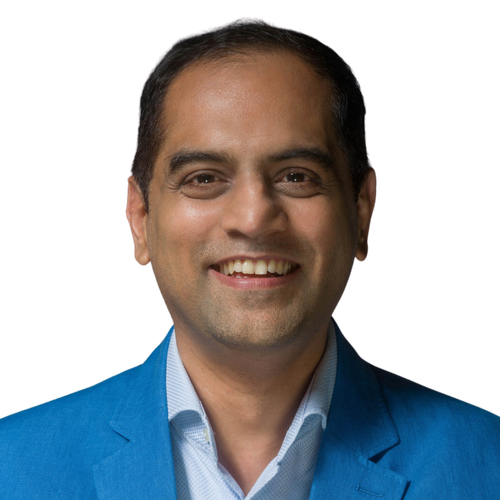 Nischint SanghaviHead of Digital Currencies, APVisa
-
 Tim WaySenior Director, Global BankingFireblocks
-
 Sagar SarbhaiHead of Institutions, APACMonad FoundationModerator
About this session
Public blockchains are fundamentally changing how financial markets operate, bringing money, assets, liquidity and settlement onto shared, programmable infrastructure. The opportunity? To create more open and fairer financial markets, with broader access to liquidity, more competitive pricing and better outcomes for participants.
But the ambition goes beyond moving existing financial products onchain. It's about creating productive economies where assets can be traded, financed and put to work across connected markets. Getting there requires more than speed and efficiency. Institutions need security, operational resilience, confidentiality, fair and predictable execution, and regulatory clarity, without sacrificing the openness and connectivity that make public blockchains valuable.
Bringing together leaders across finance, technology and policy, this programme explores what it takes to bring financial services onchain and build the infrastructure for open, connected global markets.
-
-
2:15–3:30pmMon 16 NovPublic-Private RoundtableRoundtable Room 4Open
Shaping Tomorrow's Innovation
Scaling AI-Enabled Financial Services: From Domestic Success to Global Growth
-
 Abhishek ChatterjeeFounder & ChairmanTookitaki Holding Pte. Ltd.
-
 Adam GagenGlobal Head of Government AffairsRevolut
-
 Agnès BastaertHead of Global Affairs & Strategic Development, EuropeAnt International
-
 Andrea BaronchelliCo-founder & Chief Executive OfficerAspire
-
 Edward BowlesGlobal Head of Government Relations & ESGWise
-
 Gregory VanChief Executive OfficerEndowus
-
 Mengfei GaoGlobal Head of Payment & Expansion PartnershipsStripe
-
 Visa KannanManaging PartnerSaison Capital
-
 Alvinder SinghHead, Innovation Acceleration OfficeMonetary Authority of SingaporeModerator
-
Colin PayneHead of InnovationFinancial Conduct Authority (FCA)Moderator
About this session
An exchange between founders, investors and regulators on how AI is reshaping business models, enabling cross-border growth, and influencing the funding and governance considerations of the next generation of FinTech scale-ups.
-
-
3:30–5:00pmMon 16 NovPublic-Private RoundtableRoundtable Room 1Open
The Scaling Challenge in Tokenized Markets
Connecting Tokenized Capital Markets
-
 Aaron SeabrookChief Operating OfficerMarketnode
-
 Andrea DoreGlobal Head of Treasury OperationsWorld Bank Group
-
Audrey MetzgerDirector of Innovation & Financial Market InfrastructuresBanque de France
-
 Gabriel CallsenSenior Director, Innovation & DigitalisationInternational Capital Market Association (ICMA)
-
 Gajia ParsonsVice President, Global Head of BankingCircle
-
 Magnus HaglindHead of Capital Markets TechnologyNasdaq
-
 Martin K. MüllerChairman of the Supervisory BoardRegulated Layer One
-
 Niki AriyasingheVice President, Asia-Pacific & Middle EastChainlink
-
 Samuel RileyChief Executive OfficerClearstream Securities Services, Clearstream Holding AG
-
 Selene ChongGlobal Head of Digital Assets, CIBHSBC
-
 Prof. Tālis PutniņšCo-Chief Executive Officer & Chief ScientistDFCRC
-
Tim WaySenior Director, Global BankingFireblocks
-
 Emma JoyceChief Revenue OfficerGlobal Blockchain Business Council (GBBC)Moderator
About this session
Tokenized bond and fund issuance is growing quickly, but secondary-market liquidity hasn't kept pace — largely because issuance still sits on separate, platform-specific systems that don't connect to each other.
Interoperability standards exist, but adoption remains voluntary, and what should carry the cash leg (stablecoins, tokenized deposits, or central bank money) is still unresolved. This session brings together issuance platforms, interoperability infrastructure, and standard-setters to discuss what it would take to converge on shared rails, so liquidity can catch up to issuance. -
-
3:30–4:30pmMon 16 NovWorkshopWorkshop Room 2Open
The Scaling Challenge in Tokenized Markets
Re-imagining Financial Innovation Through Digital Infrastructure - Powered by Kraken Payward
-
 Kevin KangCo-FounderReap by Payward
-
 Matthias Bauer-LanggartnerHead of Policy, EuropeChainalysis
-
 Wee Siang LeeExecutive Director (Paxos Digital Singapore), & Head of APAC CompliancePaxos
-
 Grace ChongHead of Financial RegulatoryDrew & Napier LLCModerator
About this session
The infrastructure underpinning payments, settlement and asset issuance is undergoing a significant upgrade. This Payward-led session examines how distributed ledger technology, asset tokenisation and 24/7 access to global markets are reshaping how financial institutions operate and access financial services.
Drawing on operational experience in regulated environments, the discussion will explore how industry participants and regulators can work together to manage systemic risk and ensure consumer protections in an increasingly global technology stack.
Participants will gain insights from market experts assessing how emerging infrastructure may change competition and regulation, and what these developments could mean for established institutions and new entrants.
-
-
3:30–4:30pmMon 16 NovWorkshopWorkshop Room 3Open
Accountability & Liability In Agentic Systems
Living with Legacy: Modernization Decisions that Matter for the Agentic Era - Powered by NTT DATA
-
 Koushik BhattacharjeDirector, Digital Core Services & Margin OptimizationNTT DATA
-
 Manu SareenChief Information Officer, Country Technology HeadCiti
-
 Pieter FrankenGroup Chief Technology OfficerGlobal Finance & Technology Network (GFTN)
-
 Suroop GopalakrishnanExecutive Head – Services Sales & Client Success, Asia PacificNTT DATA
-
 Prabin GopalExecutive Director, FSI Consulting – AdvisoryNTT DATAModerator
About this session
As AI and agentic technologies reshape banking and financial services, institutions face increasingly complex decisions across their legacy application estates. What should be retained, renovated, or replaced? Where will modernization create the greatest value? And how can institutions move forward without compromising resilience or business continuity?
Join NTT DATA’s modernization leaders for an interactive workshop exploring three critical decision points: Assess & Strategize, Prepare & Platform, and Deploy & Cut Over.
The discussion will examine how institutions can better understand their existing systems, prioritize modernization investments, address security, governance and platform-readiness gaps, and manage transition risks while protecting business continuity.
Participants will gain practical frameworks and a modernization toolkit covering portfolio prioritization, risk and readiness assessment, safe cutover planning, and the development of a 90-day modernization action plan.
-
-
4:00–5:30pmMon 16 NovPublic-Private RoundtableRoundtable Room 3Open
The Scaling Challenge in Tokenized Markets
BLOOM: When Digital Money Works Together
-
 Ankur KanwarMD, Head of Cash & TB, ASEANStandard Chartered Bank
-
 Chengyi OngDirector of Policy & Regulatory Strategy, APACCircle
-
 Kah Kit YipHead of Blockchain & Digital AssetsUOB
-
 Leonard LimHead of Reserve Management & Digital AssetsAnt International
-
Nischint SanghaviHead of Digital Currencies, APVisa
-
 Park Kwan HoonExecutive Director, Group Strategic Planning OfficeOCBC
-
 Pisut DarmaraksaSenior Vice President - Business Analyst / Solution Development MasterKASIKORNBANK Public Company Limited
-
Qaiser AnwarudinDirector, Payment Services Policy DepartmentBank Negara Malaysia
-
 Rivai TanGlobal Head of StructuringMaybank
-
Toh Wee KeeGlobal Head of InsightsKinexys by J.P. Morgan
-
 Victor LiewCo-founder & Chief Technology OfficerStraitsX
-
 Zilong LiHead of Digital Currency Unit, Global Transaction ServicesDBS Bank
-
 Stuart Jones, Jr.Founder & Chief Executive OfficerSigma360, Former U.S. Treasury Attaché & NCTC
-
Alan LimDirector & Head, Financial Infrastructure & Artificial Intelligence OfficeMonetary Authority of SingaporeModerator
About this session
The conversation around digital money has largely focused on issuance, whether stablecoins, tokenized deposits or central bank digital currencies. BLOOM (Borderless, Liquid, Open, Online, Multicurrency) focuses on a different question: how can different forms of digital money coexist and work together seamlessly in real-world payments, treasury, liquidity management and cross-border settlement? Bringing together banks, payment service providers, FinTechs and policymakers, BLOOM supports the development, deployment and scaling of digital money solutions, alongside the interoperability, regulatory alignment and partnerships needed for adoption.
This roundtable convenes the BLOOM community to take stock of ongoing work on cross-bank interoperability, programmable compliance and liquidity optimisation, and share lessons from implementation. Participants will also explore emerging opportunities such as micropayments, agentic payments and automated treasury management, and identify the standards, partnerships and policy support needed to scale these capabilities across institutions and jurisdictions.
-
-
4:00–6:00pmMon 16 NovLaunchpadLaunchpad RoomOpen
Accountability & Liability In Agentic Systems
Spotlight on AI: Driving Trust and Transformation: Building AI in Financial Services - Powered by JPMorganChase
-
Amy LeeHead of Fintech HubBank of England
-
 Christine GrahamHead of AI & Data Regulatory AffairsJPMorganChase
-
 Daniel WuExecutive Director, AI & Data Policy, Asia PacificJPMorganChase
-
Deep ThomasChief Data & Analytics Officer, APACJPMorganChase
-
 Gautam GorkiChief Analytics Officer, APACJPMorganChase
-
Lee Wan SieCluster Director (AI Governance & Safety), IMDA; Executive Director, AI Verify Foundation & Head of Policy, AI Safety Institute
-
Mike HsuFormer Acting Comptroller of the CurrencyMLCommons
-
Sunayna TutejaFormer Chief Innovation OfficerFederal Reserve System
-
 Tahir ZafarHead of AI Strategy, APACJPMorganChase
-
 Vijay JairajHead of Strategic AI Governance and Enablement (SAIGE), APACJPMorganChase
About this session
How can financial institutions scale AI while maintaining trust, managing risk and establishing clear accountability?
Drawing on more than a decade of AI deployment, JPMorganChase’s inaugural Insights2040 policy forum brings together regulators, policymakers and industry leaders to explore what responsible AI adoption looks like in practice.
With a focus on Asia Pacific, the forum will examine how policy, regulation and industry collaboration can support innovation while addressing model risk, governance and oversight. Discussions will explore the move from experimentation to enterprise-wide deployment, including AI literacy, workforce readiness and the safeguards.
Attendees will also receive a limited preview of the Agentic Assurance Initiative, a collaboration exploring a standard way to demonstrate an AI agent’s reliability. The forum will offer perspectives on scaling adoption, governing agentic AI and strengthening cooperation between the public and private sectors.
4:00pm - 4:05pm
Welcome & Opening Remarks
Speaker: Daniel Wu, Executive Director, AI & Data Policy, Asia Pacific, JPMorganChase
.
4:05pm - 4:15pm
Keynote: Driving Trust and Transformation: The Future of AI in Finance, Banking, and Beyond
AI transformation now touches every corner of the firm. What began as an experiment to put AI tools in people’s hands has become a company-wide ecosystem. This scale has afforded the firm insights on what it takes to enable the collective success of enterprises, economies, and communities to benefit from AI adoption and diffusion. This keynote will share the firm’s perspective on the path forward, the unique role for the financial sector to shape AI policy and regulation, and a call to action for our shared AI future.
Speaker: Deep Thomas, Chief Data & Analytics Officer, APAC, JPMorganChase
.
4:15pm - 4:45pm
Fireside: The Past, Present, and Future of AI Policy and Regulation
This fireside chat brings together regulators to discuss the fast-evolving AI policy and supervisory agenda. Reflecting on key documents such as the Financial Stability Board Sound Practices for Responsible Adoption of Artificial Intelligence, speakers will reflect on the converging expectations around consistent and demonstrable governance – clear accountability, model risk management, data provenance, and ongoing monitoring – against the evolving technology, deployment, and risk management landscape. Speakers will also offer a systemic view on how to understand and remain updated on the opportunities and risks of AI, and respond with the appropriate adoption strategy and guardrails without constraining future innovation.
Speaker(s): Sunayna Tuteja, Former Chief Innovation Officer, Federal Reserve System, Amy Lee, Head of Fintech Hub, Bank of England, Christine Graham, Head of AI & Data Regulatory Affairs, JPMorganChase (Moderator)
.
4:45pm - 5:30pm
Panel: Governed to Grow: How to Make Speed and Safety a Force Multiplier
Speed and safety work together, and the organizations that get the balance right will build a lasting competitive advantage. This session covers the full life cycle of AI, with practical insights for those who build, supervise, and rely on these systems. Panelists will also take up the questions business and technology leaders are asking now: how to build in governance and trust from the start, how to scale, how to drive adoption and raise AI literacy, and how to drive and scale collective success across the ecosystem.
Speaker(s): Gautam Gorki, Chief Analytics Officer, APAC, JPMorganChase, Vijay Jairaj, Head of Strategic AI Governance and Enablement (SAIGE), APAC, JPMorganChase, Tahir Zafar, Head of AI Strategy, APAC, JPMorganChase (Moderator)
.
5:30pm - 5:50pm
Presentation: Limited Preview of Agentic Assurance Initiative
This session will offer attendees a preview of a joint collaboration between JPMorganChase, MLCommons, and AI Verify Foundation on an AI agent assurance initiative to provide a standard way to evidence an AI agent’s reliability. This session will share early findings and outline the path toward completion.
Speaker(s): Mike Hsu, Former Acting Comptroller of the Currency, MLCommons, Lee Wan Sie, Executive Director, AI Verify Foundation
.
5:50pm - 5:55pm
Closing Remarks
Speaker: Daniel Wu, Executive Director, AI & Data Policy, Asia Pacific, JPMorganChase
-
-
4:00–5:30pmMon 16 NovBoardroomBoardroom 1Invite-Only
Others
[Invite-only] Beyond Disruption: Stablecoins as Global Payments Infrastructure - Powered by Stripe
-
Jonah CraneHead of Global Regulatory & Policy StrategyStripeModerator
-
Pat PatelManaging Director, ForumsGlobal Finance & Technology Network (GFTN)Moderator
About this session
Since the publication of the G20 Roadmap in 2020, stablecoins have grown in scale and adoption across a range of cross-border payment use cases. As the G20 considers the future of its Roadmap for enhancing cross-border payments, this session will examine the role stablecoins could play in helping to meet the G20 targets - and what action should be prioritised to help them deliver better outcomes for end users across a wider range of use cases and corridors.
This closed-door Boardroom will convene senior policymakers, banks, payment and remittance providers, stablecoin issuers and market participants for a practical exchange on the evidence, conditions and policy choices required. The purpose is not to position stablecoins as a substitute for all existing payment systems, but to assess where they can serve as infrastructure that improves cost, speed, access and transparency while maintaining appropriate safeguards.
-
-
4:00–5:30pmMon 16 NovBoardroomBoardroom 2Invite-Only
Others
[Invite-only] Beyond Product Access: Scaling Wealth Technology for Institutional Adoption - Powered by Enterprise SG
About this session
Financial institutions are rethinking how they deliver investment access and advice - white-labelling digital wealth platforms, embedding investment and structured-product capabilities, and applying AI and specialised intelligence to advisory, portfolio and risk workflows. The challenge is moving these capabilities from promising propositions to resilient, governed operating models that create value for both institutions and clients.
This closed-door Boardroom will convene senior leaders from banks, wealth managers and Singapore’s wealthtech ecosystem to examine what is genuinely achieving institutional adoption, what institutions should build or retain in-house, and what it takes for a platform provider to become a trusted long-term partner across the region. The discussion will focus on practical requirements around integration, suitability, governance, explainability, operational resilience and commercial sustainability.
-
4:15–5:45pmMon 16 NovPublic-Private RoundtableRoundtable Room 4Open
Global Frameworks and Shared Best Practices in Payments Chains
Rethinking Instant Payment Infrastructure from the Ground Up
-
Blaise Pascal GasabiraChief Executive OfficerRswitch Ltd
-
Clara B. ArthurChief ExecutiveGhana Interbank Payment & Settlement Systems (GhIPSS)
-
 Irene Arias HofmanChief Executive OfficerMIRA
-
John MukonoChief Executive OfficerKenswitch
-
Julie GuettaManaging DirectorThitsaWorks
-
 Mark MunneHead of TechnologyNexus Global Payments
-
 Pandu PutraDirector for AsiaCo-Develop
-
Steve HaleyGlobal Director, Mojaloop EcosystemMojaloop Foundation
-
 Matteo RizziSenior Partner, MEAGlobal Finance & Technology Network (GFTN)Moderator
About this session
Most conversations about improving instant payment systems focus on iteration: faster rails, lower costs, broader interoperability. This roundtable asks a more foundational question: are there aspects of how these systems are typically architected that are worth revisiting at the root, rather than only refining at the edges?
Many systems today rely on a model where a payment is sent, and if something doesn’t match up, the two sides exchange after-the-fact messages to reconcile what happened. This reconciliation-heavy approach carries real ongoing cost, and emerging approaches, including early pilot evidence, suggest that dependence on it can be reduced through pre-validation, where payment data is checked and verified before a transaction is executed. Such design choices made early in a scheme’s architecture can shape how easily it extends to full inclusion later.
This session aims to bring together development institutions, instant payments players, central banks, and relevant voices to discuss whether the iterative path – where systems are made incrementally better over time – or the fundamental path – where systems are rebuilt from the ground up – is a more viable solution for national payments systems looking to embark on pre-validation.
The roundtable aims to produce a practical roadmap for countries looking to implement prevalidation across financial institutions. Where available, early pilot data will serve as evidence, discussed frankly under the Chatham House Rule.
-
-
5:00–6:00pmMon 16 NovWorkshopWorkshop Room 2Open
Accountability & Liability In Agentic SystemsThe Scaling Challenge in Tokenized Markets
Trust by Design: AI Agents, Tokenised Money and the Future of Institutional Payments - Powered by GFT Technologies
-
 Florian BeckerManaging Director APAC & GCCGFT Technologies
-
 Kiran MistryRegional VP, Head of Financial Services, APACSAP
-
 Anurodh PandeyExecutive Director, Emerging Payments, Transaction Services and Digital AssetsStandard Chartered Bank
-
 Staporn KiewsuwansukChief Technology OfficerAscend Money
-
 Tim BaileyChief Commercial OfficerRed Date TechnologyModerator
About this session
As AI agents move from making recommendations to executing transactions, financial institutions face a practical question: how can they support autonomous commerce safely and at scale?
The panel will examine what happens when an agent must identify a counterparty, obtain authorisation, initiate a cross-border payment, select an appropriate form of digital money and settle within defined risk parameters. The discussion will explore what safeguards financial institutions need before they can trust AI agents to make and settle payments on their behalf.
-
-
6:00–9:00pmMon 16 NovBoardroomExternal LocationInvite-Only
Others
[Invite-only] Beyond Productivity: How AI Changes the Economics and Operating Model of High Finance - Powered by Rogo
-
 John WillettCo-founderRogoModerator
-
Pieter FrankenGroup Chief Technology OfficerGlobal Finance & Technology Network (GFTN)Moderator
About this session
AI is moving beyond standalone productivity tools towards end-to-end workflow automation in investment banking and asset management. The more consequential question is how this reshapes the economics and organisational structures of high finance: the work teams perform, the workflows that can be redesigned, the capabilities firms retain in-house, and the roles where human judgement becomes more valuable.
This hosted Boardroom Dinner will bring together a select group of senior leaders from investment banks, securities firms and asset managers for a candid, off-the-record exchange. The evening will open with focused discussion questions, inviting brief perspectives from each guest before continuing as an open dialogue over a seated dinner.
-
-
6:00–7:00pmMon 16 NovSide EventNetworking area (F&B)Open
Others
Networking Drinks
About this session
Unwind and connect after a day of intensive public-private dialogues and Chatham House discussions. Designed to move conversations from formal roundtables into candid relationships, this reception brings together global leaders shaping the future of the financial ecosystem in a relaxed setting. Join fellow delegates, speakers, and industry peers to exchange perspectives, build high-level partnerships, and reflect on the day’s key insights.
-
6:15–8:30pmMon 16 NovLaunchpadLaunchpad RoomInvite-Only
Accountability & Liability In Agentic SystemsThe Scaling Challenge in Tokenized Markets
[Invite-only] Rewiring Money, Intelligence & Trust Across ASEAN - Powered by Maybank
-
Alan LimDirector & Head, Financial Infrastructure & Artificial Intelligence OfficeMonetary Authority of Singapore
-
 Alvin LeeCountry Chief Executive Officer, SingaporeMaybank
-
 Alice TanHead, Group Wealth ManagementMaybank
-
 Giorgio MigliarinaGroup Chief Technology & Digital OfficerMaybank
-
 Dato' Khairussaleh RamliPresident & Group Chief Executive OfficerMaybank
-
 Prof. Kwok-Yan LamProfessorNanyang Technological University
-
 Melissa RiesGroup Vice President & Managing Director for AsiaServiceNow
-
Qaiser AnwarudinDirector, Payment Services Policy DepartmentBank Negara Malaysia
-
 Dr. Siew Chan CheongGroup Chief Strategy & Transformation OfficerMaybank
-
 Sopnendu MohantyGroup Chief Executive OfficerGlobal Finance & Technology Network (GFTN)
About this session
A Maybank Ecosystem Dialogue on AI, Digital Assets and Innovation
In partnership with Global Finance & Technology Network (GFTN), we are pleased to invite you to an exclusive industry dialogue bringing together leaders from across financial services, technology, fintech, academia and the broader innovation ecosystem to explore the trends reshaping the future of finance. Against a backdrop of rapid technological advancement and evolving customer expectations, the session will explore how organisations are leveraging AI, digital assets and ecosystem partnerships to drive innovation, strengthen trust, and create meaningful value for customers, businesses and society.
Discussion topics will include:
- The future of financial services in an AI-enabled world
- Emerging opportunities in digital assets and financial innovation
- Innovation, transformation and leadership in a changing industry
- The role of partnerships in accelerating sustainable growth and innovation
6:15pm - 7pm
Registration, Showcase & Networking
7pm - 7:10pm
Welcome & Opening Remarks
Speaker: Giorgio Migliarina, Group Chief Technology & Digital Officer, Maybank
7:10pm - 7:35pm
Fireside Chat: Innovation, Leadership and the Future of Financial Services
A leadership conversation on how Maybank is navigating the
future of banking amid accelerating technological change, evolving customer expectations and new forms of ecosystem competition and collaboration. The discussion will explore the leadership choices required to innovate with purpose, build trust and create sustainable value across ASEAN.
Speaker(s): Dato' Sri Khairussaleh Ramli, President & Group CEO, Maybank, Sopnendu Mohanty, Group CEO, GFTN
7:35pm - 8:05pm
Building Next-generation Financial Infrastructure With Emerging Technologies Like Digital Assets, Quantum Technologies and More
Financial services is entering a new era shaped by digital assets, quantum technologies and next-generation financial infrastructure. From tokenisation and digital money to advances in security, computing and cross-border connectivity, this discussion explores how financial institutions, regulators and technology partners can build trusted, interoperable and future-ready ecosystems across ASEAN.
Speaker(s): Alice Tan, Head, Group Wealth Management, Maybank, Abdul Wahab Mohamed Yusoff, Independent Non-Executive Director, Maybank Singapore, Qaiser Iskandar Anwarudin, Director, Payment Services Policy Department, Bank Negara Malaysia, Alan Lim, Director & Head, Financial Infrastructure & Artificial Intelligence Office, Monetary Authority of Singapore, Prof. Lam Kwok Yan, Associate Vice President (Strategy & Partnerships), Professor, College of Computing & Data Science, Nanyang Technological University (Moderator)
8:05pm - 8:35pm
Panel: From Strategy to Impact: Scaling AI and Innovation Across the Enterprise
What does it take to transform a large financial institution in the age of AI? As organisations move beyond experimentation, the challenge is no longer whether AI and innovation can create value, but how to scale them across the enterprise. This discussion explores how business and technology leaders can translate strategy into execution, build future-
ready capabilities, and harness ecosystem partnerships to accelerate adoption, innovation and sustainable impact across customers, operations and markets.
Speaker(s): Giorgio Migliarina, Group Chief Technology & Digital Officer, Maybank, Dr Siew Chan Cheong, Group Chief Strategy & Transformation Officer, Maybank, Alvin Lee, Country CEO, Singapore, Maybank, Melissa Ries, Group Vice President & Managing Director for Asia, ServiceNow (Moderator)
8:35pm - 8:40pm
Closing
-

Tuesday 17 November
-
9:00–10:30amTue 17 NovPublic-Private RoundtableRoundtable Room 1Open
The Scaling Challenge in Tokenized MarketsSovereignty & Resilience in a Rewired Financial System
Designing for Resilience in Digital Money Infrastructure
-
 Dr. Abbas AlbashaSenior Strategy Consultant CBDCGiesecke+Devrient (G+D)
-
 Dr. Alexandra HachmeisterDirector General Digital EuroDeutsche Bundesbank
-
Danny RussellHead of Payment Innovation Product and TechnologyBank of England
-
 Dea MarkovaDirector of PolicyFireblocks
-
Humphrey ValenbrederChief Executive OfficerPartior
-
 Isadora ArredondoVice President, Global PolicyHedera
-
Kelvin LiSenior Vice PresidentAnt International
-
 Peter LooChief Legal & Compliance OfficerBybit
-
 Steven McWhirterGlobal Policy LeadBinance
-
 Takatoshi ShibayamaHead of Asia PacificLedger Enterprise
-
Zilong LiHead of Digital Currency Unit, Global Transaction ServicesDBS Bank
-
 Daniela BarbosaGeneral Manager, Decentralized Technologies, Linux Foundation & Executive DirectorLF Decentralized TrustModerator
About this session
As digital money infrastructure matures, more institutions are converging on the same handful of providers for custody, reserves, and connectivity. This concentration brings real efficiency and security benefits but it also creates correlated risk: a single provider's failure, outage, or reserve issue can propagate across multiple institutions at once, often in ways that aren't visible until it happens.
This session brings regulators and industry together to examine what resilient design actually requires as tokenization scales and the market consolidates, across technical redundancy, structural safeguards, transparency of dependency chains, and governance during a shared-provider failure. This roundtable aims to produce a set of principles on where responsibility should sit across the chain(s). -
-
9:00–10:30amTue 17 NovDesign ThinkingDesign Thinking RoomOpen
Global Frameworks and Shared Best Practices in Payments Chains
From Recommendations to Reality: Forging P2M Interoperability
-
Jeremy TanFounder & Chief Executive OfficerLiquid Group Pte Ltd
-
Lawrence ChanGroup Chief Executive OfficerNetwork for Electronic Transfers (Singapore)
-
 Luc YuHead of Alipay+ Central OperationsAnt International
-
Jo YeoDirectorMonetary Authority of SingaporeModerator
About this session
As payment networks become increasingly connected, attention is shifting from interoperability in principle to interoperability at scale.
This concluding design thinking workshop will explore how commercial models and switch-to-switch connectivity can unlock seamless cross-border merchant payments, bringing together public and private sector stakeholders to co-create the next generation of interoperable payment infrastructure.
The session synthesizes all three workshops into an executable blueprint, delivering the capstone contribution to the policy Insights Report to be published by GFTN.
You may register your interest in the workshop here and we will be in touch.
-
-
9:00–10:30amTue 17 NovBoardroomBoardroom 2Invite-Only
Others
[Invite-only] Connected Markets, Measurable Impact: Scaling Tokenization Across APAC - Powered by Chainlink
-
 Gabriel LeeAdvisorGlobal Finance & Technology Network (GFTN)Moderator
-
Niki AriyasingheVice President, Asia-Pacific & Middle EastChainlinkModerator
About this session
Tokenisation in APAC has moved from pilots to production. The next frontier is connection: linking tokenised assets, payments, data and legacy financial systems across networks, currencies and jurisdictions. Join senior leaders from banking, asset management and market infrastructure for a closed-door exchange on turning tokenisation into measurable business impact — from broader distribution and faster capital velocity to more efficient collateral and new revenue. The discussion will examine why interoperability and trusted data are prerequisites for scale.
-
-
9:00–10:30amTue 17 NovBoardroomBoardroom 3Invite-Only
Others
[Invite-only] Shaping the Rules: Perspectives on MiCA's Consultation and MAS's Draft Stablecoin Regulations – Powered by Banking Circle
-
Chek-Tchung FooDirector, Regulation & PolicyGlobal Finance & Technology Network (GFTN)Moderator
-
 Ida MokhtassiHead of LegalBanking CircleModerator
About this session
Both MiCA, now under review in a second round of consultation, and MAS's draft stablecoin regulations, currently out for public consultation, were recently open to industry input. This session examines the proposed direction of each, where they converge and diverge, and what firms should be doing now to prepare and to engage. It is aimed at practitioners who want to influence the outcome as well as plan for it.
-
-
9:00–10:30amTue 17 NovBoardroomBoardroom 1Invite-Only
Others
[Invite-only] The Interoperable Payments Stack: How Policymakers Should Think About a Converging Payments Ecosystem - Powered by Mastercard
-
 Anikó SzombatiSenior Subject Matter ExpertGlobal Finance & Technology Network (GFTN)Moderator
-
 Jesse McWatersEVP, Head of Global PolicyMastercardModerator
About this session
Stablecoins, real-time payment systems, AI-enabled commerce and traditional payment networks are increasingly interacting. As these technologies become more interconnected, new opportunities are emerging while questions around trust, resilience, accountability and regulatory oversight may become more complex.
This boardroom will explore how the convergence of payment systems may reshape the policy landscape. Through a discussion among policymakers, financial institutions, technology providers and payment innovators, the session will identify emerging opportunities and challenges that may require greater attention in coming years.
-
-
9:00am–1:00pmTue 17 NovLaunchpadLaunchpad RoomOpen
Accountability & Liability In Agentic SystemsPreparing Finance for the Quantum Era
Inside the Build: Financial Institutions and Singapore Technology Builders on AI, Fraud and Quantum-Safe Security - Powered by Enterprise Singapore
-
 Cheryl TanajaSenior Quantum Commercialisation ManagerHSBC
-
 Christian SchneiderCo-founder & Chief Executive OfficerFile.AI
-
 Dennis MartinChief Executive OfficerAdvance.AI
-
 Gary GohManaging DirectorGreat Eastern
-
 Nacira AliouaHead of Fintech EngagementEmirates NBD
-
 Puneet GambhirHead of RiskGrab
-
 Dr. Robert BedingtonCo-founder & Chief Technology OfficerSpeQtral
-
 Sanjay UppalFounder & Chief Executive OfficerFinbotsAI
-
 Sourabh KushwahManaging Director, Group Head - Group Ops Capability CentreDBS Bank
-
 Dr. Teik Guan TanChief Executive Officer & Co-founderPQCee
-
 Vincent MokGroup Chief Risk OfficerGXS
-
 Zeng Yi WongAssistant Managing DirectorEnterprise SG
-
 Prof. Charles LimAssociate ProfessorNational University of SingaporeModerator
-
 Prof. Chia Tek YewAdjunct Professor/AdvisorNUS - Asian Institute of Digital FinanceModerator
-
 Holly FangPresidentSingapore Fintech AssociationModerator
About this session
Complementing the policy dialogues across Insights2040 Annual Meetings, this Enterprise Singapore-powered session convenes financial institutions and technology builders together to what emerging technology looks like in practice.
Across three panels, industry leaders will share how AI is being deployed in live operations, how institutions are responding to increasingly sophisticated AI-enabled fraud and security threats, and how the financial sector is preparing for a quantum-safe future.
Through practical case studies and interactive discussions, participants will gain direct insights into the technologies, implementation priorities and partnerships shaping financial institutions’ roadmaps over the next eighteen months.
This session will also showcase capabilities from financial institutions and Singapore’s technology builders, offering international participants a direct pathway to connect with prospective technology and implementation partners.
Session flow
9:00am – 9:15am
Registration & Seating
Emcee: Timothy Young, Development Partner, Enterprise Singapore
9:15am - 9:25am
Welcome & Opening Remarks
Speaker: Wong Zeng Yi, Assistant Managing Director, Enterprise Singapore
9:25am - 10:15am
Panel: AI in Everyday Operations: What It Actually Took
Financial institutions are moving AI beyond experimentation and into their everyday workflows, but their approaches vary. Each institution must decide where AI can create meaningful value, what to build or buy, how to adapt its operating model and controls, and how to integrate new capabilities into complex legacy environments. The most useful lessons lie not only in what the technology can do, but also in the operational choices, trade-offs and changes required to deploy it responsibly and at scale.
This panel brings together two financial institutions and two technology builders to showcase how they are putting AI into production. Speakers will first share a high-level view of their approaches before illustrating them through concrete descriptions of live use cases: how workflows were redesigned, where integration and governance challenges arose, what changes were needed to support adoption, and what outcomes are emerging, before looking ahead to what they are building in the next 12 months.
Speakers: Holly Fang, President, Singapore Fintech Association (Moderator), Nacira Alioua, Head of Fintech Engagement, Emirates NBD, Christian Schneider, Cofounder and CEO, File.AI, Sanjay Uppal, Founder and CEO, Finbots, Gary Goh MD Group IT, Great Eastern, Sourabh Kushwah, Managing Director, Group Head - Group Ops Capability Centre, DBS
10:20am - 11:05am
Panel: AI on Both Sides: Fraudsters, Defenders and Securing AI-Enabled Services
AI is making scams cheaper, faster and more personalised, requiring financial institutions to strengthen how they prevent, detect and respond to fraud. This includes decisions around authentication and device trust, behavioural and transaction-level detection, information sharing across institutions and borders, liability where customers have authorised payments, as well as securing the AI-enabled services institutions put in front of customers. The most useful lessons lie in what has been deployed, what is working, and what institutions plan to build over the next 12 months, including their build-versus-buy choices.
This panel will explore these issues through avenues such as a fictional AI-enabled fraud simulation. Participants will receive information in stages and be polled on whether they would approve, hold or investigate a payment before speakers explain how they would respond and why. The discussion will draw out technology and integration considerations, including how institutions strengthen protection while keeping banking seamless for customers.
Speakers: Chia Tek Yew, Adjunct Professor/Advisor, AIDF (Moderator), Vincent Mok, Group Chief Risk Officer, GXS, Puneet Gambhir, Head of Risk, Grab, Dennis Martin, CEO, Advance.AI
11:10am - 11:55am
Panel: Quantum-Safe in Practice: Where Institutions Start, and Who They Build With
Most institutions accept that the move to quantum-safe security is coming. The harder questions are where to begin and who to build with. This panel focuses on practical and commercial considerations, including implementation pathways and the role of quantum-safe technologies, from post-quantum cryptography to quantum key distribution, in strengthening resilience across the financial sector.
The discussion will bring together two financial institutions and two quantum security builders to examine how these capabilities can be adopted in practice. Audience questions will be gathered live and put to the panel, allowing participants to shape the discussion around the implementation issues most relevant to them.
Speakers: Prof Charles Lim, Associate Professor, National University of Singapore, Dr. Robert Bedington, Co-founder & Chief Technology Officer, SpeQtral, Dr. Teik Guan Tan, Chief Executive Officer & Co-founder, PQCee, Cheryl Tanaja, SVP, Senior Quantum Commercialisation Manager, HSBC
12:00pm - 1:00pm
Networking
-
-
9:00–10:00amTue 17 NovWorkshopWorkshop Room 2Open
The Scaling Challenge in Tokenized Markets
Stablecoins at Scale: What Will It Take? - Powered by Paxos
-
 CJ FongAPAC General Manager | Global Head of Client CoverageGSR
-
 Evy TheunisManaging Director & Head of Digital Assets, Institutional Banking GroupDBS
-
 Ryan De SouzaHead of APACArbitrum
-
Kevin KangCo-FounderReap by Payward
-
 Khairi AzmiHead of APACPaxosModerator
About this session
Stablecoins are gaining attention, but what will it take to move from industry enthusiasm to everyday adoption? This discussion brings together Global Dollar Network representatives from across the region to explore where the USDG stablecoin can deliver practical value across payments, trading and financial infrastructure, and what stands in the way.
Speakers will share perspectives on adoption barriers, operational challenges and opportunities for collaboration across Asia. Attendees will leave with a clearer understanding of promising use cases and what businesses need to consider when integrating stablecoins into their operations.
-
-
9:15–10:45amTue 17 NovPublic-Private RoundtableRoundtable Room 3Open
Accountability & Liability In Agentic Systems
PathFin.ai: From AI Adoption to Business Transformation
-
Abhishek ChatterjeeFounder & ChairmanTookitaki Holding Pte. Ltd.
-
Adam GagenGlobal Head of Government AffairsRevolut
-
 Alvin EngManaging Director, Head of Enterprise AI, Innovation GroupUOB
-
 Amanda OngSingapore Chief Executive Officer & Global Head of PartnershipsArta Finance
-
 Amber Henderson-SmartGlobal Head of Client Connectivity, Global Payment SolutionsHSBC
-
 Andy BrownGo-To-Market Leadership, APACOpenAI
-
 Celine Le CotonnecChief Data OfficerBank of Singapore
-
 Daniel RossHead of AI Compliance StrategyDynamo AI
-
 Lisi WuDirector of Tencent International Financial Public AffairsTencent
-
 Samir RathChief Executive OfficerBlue Fire AI
-
 Victoria Sanchez-TerryRegional Head of Innovation Asia PacificBNY
-
 Dr. Yao YuhuiGroup Chief Data OfficerFWD Group
-
 Eugene GohDeputy DirectorMonetary Authority of SingaporeModerator
About this session
Financial institutions have moved beyond AI experimentation to early deployment across client engagement, operations, risk management, compliance and investment workflows. As adoption accelerates, the challenge is no longer whether to use AI, but how to embed it across the enterprise in ways that deliver measurable business value. Success will require more than technology deployment. It will depend on how institutions redesign workflows, develop talent, evolve operating models and integrate AI into day-to-day decision-making and execution.
Building on the momentum of PathFin.ai, which has engaged over 500 financial institutions and AI FinTechs, this roundtable brings together industry leaders to share lessons from AI adoption at scale. Participants will discuss how institutions are translating AI investments into productivity gains and business outcomes, preparing their organisations for increasingly agentic operating models, and balancing innovation with accountability, resilience and trust. The discussion will also explore the partnerships, capabilities and industry resources needed to accelerate enterprise-wide AI transformation across the financial sector. -
-
9:30–10:30amTue 17 NovWorkshopWorkshop Room 1Open
Shaping Tomorrow's InnovationGlobal Frameworks and Shared Best Practices in Payments Chains
Trust Applied: From Friction to Flow Across Borders - Powered by Amazon
-
Julie GuettaManaging DirectorThitsaWorks
-
 Dr. Kati SuominenFounder & Chief Executive OfficerNextrade Group
-
 Kennie OngHead of Solutions, APACUbyx
-
 Qamar SaleemGlobal Head, SME Finance ForumWorld Bank Group
-
 Monica JasujaChief Expansion & Innovation OfficerEmerging Payments Association AsiaModerator
About this session
What would it take to make cross-border payments an enabler of SME growth?
Six years into the G20 Cross-Border Payments Roadmap, high costs, slow settlement, and complex compliance requirements continue to hold small businesses back. Meanwhile, agentic AI, stablecoins and real-time payment networks are opening new possibilities for paying across borders. In the face of tariffs and fragmentation of trade, improving payments offers governments a practical way to support trade through domestic action.
Drawing on From Friction to Flow 2.0, a new Nextrade Group study of 1,100 SME importers across Brazil, Indonesia, South Africa and Thailand and dozens of policies shaping crossborder payments around the world economies, this workshop will explore where reform can make the greatest difference. The report’s Cross-Border Payments Enablement Index benchmarks 34 economies across six policy pillars, providing a roadmap for reforms that enable businesses to trade more effectively.
Participants will work with the findings to identify priority barriers and develop actionable, country-specific reform roadmaps. The focus: turning evidence into practical steps to reduce friction, improve payment flows and unlock opportunities for SMEs.
-
-
9:45–11:15amTue 17 NovPublic-Private RoundtableRoundtable Room 4Open
Accountability & Liability In Agentic Systems
Multi-Agent AI in Financial Systems and the Implications for Central Banking
-
 Dr. Amira AbdelazizAI & FinTech Solutions Senior ManagerCentral Bank of Egypt
-
Amy LeeHead of Fintech HubBank of England
-
 Prof. Fernando Perez-CruzSenior AdvisorBank for International Settlements
-
 Dr. Gary AngFounder & PrincipalQuaintitative
-
Jeremy HorExecutive Director, Enterprise Knowledge DepartmentMonetary Authority of Singapore
-
 Lukasz KubickiHead of Technology & Innovation DivisionEuropean Central Bank
-
Maxim AfanasyevJAPAC FSI HeadGoogle Cloud
-
 Dr. Nino LandererDeputy Director General Strategy & InnovationDeutsche Bundesbank
-
 Randall DuranSenior LecturerSingapore Management University
-
Sonja DavidovicSenior Digital Expert on Transformative TechnologyInternational Monetary Fund
-
 Dr. Sophia KazinnikResearch ScientistStanford Digital Economy Lab (HAI)
-
 Miguel DíazDeputy Head, BIS Innovation Hub & Head of StrategyBank for International SettlementsModerator
About this session
Advances in AI are enabling multiple intelligent agents to collaborate, make decisions and execute complex tasks with increasing autonomy. In financial systems, these capabilities could support new approaches to economic simulation, policy analysis, supervisory monitoring and increasingly autonomous operations.
While offering significant opportunities to enhance decision-making and system efficiency, they also introduce new questions around governance, validation, accountability, systemic behaviour and financial stability. This roundtable will critically assess these emerging capabilities, associate risks and examine the implications for central banking.
-
-
10:30–11:30amTue 17 NovWorkshopWorkshop Room 2Open
Accountability & Liability In Agentic Systems
Know Your Agent: Who’s Accountable in the Agentic Economy? - Powered by Sumsub
-
Bryan ZhangExecutive Chair, Financial Innovation for Impact; Executive Director, Cambridge Centre for Alternative FinanceUniversity of Cambridge
-
 Drew PropsonHead of Technology & Innovation in Financial ServicesWorld Economic Forum
-
 Ilya BrovinChief Growth OfficerSumsub
-
Mike HsuFormer Acting Comptroller of the CurrencyMLCommons
-
 Kat CloudHead of Government RelationsSumsubModerator
About this session
When an AI agent acts on your behalf, who is accountable if something goes wrong?
AI agents are beginning to make transactions, verify identities and take action without a person approving every step. This raises new questions for the systems we rely on to establish trust: How do we verify who, or what, is behind an agent? Who is responsible for its decisions? And how can trust standards work across borders when agents operate globally but regulation remains local?
This workshop brings together industry practitioners, an academic researcher and a global policy convenor to explore these questions through developments in commerce and compliance. Drawing on emerging approaches such as Know Your Agent frameworks, speakers will discuss where risks are appearing, how identity and accountability can be established, and what governance needs to look like as adoption grows.
The discussion will offer participants a clearer understanding of the emerging risks and the safeguards needed to build trust in the agentic economy.
-
-
11:00am–12:30pmTue 17 NovPublic-Private RoundtableRoundtable Room 1Open
Accountability & Liability In Agentic SystemsSovereignty & Resilience in a Rewired Financial System
Trusted Data Collaboration for Safe and Resilient Financial Systems
-
 Dr. Duan PuHead of Privacy-Enhancing Technologies DepartmentAnt International
-
Herman SchuellerDirector, Innovation & Technology Risk - SupervisionDubai Financial Services Authority
-
 Kenneth GayChief FinTech OfficerMonetary Authority of Singapore
-
Prof. Kwok-Yan LamProfessorNanyang Technological University
-
 Dr. Kimmo SoramakiFounder & Chief Executive OfficerFNA
-
Lara DouglasDirector of ImplementationFinancial Stability Board
-
Louise JohnstonDigital Assets & Blockchain, Global PolicyMastercard
-
 Nick SooManaging Director, Payment Products, GPS AsiaHSBC
-
Qaiser AnwarudinDirector, Payment Services Policy DepartmentBank Negara Malaysia
-
Simran SinghAI Lab LeadFinancial Conduct Authority (FCA)
-
Karmela HoltgreveDeputy Head & Head of OperationsBIS Innovation HubModerator
About this session
Trusted cross-border data collaboration and analytics has useful applications in payments, addressing financial crime and helping central banks and financial authorities monitor systemic risk and enhance supervision. Privacy enhancing technologies have demonstrated good potential in enabling cross-institution data collaboration while preserving privacy, confidentiality and institutional control, but have failed to scale beyond pilots. This roundtable will examine emerging privacy-preserving technology applications in the financial sector and discuss the technological, governance and policy foundations required to scale trusted data collaboration.
-
-
11:00am–12:00pmTue 17 NovWorkshopWorkshop Room 1Open
Global Frameworks and Shared Best Practices in Payments Chains
Money Without a Passport: Building the Regulated Orchestration Layer for Global Money - Powered by Fuze Finance
-
 Khibar RassulChief Executive OfficerAxiym
-
 Mo Ali YusufChief Executive OfficerFuze Finance
-
 Queenie LeRegional Expansion Lead, APACTether
-
 Serena SebastianiGroup Chief Strategy & Venture Officer, Head of Regulatory AffairsFuze Finance
-
 Ronit GhoseIndustry Fellow - Centre for Finance, Technology & RegulationCambridge Judge Business SchoolModerator
About this session
One integration, multiple markets: who is responsible at each step of a cross-border payment?
Imagine a payment company serving customers across Asia and the Middle East. Funds are collected through a bank, converted into digital money, transferred across borders, and paid out in local currency.
Behind this seemingly seamless journey, who is authorised to perform each step? Who holds the funds, provides liquidity, manages foreign exchange, and carries out transaction checks? And who answers to the customer if something goes wrong?
Fuze will guide attendees through this illustrative payment journey, with representatives from a bank and a payment company, alongside a regulatory expert, examining the responsibilities, risks, and requirements at each stage.
Attendees will gain a clearer understanding of what to expect from infrastructure partners when launching new cross-border payment routes, and how local regulation and market access shape what can be delivered through a single integration.
-
-
11:15am–12:45pmTue 17 NovPublic-Private RoundtableRoundtable Room 3Open
The Scaling Challenge in Tokenized Markets
Beyond Issuance: Putting Tokenization to Work
-
 Allison ParentChief Policy OfficerOndo Finance
-
Audrey MetzgerDirector of Innovation & Financial Market InfrastructuresBanque de France
-
 Chetan KarkhanisSVP Digital Asset Client EngagementFranklin Templeton
-
 Derek NeoHead, Market Platforms & ServicesSGX Group
-
Gabriel CallsenSenior Director, Innovation & DigitalisationInternational Capital Market Association (ICMA)
-
 Horacio BarakatGlobal Head of Digital InnovationBroadridge
-
 John HoHead, Legal, Financial MarketsStandard Chartered Bank
-
 Katsuya TeraiDeputy Director, Crypto-Assets & Stablecoin DivisionFinancial Services Agency of Japan (JFSA)
-
 Keith de SouzaManaging Director & Head of Digital Assets Liquidity Management at Global Financial MarketsDBS Bank
-
 Peter HilborneChief Operating Officer, Global Operating PlatformSchroders Investment Management
-
 Scott O'MaliaChief Executive OfficerInternational Swaps & Derivatives Association, Inc.
-
Alan LimDirector & Head, Financial Infrastructure & Artificial Intelligence OfficeMonetary Authority of SingaporeModerator
About this session
The first wave of asset tokenization proved that funds, bonds and other assets can be represented digitally and transacted on-chain. Yet despite a growing number of tokenized products, adoption remains fragmented and concentrated in isolated use cases. The next challenge is not creating more tokenized assets, but making them useful. How can tokenized assets be mobilised as collateral, deployed in funding markets, transferred seamlessly across institutions, and integrated into liquidity and treasury operations?
Building on Guardian's work in tokenized collateral and tokenized funds, this roundtable explores how tokenized assets can evolve from investment products into operational instruments that support financing, margining, collateral management and liquidity optimisation. Participants will discuss the legal, regulatory and infrastructure enablers needed to unlock collateral mobility, the role of tokenized money market funds and sovereign debt instruments, and whether a more connected ecosystem can create the scale necessary for institutional adoption.
-
-
11:30am–1:00pmTue 17 NovPublic-Private RoundtableRoundtable Room 2Open
The Scaling Challenge in Tokenized MarketsGlobal Frameworks and Shared Best Practices in Payments Chains
Multi-Issuance and Its Alternatives: Making Cross-Border Stablecoin Recognition Work
-
Aymeric SalleyHead of Digital Assets PlatformBanking Circle
-
Chengyi OngDirector of Policy & Regulatory Strategy, APACCircle
-
Jesse McWatersEVP, Head of Global PolicyMastercard
-
Jonah CraneHead of Global Regulatory & Policy StrategyStripe
-
 June LauAPAC Head of Policy & Regulatory AffairsElliptic
-
 Kwadwo BotweFintech SupervisorBank of Ghana
-
 Lesley ChavkinHead of PolicyRibbit Capital
-
 Michael ManzHead of the Financial Systems & Financial Markets DepartmentState Secretariat for International Finance SIF
-
Nobuyasu SugimotoDeputy Division Chief of Financial Supervision & RegulationInternational Monetary Fund
-
 Rahul AdvaniGlobal Co-Head of PolicyRipple
-
 Rosemary LimExecutive DirectorMonetary Authority of Singapore
-
 Sasha MillsExecutive Director of Financial Market InfrastructureBank of England
-
 Valeria ZafarHead of Institutional Market Development, KinexysJP Morgan
-
 Jannah PatchayExecutive in Residence & Board MemberGlobal Digital FinanceModerator
About this session
The GDF Global Stablecoin Regulatory Playbook, published in January 2026, set out shared terminology and outcome-based principles for stablecoin regulation across jurisdictions. The subsequent report ‘Global Stablecoin Regulatory Frameworks: Closing the Gap’ drawn from insights at the Point Zero Forum in June 2026 took this work a step further. It mapped where regulators already agree and isolated the one problem that domestic frameworks were never designed to solve: how a stablecoin issued under one jurisdiction's rules can circulate safely under another's.
The report framed two models for scaling beyond domestic rules. The first keeps issuance local while seeking to preserve a unified token, through multiple licensed entities issuing a fungible stablecoin under comparable standards. The second permits a foreign-issued stablecoin to operate through recognition based on comparable, rather than identical, regulatory outcomes. It also recorded differing regulatory perspectives on the perceived risk associated with multi-issuance, particularly correlated redemption pressure and the resilience of a stablecoin’s fungibility under stress.
The roundtable convenes policymakers, global standard-setters and industry leaders to examine how these models could operate in practice. When is multi-issuance necessary to meet host-jurisdiction objectives? When can unilateral or mutual recognition provide sufficient safeguards? Where a combination of the two is appropriate, how should responsibility for reserves, redemption, supervision and crisis management be allocated? The session will focus on the conditions needed to make each approach workable while preserving fungibility and avoiding unnecessary regulatory fragmentation.
-
-
11:45am–1:15pmTue 17 NovPublic-Private RoundtableRoundtable Room 4Open
Preparing Finance for the Quantum Era
GFIN Project Otto Launch: Building Regulatory Maturity in Quantum Security & Innovation
-
 Abhishek FaujdarChief General ManagerInternational Financial Services Centres Authority
-
 Aqsa ZubairDeputy Director, FinTech SupervisionBermuda Monetary Authority
-
 Claudean ZhengDivision Head, Technology & Cyber Risk Supervision DepartmentMonetary Authority of Singapore (MAS)
-
Colin PayneHead of InnovationFinancial Conduct Authority (FCA)
-
 Levin KargHead of Modernizing RegulationOntario Securities Commission
-
 Dr. Shaun GeaneySenior Quantum Computing SpecialistStandard Chartered Bank
-
 Sripal JainVP, Group Engineering - Emerging Technologies & EcosystemOCBC
-
 Zach MasumDeputy Director, Legal Services & FintechBritish Columbia Securities Commission
-
 Dr. Cai YuQuantum Communications Applied ScientistHSBC
-
Charlie MarkhamTechnical Specialist, Emerging Tech & ResearchFinancial Conduct AuthorityModerator
About this session
Project Otto has brought together more than 25 GFIN financial regulators to explore how regulatory maturity can be measured across quantum security and quantum innovation. The resulting toolkit uses a framework built around observable and measurable regulatory parameters, structured around what regulators say, what regulators do, and how regulators engage.
The toolkit provides a snapshot of global maturity trends, highlights areas where regulators are already making progress, identifies common capability gaps, and captures lessons from regulators' experiences in supporting both quantum security and emerging quantum innovation.
This roundtable marks the launch of the Project Otto Toolkit and seeks to move the discussion from maturity assessment to practical action. Bringing together regulators and industry participants, the session will explore:
\- Which regulatory activities have the greatest influence on industry awareness, investment, and preparedness.
\- Whether a small number of regulatory actions can drive disproportionate improvements in maturity and sectoral action.
\- What actions regulators, industry participants, and international networks such as GFIN should prioritise over the next 12 months.
\- How can regulators move from measuring quantum maturity to taking practical action that strengthens regulatory capability and supports industry readiness?
-
-
12:00–1:00pmTue 17 NovWorkshopWorkshop Room 2Open
Accountability & Liability In Agentic Systems
Human and Machine: Building the Next Generation Regulatory Inventory for Trusted Agentic AI - Powered by RegGenome
-
 Christine EngstromDirector GeneralAsian Development Bank (ADB)
-
 Jessica RusuChief Data, Information & Intelligence OfficerFinancial Conduct Authority (FCA)
-
Shayan HazirChief Digital Officer, Asia (xHK) & MENATHSBC
-
 Varlam EbanoidzeHead of FinTech Development & Innovation OfficeNational Bank of Georgia
-
 Prof. Bob WardropFounder & Chief Executive Officer of RegGenomeCambridge University & RegGenomeModerator
About this session
How can AI agents interpret regulation reliably when people already struggle to keep pace with its volume and complexity? Trusted agentic AI requires authoritative regulatory information organised so that people and machines can understand and use it consistently.
This is fundamentally a human-and-machine model. Machines can analyse regulation systematically and at scale, connecting findings to evidence. People contribute legal and institutional context, exercise judgment and remain accountable for consequential decisions. Neither should function in isolation: uncertainty and disagreement must be visible and escalated for human review.
This workshop will explore the regulatory data foundations needed to support this partnership. Participants will consider how shared ways of classifying rules and defining regulatory concepts could enable agents to retrieve the correct provisions, validate interpretations and cite authoritative sources—while reducing duplication for public authorities and global banks.
The discussion will examine different approaches to organising and governing regulatory information, including whether shared standards can enable interoperable systems without requiring a single global classification framework or central database. It will also consider how to preserve jurisdictional authority and institutional control.
Participants will gain a clearer understanding of how to combine machine scale and consistency with human context, judgment and accountability.
-
-
12:00–1:30pmTue 17 NovBoardroomBoardroom 3Invite-Only
Others
[Invite-only] Who Settles the New Corridors? Stablecoins, Tokenized Deposits and Gulf–Asia–Africa Settlement - Powered by ADI Foundation
-
 Arjun Vir SinghPartner, Global Head of Fintech & Digital AssetsArthur D. LittleModerator
-
Ramana KumarPresident of Stablecoin EcosystemADI FoundationModerator
About this session
As trade and capital flows along Gulf–Asia–Africa corridors deepen, the question of what actually settles these transactions is moving from theory to practice. Stablecoins, tokenised deposits and next-generation payment networks are all vying to become the settlement assets of choice — each with distinct implications for liquidity, FX, interoperability and regulation.
Hosted by ADI Foundation, this invitation-only boardroom convenes central banks, commercial banks, settlement networks, stablecoin issuers and infrastructure providers for a candid, closed-door discussion on the plumbing of cross-border settlement. Participants will compare settlement models, examine the operational dependencies of corridor-scale adoption, and identify the regulatory conditions required for digital settlement to move from pilot to production across the Gulf, Asia and Africa.
Key Themes
The Settlement Asset — Stablecoins, tokenised deposits and the trade-offs between competing settlement asset choices.
Corridor Plumbing — Interoperability, FX, liquidity and cross-border payment connectivity across Gulf–Asia–Africa corridors.
Rules of the Road — Regulatory requirements and cross-border recognition needed for institutional adoption at scale.
-
-
12:00–1:30pmTue 17 NovBoardroomBoardroom 1Invite-Only
Others
[Invite-only] New Products, New Rivals: Where Finance Goes Next - Powered by Bybit
-
Anikó SzombatiSenior Subject Matter ExpertGlobal Finance & Technology Network (GFTN)Moderator
-
 Mykolas MajauskasGlobal Head of PolicyBybitModerator
About this session
What comes after the current digital asset cycle? New products, from TradFi perpetuals and prediction markets to tokenised assets, are testing where lasting demand lies, while trading, payments and lending converge across banks, brokers and global platforms. This invite-only session will convene a curated cohort of senior policymakers, supervisors and market leaders for a candid exchange on which products will endure, what turns token issuance into sustained liquidity, and how market structure and supervisory perimeters may need to adapt.
-
-
12:00–2:00pmTue 17 NovSide EventInsights ExchangeOpen
Others
Lunch Reception
-
12:30–1:30pmTue 17 NovWorkshopWorkshop Room 1Open
Global Frameworks and Shared Best Practices in Payments ChainsSovereignty & Resilience in a Rewired Financial System
Beyond Borders: Building a Global Defense Against Scams and Financial Fraud - Powered by Tazama
-
 Justus OrtleppHead of ProductTazama
-
 Michelle SempleHead of Growth & OperationsThe Linux Foundation - Project Tazama
-
Steve HaleyGlobal Director, Mojaloop EcosystemMojaloop Foundation
About this session
This workshop explores how shared intelligence, interoperable technology and cross-border collaboration can help combat scams and financial fraud while protecting financial inclusion.
The session will examine real-time fraud monitoring, AI-enabled scam detection and the challenges of protecting transactions across borders, jurisdictions and payment systems. It will also explore how shared taxonomies, neutral governance and responsible intelligence exchange can support coordinated responses.
Through an interactive exercise, participants will identify vulnerabilities in a cross-border scam scenario and propose coordinated interventions, exploring opportunities for industry collaboration.
-
-
1:00–2:30pmTue 17 NovPublic-Private RoundtableRoundtable Room 1Open
Global Frameworks and Shared Best Practices in Payments ChainsSovereignty & Resilience in a Rewired Financial System
Timebomb or Damp Squib? Building Trust by Addressing Errors, Frauds and Scams in DPI
-
 Camilla BullockChief Executive OfficerEmerging Payments Association Asia
-
 Chittu NagarajanCo-Founder & Chief Operation OfficerODR.com
-
 Curtis MatlockChief Executive OfficerProto
-
 David SymingtonSenior Advisor, Office of the United Nations Secretary-General's Special Advocate for Financial Health (UNSGSA)United Nations
-
Ilya BrovinChief Growth OfficerSumsub
-
 Julia KleinSenior Vice President, Overlay & Access Services, Real Time PaymentsMastercard
-
 Pavle AvramovicDirector of Research & PolicyFinancial Innovation for Impact
-
 Richard HarrisEVP Head of Strategy & AdvisoryFeedzai
-
 Jayshree VenkatesanSenior Vice President & Head of Partnership DevelopmentAccionModerator
-
 Dr. David PorteousChief Executive OfficerIntegral: Governance SolutionsModerator
About this session
Digital public infrastructure is scaling faster than the machinery meant to fix it when it fails. More than 36 countries have committed under the 50-in-5 campaign to design, implement and scale at least one DPI component by 2028, and in countries from Brazil to India, digital payments and digital ID already operate at population scale.
Volume brings problems: more transactions mean more errors, and society-scale systems create new attack surfaces. Instant interoperable payments mean the money is transferred within seconds, but once it leaves an account and reaches another, there is little that can be done. Transfer of funds could take place to the wrong person, through a mistake in the phone number that acts as the alias, or done under duress. The Global Anti-Scam Alliance found in 2025 that 57% of adults worldwide had experienced a scam and 23% lost money as a result. Yet redress has not kept pace. Of a number of DPI grievance mechanisms assessed recently, a minority met a minimum "liveness" threshold — a published policy with acknowledgment and resolution timeframes, an escalation path, at least two working complaint channels, and basic case-capture capacity.
That gap has consequences. Where liability for fraud is unassigned, harm falls between the cracks: the direct cause is an unknown malicious party, even though the system's speed and reach enabled the attack. And as DPIs start to link across borders, none of the existing mechanisms can follow a grievance from one jurisdiction to another.
This roundtable will explore the state of play for trust in DPI solutions, as well as emergent potential solutions being deployed around the world, and what trust frameworks for DPI will look like in the coming years, including the approaches for creating interoperable grievance redressal frameworks.
-
-
1:00–3:00pmTue 17 NovLaunchpadLaunchpad RoomOpen
Others
SME Finance in the New Era: From Asian Innovation to Global Scale
-
 Alfonso Garcia MoraRegional Vice President Europe, Latin America & the CaribbeanIFC - World Bank Group
-
 Allen ForlemuRegional Industry Director, Financial Institutions Group, Asia & PacificInternational Finance Corporation
-
 Badhurudheen HassanChief Executive OfficerSME Digital
-
 John David YapExecutive Vice President & Segment Head, Business Banking SegmentSecurity Bank Corporation
-
 Kalina B. MillerManager, FIG Southern AfricaInternational Finance Corporation
-
 Lingshu LiuManager Financial Institution GroupIFC
-
 Manasvini InjetiAssociate - Executive officeJocata
-
 Mehdi CherkaouiRegional Manager, Financial Institutions Group - Upstream & Advisory - APACWorld Bank Group
-
 Paula Maria Leynes FelipeRegional Manager, Upstream and Advisory Services, FIG Eastern and Southern AfricaInternational Finance Corporation
-
 Shrikant PatilChief Executive Officer, Managing DirectorDigiAlly
-
 Sumit KhuranaSenior Vice President, Small & Medium Enterprises, Asia PacificMastercard
-
 Syed Abdul MomenAdditional Managing Director & Head of SME BankingBRAC Bank, Bangladesh
-
 Hourn ThyBusiness Lead, SME Finance ForumWorld Bank GroupModerator
-
 Nivanne MortagyRegional Industry Head of Operations , Financial Institutions Group, AfricaInternational Finance CorporationModerator
-
Qamar SaleemGlobal Head, SME Finance ForumWorld Bank GroupModerator
-
 Samantha SangsterMembership Coordinator, SME Finance ForumWorld Bank GroupModerator
About this session
Asia is at the forefront of a new generation of SME finance solutions. From fast payments and digital infrastructure to alternative data, AI-enabled underwriting, and public-private risk sharing, new models are transforming how SMEs are reached, assessed, and financed.
This discussion will explore what is working, what makes these solutions replicable, and how they can be adapted and scaled across markets, particularly from Asia to Africa and beyond. It will examine how proven innovations can accelerate SME finance globally, making SMEs more visible, connected, enabled, and funded. We would also explore the role IFC and World Bank can play especially in light of new WBG MSME strategy.
Session Objectives
- Showcase proven and emerging SME finance innovations from Asia and identifying scalability challenges.
- Explore how digital infrastructure, payments, and data can make SMEs more visible and connected to finance.
- Examine how AI-enabled underwriting and alternative data are enabling cash-flow-based SME lending.
- Consider how public-private risk sharing can help financial institutions reach underserved SMEs at greater scale.
- Draw out lessons especially for Africa, including what needs to be adapted rather than simply replicated.
[1:00PM to 1:10PM] Welcome and Opening Remarks
Welcome Note: Allen Forlemu, Regional Industry Director, Financial Institutions Group, Asia & Pacific, IFC, World Bank Group
Moderator: Qamar Saleem, Head SME Finance Forum
[1:10PM to 1:20PM] Opening Perspectives: From Strategy to Scalable Solutions
Speaker(s): Alfonso Garcia Mora, Vice President for Europe, Latin America & the Caribbean, International Finance Corporation (IFC), World Bank Group
Alfonso Garcia Mora will frame the discussion through the new World Bank Group MSME Strategy and its ambition to make MSMEs more visible, connected, enabled, and funded. He will highlight how digital infrastructure, data, policy reform, partnerships, and innovative financing approaches can address persistent barriers to MSME growth and expand access to finance at scale and the role WBG plans to play in the new 2030 strategy.
[1:20PM to 1:30PM] Q&A
[1:30PM to 2:30pm] Practitioner Perspectives: From Innovation to Proven Solutions
A panel discussion focused on real-world solutions and implementation experience.
Round 1: Panel Discussion with Asia SME Finance Forum Co-chairs Practitioners
- Fast payments, alternative data, AI, tokenization, cashflow-based lending
- What has worked and where the leading practices in Asia – opportunities and challenges in scaling
- What role can development finance institutions like World Bank Group can play in the new era of digitization and in replicating models across regions
Round 2: Panel Discussion with IFC - Financial Institutions Group, Managers
- Asia Perspectives: Public-private risk sharing, blended structures, and new instruments - what are the success stories, and which are innovative investment and advisory solutions being scaled in Asia.
- Africa Perspectives: What leading SME finance innovations from Asia can be replicated and any unique aspects to consider; What new funded (debt and Equity) solutions and how risk participation are needed and planned
[2:30PM to 2:35PM] Closing
[2:35PM to 3:00PM] Networking
-
-
1:15–2:45pmTue 17 NovPublic-Private RoundtableRoundtable Room 3Open
Accountability & Liability In Agentic SystemsSovereignty & Resilience in a Rewired Financial System
Open Data: Fuel for Financial AI
-
 Adeline TungDirector, Policy & Technology, Data Innovation & Protection GroupIMDA
-
 Dr. Amanah RamadiahDirector, Asia PacificFNA
-
 Dr. Alex PalmerChief Operating OfficerDataMasque
-
Dr. Duan PuHead of Privacy-Enhancing Technologies DepartmentAnt International
-
 Mani GuptaVice PresidentVisa
-
 Rajat MaheshwariSenior Vice President, Strategic Growth, Asia PacificMastercard
-
 Ramakrishnan TGStrategic Partnerships Lead, Google Payments, APACGoogle
-
 Shebani BawejaGroup Chief Data OfficerStandard Chartered Bank
-
 Dr. Uzair JavaidChief Executive Officer & Co-founderBetterdata
-
Dr. Zhao JingyuanHead, Group Data OfficeOCBC
-
 Selene YoeDeputy DirectorMonetary Authority of SingaporeModerator
About this session
While AI is creating new opportunities across financial services, its effectiveness ultimately depends on access to high-quality and trusted data. Building on emerging open data sharing initiatives across the financial sector, this roundtable will explore how financial institutions can collaborate to unlock greater value from data while preserving privacy, security, and trust. Bringing together industry leaders, technology providers, AI practitioners, and policymakers, the discussion will examine practical approaches to data sharing, privacy-enhancing technologies, common data standards, and trusted data ecosystems that can accelerate AI innovation, enable the development of more capable and reliable financial AI models, strengthen risk management, and support the next generation of AI-enabled financial services.
-
-
1:30–3:00pmTue 17 NovPublic-Private RoundtableRoundtable Room 2Open
The Scaling Challenge in Tokenized MarketsGlobal Frameworks and Shared Best Practices in Payments Chains
Programmable Compliance: Which Rules Travel with the Money, and How?
-
Audrey MetzgerDirector of Innovation & Financial Market InfrastructuresBanque de France
-
Prof. Bob WardropFounder & Chief Executive Officer of RegGenomeCambridge University & RegGenome
-
 Ceridwen ChooChief Executive OfficerCleanverse International Pte Ltd
-
 Jonathan MiddletonTechnology Policy & AdvisoryFinancial Innovation for Impact
-
 Karen O'SullivanHead of Innovation, Payments, Market Infrastructures & Governance DepartmentCommission de Surveillance du Secteur Financier (CSSF)
-
Lindsey ArgalasChief Executive OfficerTaxbit
-
 Matthias ObrechtHead Supervision New TechnologiesSwiss Financial Market Supervisory Authority (FINMA)
-
Sonja DavidovicSenior Digital Expert on Transformative TechnologyInternational Monetary Fund
-
Varlam EbanoidzeHead of FinTech Development & Innovation OfficeNational Bank of Georgia
-
 Vinay PalathinkalGeneral Manager, APACLorum
-
 Nilixa DevlukiaChairOpen Finance AssociationModerator
About this session
As money becomes programmable, across central bank digital currencies, tokenized deposits, and stablecoins, a real question is emerging about where compliance should live: embedded directly in the asset as a rule that travels with it, layered on top through richer messaging and real-time screening, or enforced separately by whichever party touches the transaction last.
Players are all building credible but different answers in parallel, and none has converged on how these should interoperate across jurisdictions with different compliance regimes. The stakes are rising on every front — real-time cross-border settlement, tokenized securities, and increasingly, autonomous agents initiating transactions on their own — all of which need a compliance check at the moment value moves, not after. What would each of these approaches to programmable compliance actually need to interoperate, and which rules win when they conflict across borders?
Discussion questions:
1\. Should compliance logic live in the asset itself, in the messaging/settlement layer, or in a separate real-time screening service, and does the answer change depending on whether it's a CBDC, a tokenized deposit, or a stablecoin?
2\. When a transaction crosses borders, whose compliance rule actually governs — sender's jurisdiction, receiver's, or the rail's — and what happens when they conflict?
3\. Retrofitting compliance onto existing settlement infrastructure and building it in from scratch are both live strategies right now — what would each need to prove to become the default, and is convergence between them actually possible?
4\. As more transactions — including those initiated by autonomous agents — require a compliance check the moment value moves, what are the minimum interoperability standards needed for rules to actually travel with money across rails?
-
-
1:30–1:35pm
-
1:30–3:00pmTue 17 NovWorkshopWorkshop Room 2Open
Global Frameworks and Shared Best Practices in Payments Chains
Spotlight on Merchant Payments | Priority for Merchants
-
 Holly DorberDirector, Government RelationsPayPal
-
Monica JasujaChief Expansion & Innovation OfficerEmerging Payments Association Asia
-
 Reggie WestonExecutive Director, Business Development2C2P by Antom
-
 Shane WanChief Marketing OfficerShell
-
 Sid SharmaDirector, Global GTM PartnershipsAirwallex
-
 Yee Ler LauHead of Policy, APACAdyen
-
 Vanessa ZavirHead of APAC Regulatory AffairsdLocal
-
Kennie OngHead of Solutions, APACUbyxModerator
About this session
Explore the opportunities and challenges shaping merchant payments through a series of practical sessions with industry leaders. From expanding across Southeast Asia and navigating AI-driven commerce to building trust in international markets, discover insights and strategies to help businesses grow.
1:30pm–1:50pm | The SEA Payment Growth Playbook
Powered by 2C2P
Many merchants are already operating across Southeast Asia. The next challenge is not entering the market, but growing within it. This conversation explores how merchants decide which local payment methods, wallets, QR and account-to-account rails are actually worth supporting — and what payment localisation really does for customer acquisition and conversion.
• Which payment methods actually move conversion?
• Cards vs wallets vs QR vs A2A
• How much localisation is enough?
• National switches and domestic rails
• Pay-in vs pay-out considerations
• Cost/complexity of adding another payment method
• What merchants should prioritise in their next growth market
1:50pm–2:10pm | When AI Agents Take Action: From Shopping to Business Finance
Powered by Airwallex
As AI agents begin to make purchases on customers’ behalf, merchants face new questions: how can they verify that a purchase is authorised, manage fraud and disputes, and reduce false declines? Within the business, using agents to manage money raises similar questions about access, permissions and accountability.
This discussion examines both sides, exploring what merchants should check about customer consent, the payment credential, transaction controls and human oversight before enabling agents to transact with customers or act on business finances.
2:10pm–2:30pm | What Merchants Told Us: Turning Payment Friction into Policy
Powered by EPAA
New technologies promise to make cross-border payments faster and easier, but do they solve the problems merchants actually face? Earlier in the day, merchants tested common assumptions about payment costs, fraud liability, compliance, instant rails and AI agents—revealing where industry expectations and merchant realities diverge.
This panel will examine what pushes SMEs towards informal workarounds, who ultimately bears the cost when payments fail, and whether transparent pricing, reusable KYC and clearer dispute rules could make formal cross-border channels easier to use. Looking ahead, the discussion will ask whether agentic payments can remove today’s friction or risk scaling it further.
The session will conclude with one practical policy action from each speaker that could improve cross-border payments for merchants over the next 12 months.
2:30pm–3:00pm | Networking
-
-
1:35–1:40pmTue 17 NovSummit StageSummit Stage, Sands Expo & Convention Centre, Level 5Invite-Only
-
1:40–2:10pmTue 17 NovSummit StageSummit Stage, Sands Expo & Convention Centre, Level 5Invite-Only
Others
How Should Private Wealth Invest in Digital Assets and Stablecoins?
-
Chetan KarkhanisSVP Digital Asset Client EngagementFranklin Templeton
-
 Gerald GohCo-Founder & APAC Executive ChairmanSygnum
-
 Laura LohDirector, Portfolio Strategy & Risk Group Office; Director, Investment (Blockchain)Temasek
-
 Ryosuke HayashiExecutive Officer, Head of Global Business Development DepartmentSBI Holdings, Inc
-
 Alex MaManaging PrincipalAO HoldingsModerator
About this session
Tokenisation, stablecoins and digital assets are changing how financial assets can be issued, held and transferred. But what do these developments mean for family offices and long-term investors? Where are the practical opportunities, what risks remain and how should investors distinguish genuine innovation from speculation? A discussion of the developments that matter most for private capital and how investors can evaluate their relevance to portfolios.
-
-
1:45–3:15pmTue 17 NovPublic-Private RoundtableRoundtable Room 4Open
Shaping Tomorrow's Innovation
Policy Meets Capital: Closing the SME Finance Gap
-
Amira KarimHead of International Public Policy, Payments & Financial ServicesAmazon
-
 Andrew StainesAssistant Director GeneralWorld Intellectual Property Organization (WIPO)
-
 Arianne FerrerHead of External Affairs, Asia-PacificTala
-
 Erwan GelebartChief Executive OfficerAXIAN Digibank & Fintech
-
 H.E. Hem VanndyMinister of Industry, Science, Technology & InnovationKingdom of Cambodia
-
 Ismail RifauMinister of State for Economic Development, Transport and TradeRepublic of Maldives
-
Jesse McWatersEVP, Head of Global PolicyMastercard
-
Jiang FangfangAsia Lead for Digital Financial ServiceInternational Finance Corporation
-
 Nontobeko LubisiDirector, Financial InclusionNational Treasury of South Africa
-
 Mohammad Jakirul IslamHead of Strategy, Innovation & New BusinessBRAC Bank
-
 Pamela Coke-HamiltonExecutive DirectorInternational Trade CenterModerator
About this session
SMEs in developing economies face a financing gap that remains in the trillions, and it is growing faster than the economies themselves. Supply alone will not close it. Policy, data and market infrastructure must develop alongside it.
This roundtable brings ministers responsible for SMEs together with leaders from payments, fintech, banking and development finance. It looks at three questions:
- Which cross-border payment and trade-finance rails would help SMEs sell abroad?
- How can governments crowd in private lending at scale?
- What role should the public sector play in enabling digital lending, including alternative data and AI credit scoring?
As a Singapore stop on the Road to Geneva, the discussion will produce priorities for the 2nd Global SME Ministerial Meeting in May 2027 and for the SME Trade Finance Facility.
-
-
2:00–3:30pmTue 17 NovBoardroomBoardroom 3Invite-Only
Others
[Invite-only] Bridging Borders: Interoperability and Recognition in Global Stablecoin Regulation Frameworks - Powered by Circle
-
Arjun Vir SinghPartner, Global Head of Fintech & Digital AssetsArthur D. LittleModerator
-
David KatzVice President for Strategy & Public Policy, Asia PacificCircleModerator
About this session
Stablecoin regulatory frameworks around the world are now taking shape in parallel. Each is coherent on its own terms, but together they raise a broader question: how does a stablecoin authorised in one jurisdiction gain acceptance in another? Where do requirements collide, can there be interoperability without recognition, and where are practical bridges realistic?
-
-
2:00–3:30pmTue 17 NovBoardroomBoardroom 1Invite-Only
Others
[Invite-only] When Finance Becomes Machine-Operable: Governing the Convergence of AI, Tokenized Assets and Digital Money – Powered by Binance
-
Steven McWhirterGlobal Policy LeadBinanceModerator
-
Sopnendu MohantyGroup Chief Executive OfficerGlobal Finance & Technology Network (GFTN)Moderator
About this session
Financial innovation is moving beyond the adoption of individual technologies towards an interconnected architecture in which AI systems can increasingly make or support financial decisions, tokenised assets and rights can be understood and operated by software, and digital forms of money can enable programmable, near-real-time settlement.
These developments are largely being considered through separate policy and regulatory frameworks. This closed-door boardroom will examine what changes when intelligence, assets and settlement begin to converge, and whether existing approaches to accountability, financial regulation, market infrastructure and cross-border coordination remain fit for a financial system that is becoming increasingly machine-operable.
-
-
2:00–4:00pmTue 17 NovDesign ThinkingDesign Thinking RoomOpen
The Scaling Challenge in Tokenized Markets
[Invite-only] Building a Supervisory Roadmap for Digital Assets
-
 Brian YeohSenior ConsultantGlobal Finance & Technology Network (GFTN)Moderator
-
 Kheng Chun LeeFounder & Chief Executive OfficerClearspring InsightsModerator
About this session
A hands-on learning experience in conjunction with the Decoding Digital Assets: Digital Money, Stablecoins and the Future of Financial Infrastructure programme. Facilitated by former policymakers, the exercise will focus on building a supervisory roadmap for digital assets. It will provide public-sector officials a practical understanding of the roadmap a supervisor follows to prepare to oversee digital assets, from setting the mandate and perimeter, through building the team and tools, to authorising, supervising and, where needed, intervening in firms. After a grounding in the key components of a supervisory roadmap, participants apply this to a single, realistic case. A facilitated debrief distils common choices, trade-offs and points participants can take back to their own jurisdictions.
Attendance is strictly limited to government, regulatory, and public-sector officials to preserve candid, peer-to-peer dialogue. Register your interest with your official institutional email: https://forms.gftn.co/ddascenarioexopenrsvp
-
-
2:00–3:00pmTue 17 NovWorkshopWorkshop Room 1Open
The Scaling Challenge in Tokenized MarketsSovereignty & Resilience in a Rewired Financial System
Guardrails for Digital Assets: Cyber Risk and Operational Resilience - Powered by Fireblocks
-
 Alex JilitskyVP, Security AssuranceFireblocks
-
 Ben WiltonSenior Director, Sales Engineering, APACFireblocks
-
 Emily RumbleOf CounselGibson Dunn
-
 Hagen RookePartnerGibson Dunn
-
Dea MarkovaDirector of PolicyFireblocksModerator
About this session
As institutional digital asset adoption accelerates, the share of tokenized assets under management which banks, payment firms, and crypto brokers have to protect is growing. This is a paradigm shift for the entire ecosystem - policymakers, supervisors, crypto-native firms whose AUMs are growing, and TradFi firms who face new operational resilience risks. Meanwhile, technologies such as AI are changing both the velocity and sophistication of attacks, and the speed and effectiveness of safekeeping.
Singapore’s MAS, similar to EU, UK, US and APAC peers, is raising the bar on technology risk management. TRM and TPRM proposed changes would strengthen mandatory controls for cryptographic assets, security monitoring and incident recovery, while expanding requirements beyond outsourcing to broader third-party arrangements, reporting and oversight.
Join Fireblocks for a hands-on masterclass on supervising cyber risk, implementing resilient Multi-Party Computation (MPC) and Hardware Security Module (HSM) key management and onchain threat monitoring. Learn how leading institutions address single points of failure and defend onchain operations.
-
-
2:00–3:30pmTue 17 NovBoardroomBoardroom 2Invite-Only
Others
[Invite-only] The Trust Imperative: Who Is Responsible for Protecting the Next Billion Digital Finance Users? - Powered by Tazama
-
Matteo RizziSenior Partner, MEAGlobal Finance & Technology Network (GFTN)Moderator
-
Justus OrtleppHead of ProductTazamaModerator
About this session
This invitation-only roundtable will bring together senior leaders across finance, regulation, technology and financial inclusion to examine accountability for scam prevention, intervention and recovery.
Using a hypothetical scam scenario and insights from Tazama’s real-time financial crime monitoring experience, the discussion will explore how shared intelligence, AI and advanced analytics can strengthen coordinated defences while keeping protection affordable and accessible, particularly in emerging markets. It will also consider the governance and interoperability frameworks needed to support collective action.
Held under the Chatham House Rule, the session will draw on perspectives from Tazama, Mastercard, Mojaloop Foundation, Feedzai and OFTA, with the aim of identifying practical priorities for continued collaboration.
-
-
2:10–2:40pmTue 17 NovSummit StageSummit Stage, Sands Expo & Convention Centre, Level 5Invite-Only
Others
Building Wealth That Lasts
-
Prajit NanuFounder & Chief Executive OfficerNIUM
-
 Rachel SimDirectorV3 Group
-
 Nishtha AsthanaContent Strategist & EditorialGlobal Finance & Technology Network (GFTN)Moderator
About this session
Building a business from the ground up and sustaining an established family enterprise present very different challenges. While founders must turn bold ideas into viable businesses, the next generation must balance preserving what has been built with identifying new opportunities for growth.
Bringing together a first-generation entrepreneur and a next-generation family business leader, this conversation explores how their approaches to risk, capital allocation and decision-making evolve as businesses mature. What lessons can founders draw from businesses that have weathered multiple economic cycles, and what can established family enterprises learn from the entrepreneurial mindset about reinvention and long-term growth?
-
-
2:30–3:45pmTue 17 NovSide EventMeeting Room 2, Sands Expo & Convention Centre, Level 5Open
Others
[Closed-Door] [Invite-only] Trust as Infrastructure: Governance, Market Integrity and Values-Driven Decisions
-
Dr. Amira AbdelazizAI & FinTech Solutions Senior ManagerCentral Bank of Egypt
-
 Dr. Ghiath ShabsighSecretary-GeneralIslamic Financial Services Board
-
 Jaroslav GaislerChief Executive OfficerJameel Finance
-
 Nafees KhundkerGroup Managing Director & Chief Executive OfficerMuslim Pro App
-
 Nor Shamsiah Mohd YunusFormer GovernorCentral Bank of Malaysia
-
Ramana KumarPresident of Stablecoin EcosystemADI Foundation
-
 Sanjiv PurushothamFounder & Chief Executive OfficerBridge Solutions
-
 Khyati ChauhanChief of Staff to Group Chief Executive OfficerGlobal Finance & Technology Network (GFTN)Moderator
-
Maha El DimachkiManaging Director, Policy & SkillingGlobal Finance & Technology Network (GFTN)Moderator
About this session
Capital moves on trust, and trust rests on good governance. Index providers and global investors are looking more closely at free float, ownership transparency and disclosure quality, and these factors increasingly decide which markets can attract long-term capital. Regulators and the exchange are raising free-float requirements and tightening ownership disclosure, showing how governance reform can rebuild investor confidence. Many growth markets face the same challenge, and the lessons apply well beyond any one jurisdiction.
Values-driven frameworks offer a useful lens. ESG standards, Islamic finance principles and other ethical finance approaches all rest on the same foundations: transparency, accountability, risk-sharing and fair treatment of stakeholders. Financial decisions are often driven by short-term profit, and values-driven investing can look harder to justify. But can putting values first drive stronger long-term returns? Digital rails and AI could build these principles into how markets work, through real-time disclosure, verifiable ownership data, AI-driven screening and monitoring, and programmable compliance.
This roundtable brings together central banks, regulators, standard-setters and financial institutions from Asia, the Middle East and Europe. Together they will look at:
- Governance as a market-access issue. What reforms are markets making on free float, ownership transparency and disclosure, and what has worked in rebuilding investor confidence?
- Shared principles across frameworks. Where do ESG, Islamic finance and other values-driven approaches meet? Can values, not just profits, drive financial decisions and long-term returns?
- Technology as an enabler of integrity. How can digital infrastructure, including AI, tokenisation, regtech and virtual asset regulation, make good governance easier to verify and enforce?
- Cross-border cooperation. How can jurisdictions exchange regulatory practices and build supervisory capacity together, through platforms such as the Azimuth Partnership?
The discussion will identify practical next steps for strengthening market integrity, and opportunities for institutions to contribute expertise and shape follow-on work. If you'd like to join this discussion, please reach out to the organizing team at govt@gftn.com
-
-
2:40–3:10pmTue 17 NovSummit StageSummit Stage, Sands Expo & Convention Centre, Level 5Invite-Only
Others
AI and the Next Big Business Opportunity
-
 Dhruv AroraFounder & Chief Executive OfficerSyfe
-
 Louis LiuFounder & Chief Executive OfficerFOMO Pay
-
 Dr. Esli SpahiuAI Experience Centre ManagerThe LHoFTModerator
About this session
For family business owners and investors, AI presents two opportunities: transforming the businesses they already own and identifying the next generation of companies worth backing. But where is AI creating genuine commercial value, and what separates a promising technology from a sustainable business?
Drawing on the experience of founders who have built and scaled financial platforms, this panel examines how AI could reshape customer relationships, operating economics and competitive advantage. What lessons can business owners apply to their own enterprises, and what should investors look for when deciding where to deploy capital?
-
-
3:00–4:30pmTue 17 NovPublic-Private RoundtableRoundtable Room 1Open
The Scaling Challenge in Tokenized MarketsGlobal Frameworks and Shared Best Practices in Payments Chains
Enterprise Tokenized Settlement: Can Convertibility Hold Under Stress At Scale?
-
 Avalon IngramDigital Assets Business LeadSwift
-
Aymeric SalleyHead of Digital Assets PlatformBanking Circle
-
 Biba HomsyBoard MemberInterchain Foundation
-
Holger NeuhausHead of Market Innovation & Integration, Design Manager for TokenisationEuropean Central Bank
-
John O'NeillManaging Director, Digital Assets & Currencies, CIBHSBC
-
Jose Manuel Marques SevillanoDirector Financial Market Infrastructures & InnovationBanco de España
-
Khairi AzmiHead of APACPaxos
-
Louise JohnstonDigital Assets & Blockchain, Global PolicyMastercard
-
 Dr. Marius SkuodisBoard MemberBank of Lithuania
-
 Scott BauguessVice President, Global Regulatory & International PolicyCoinbase
-
Nick SnowGeneral CounselMonad Foundation
-
Sunayna TutejaFormer Chief Innovation OfficerFederal Reserve SystemModerator
About this session
Tokenized money is going plural — stablecoins and tokenized bank deposits are both moving toward live enterprise use in 2026, but they hold their value at par through different mechanisms, and each faces a different test under stress. Stablecoins hold par through reserves and redemption, now being formalized by 2026 rulemaking, from the GENIUS Act to MiCA; under stress, the question is whether reserves and redemption queues hold up in a run. Tokenized deposits hold par through the existing two-tier banking system and a central bank's guarantee of convertibility, but scale through interbank plumbing that's still being decided — settlement-bank arrangements or shared platforms. Under stress, the question there is whether that plumbing, and the counterparty exposure it creates, holds up if a bank or a platform fails.
As regulators and participants warned at the Point Zero Forum, the open question is whether convertibility at par survives a crisis in practice, on any of these rails. This session asks what needs to be built at each stage — reserve or capital backing, custody or bank participation, secondary-market trading, and cross-ledger settlement — for that convertibility to hold under stress. It puts reserve-backed and deposit-backed models on equal footing: where each is already resilient, where each is still exposed, and whether a fragmented rails landscape is itself becoming the bigger risk to singleness than any one model's design.
-
-
3:10–3:30pmTue 17 NovSummit StageSummit Stage, Sands Expo & Convention Centre, Level 5Invite-Only
Others
Networking Break
-
3:15–4:45pmTue 17 NovPublic-Private RoundtableRoundtable Room 3Open
Accountability & Liability In Agentic Systems
Towards Greater AI Governance Alignment: State of Play and Opportunities
-
 Dr. Amar PatnaikFormer Principal Accountant General, Lawyer, Founder & Managing PartnerA&N Legal Solutions LLP, New Delhi
-
Celine Le CotonnecChief Data OfficerBank of Singapore
-
Daniel WuExecutive Director, AI & Data Policy, Asia PacificJPMorganChase
-
 Jati UtomoDirector of State-Owned Banks Supervision 1Indonesia Financial Services Authority (OJK)
-
 Lilian BussSenior Policy Advisor, Digital Finance & InnovationSwiss State Secretariat for International Finance (SIF)
-
Mike HsuFormer Acting Comptroller of the CurrencyMLCommons
-
 Paul GweeSecretary GeneralASEAN Bankers’ Association
-
 Rishiraj SinghExecutive Director, Head of AI & Data Risk GovernanceUOB
-
 Rodrigo Garcia de la CruzChairmanGlobal Fintech Alliance
-
 Stephanie KC HungChief Information OfficerAsian Development Bank
-
 Aayush SuranaAssociate Director, AI Growth & ResearchGlobal Finance & Technology NetworkModerator
-
Prof. Chia Tek YewAdjunct Professor/AdvisorNUS - Asian Institute of Digital FinanceModerator
About this session
Globally, regulators are each moving ahead with their own AI governance tracks, ranging from voluntary frameworks to draft legislation and sector-specific rules. This growing regulatory fragmentation, if not managed well, could raise the compliance burden for regional fintechs and banks, and ultimately undermine broader goals of achieving integrated digital markets, with multinational financial institutions having to account for different risk-classification, testing, and disclosure regimes in their AI use-cases.
Using Southeast Asia as a case, this roundtable takes stock of how ASEAN member states regulate and supervise AI in financial services, and where closer alignment is within reach. Participants, including ASEAN central banks, banking associations, and regional financial institutions, will discuss the most pressing near-term opportunities to leverage and challenges to address.
Roundtable outputs will feed into efforts to build a long-term implementation roadmap to facilitate greater alignment across AI governance in ASEAN, with lessons relevant to any region working to bring AI rules closer together.
-
-
3:30–5:00pmTue 17 NovPublic-Private RoundtableRoundtable Room 2Open
Accountability & Liability In Agentic SystemsSovereignty & Resilience in a Rewired Financial SystemPreparing Finance for the Quantum Era
Strengthening Financial System Resilience Against Emerging Risks, From Quantum to Frontier Models
-
 Brad CarrExecutive, Geopolitical RiskNational Australia Bank
-
 Chris GowerExecutive Director, Cross-Industry RiskAPRA
-
Christine GrahamHead of AI & Data Regulatory AffairsJPMorganChase
-
Jessica RusuChief Data, Information & Intelligence OfficerFinancial Conduct Authority (FCA)
-
 Matthew CampagnaSenior Principal Engineer & CryptographerAmazon Web Services
-
 Robin FoeHead of Emerging Technologies & EcosystemsOCBC
-
 Sigal MandelkerRibbit Capital
-
 Tom MuttonExecutive Director of Payments Innovation & FintechBank of England
-
 Vincent LoyAssistant Managing Director & Chief Technology OfficerMonetary Authority of Singapore
-
 Will MontgomeryCo-founder & Chief Product OfficerThought Machine
-
Ziqing AngHead of Policy, APACTRM Labs
-
Dr. Andrzej GwizdalskiCo-founder & Chairman, Western Australia Web3 Association; Researcher, UWA & Director, GFTNModerator
About this session
Financial system resilience used to mean strong network security and clear regulation. Both are getting stronger — payment networks are tightening technical standards, and regulators are building oversight of critical infrastructure and third-party risk.
But the newest emerging risks don't fit neatly into either category, from quantum computing, which will eventually break the cryptography most financial infrastructure still relies on, and frontier AI models, which threatens to reshape both sides of the security equation — generating fraud that exploits trust and speed, and finding and exploiting technical vulnerabilities faster than traditional defenses were built to handle. Both demand action well before the risk fully materializes. This session brings together infrastructure providers, technology firms, and regulators to discuss what's still missing from how the industry prepares for risks that haven't fully arrived yet.
-
-
3:30–4:15pmTue 17 NovSummit StageSummit Stage, Sands Expo & Convention Centre, Level 5Invite-Only
Others
How Should Ultra-High-Net-Worth Families Hold and Structure Their Wealth?
-
 Amb. Jean de Dieu UwihanganyePrincipal, Emerging Markets & Business Development, Raffles Family Office. Former Minister of state for Infrastructure & High Commissioner of Rwanda to Singapore, Australia, New Zealand
-
 Shilpi ChowdharyGroup Chief Executive OfficerLighthouse Canton and Keenai Global
-
 Mike TanManaging Director & Global Head, Wealth Planning & Family AdvisoryStandard Chartered
-
 Won-Suck SongVenture PartnerStonehammer Sarl
-
 Tom McElligottPartnerWithers
-
 Alex PanicanActing Chief Executive OfficerLuxembourg House of Financial TechnologyModerator
About this session
As substantial wealth passes from one generation to another, the priorities of families and their expectations of the institutions serving them are changing.
While first-generation wealth creators have often prioritised control and preservation, their successors may place greater value on time, convenience, technology and different forms of financial advice.
How will the next generation approach investment decisions, risk and governance?
How can families prepare successors to assume responsibility for wealth, and what must private banks, family offices and advisers do to remain relevant as relationships and decision-making authority change hands?
-
-
3:30–6:00pmTue 17 NovWorkshopWorkshop Room 1Open
Accountability & Liability In Agentic SystemsThe Scaling Challenge in Tokenized MarketsPreparing Finance for the Quantum Era
Trusted at Speed: Building the Future of Commerce, Money and Trade - Powered by HSBC
-
Amber Henderson-SmartGlobal Head of Client Connectivity, Global Payment SolutionsHSBC
-
 Gary LiuCo-founder & Chief Executive OfficerTerminal 3
-
Kenneth GayChief FinTech OfficerMonetary Authority of Singapore
-
 Lewis SunManaging Director, Global Head of Digital CurrenciesHSBC
-
 Manoj DugarManaging Director & Head of Global Payments Solutions, Asia (ex. Greater China)The Hongkong & Shanghai Banking Corporation Limited
-
Maxim AfanasyevJAPAC FSI HeadGoogle Cloud
-
Jessie SawHead of Product Management, Global Payments SolutionHSBC
-
 Koh Tze YongLead Solutions ArchitectAXS Pte Ltd
-
 Tze Tze LeeGlobal Head of Documentary TradeHSBC
-
Patrick SzeChief Technology OfficerGreen Link Digital Bank
-
 Robert OatesChief Risk & Compliance OfficerHSBC
-
 Ruby HoManaging Director & Head of Markets and Securities Services, ASEANHSBC
-
Selene ChongGlobal Head of Digital Assets, CIBHSBC
-
 Vinay TiwariHead of Product & Propositions, South East Asia Cluster, Global Trade SolutionsHSBC
-
 Holger RoessnerChief Executive OfficerAdvanIDe Holdings Pte Ltd
-
Shayan HazirChief Digital Officer, Asia (xHK) & MENATHSBC
-
Chetan KarkhanisSVP Digital Asset Client EngagementFranklin Templeton
-
 Yvonne ChanPresenter, Moderator, C-Suite Media trainer.Yvonne Chan Pte LtdModerator
About this session
The next 24 months could compress a decade of change. For corporate leaders, the opportunity is not simply to understand new technology — it’s to determine where it may help strengthen resilience, accelerate growth and inform decision-making across the organisation.
Analysts estimate that agentic AI and quantum computing could unlock more than $1 trillion in value by 2035. Join us for a 2.5-hour executive session designed to help you translate emerging capabilities into practical business outcomes. We’ll examine whether trust and security, rather than technology alone, may become key constraints and why this may require action now.
You’ll explore the foundations of trust in agentic commerce: from agent identity, permissions and human-in-the-loop design to evidence trails designed to support auditability. Learn how robust controls, accountable human judgement and collaboration across regulators, industry partners and the wider ecosystem can support the safe deployment of autonomous commerce at scale.
We’ll then examine how connected banking may help your business move money, trade and grow internationally. Gain practical insight into where digital money, tokenisation, digital assets and currencies could fit within your operating and treasury flows. We’ll explore how unified connectivity can help your organisation make better decisions and serve customers more effectively.
Throughout the session, we’ll explore how AI, modern platforms and emerging digital rails can support relevant, real-time experiences at scale, with a focus on customer trust, human accountability and responsible decision-making.
3:30pm - 3:40pm
Welcome & Opening Primer: The Case for Urgency
Speaker: Manoj Dugar, Managing Director and Head of Asia, ex Greater China, Global Payments Solutions, HSBC
3:40pm - 4:00pm
Resilience in 2028: When AI and Quantum Redraw the Risk Map
The Agentic AI revolution, driven by the latest frontier models, and quantum computing are on track to unlock over $1 trillion in economic value by 2035. But both these frontier technologies are simultaneously redrawing the risk and resilience paradigm, creating an urgent landscape in which cyber threats can scale faster, attack surfaces can expand and today’s protections may not withstand tomorrow’s capabilities. For organisations with the right capabilities and governance, uncertainty can become a competitive advantage. How can we build the capabilities, controls and foundations to anticipate threats and strengthen resilience?
Speaker: Robert Oates, Chief Risk and Compliance Officer, Singapore, HSBC, Shayan Hazir, HSBC – Chief Digital Officer, Asia (ex. HK) and Middle East, HSBC
4:00pm - 4:30pm
Automated, Always-on and Real Time: Governing Commerce in the Agentic Decade
Autonomous agents will soon be initiating and settling commerce and treasury transactions on behalf of corporates and institutions – the practical question is whether the right guardrails are in place before adoption scales. Our panellists will share how they’ve applied regulatory principles in practice through a proof of concept, including a walkthrough of what was tested and the controls underpinning it. They’ll explore what make agentic AI in payments trusted, from agent identity and permissions to human-in-the-loop design, segregation of duties and evidence trails that stand up to policy and audit scrutiny.
Speaker(s): Koh Tze Yong, Lead Solutions Architect, AXS, Patrick Sze, Chief Technology Officer, Green Link Digital Bank, Dr. Maxim Afanasyev, Financial Services Industry Lead for JAPAC, Global Strategic Industries, Google Cloud, Kenneth Gay, Chief Fintech Officer, Monetary Authority of Singapore (MAS), Gary Liu, Co-Founder & Chief Executive Officer, Terminal 3, Amber Henderson-Smart, Global Head of Client Connectivity, Global Payments Solutions, HSBC, Jessie Saw, Head of Product Management, Global Payments Solutions, HSBC (Moderator)
4:30pm - 4:35pm
Break
4:35pm - 5:05pm
Connecting Digital Currency and Digital Asset to Power 24/7 Value Movement at Scale
As digital asset and digital currencies see an increase in momentum in the institutional space, it promises the ability to move funds and deliver assets 24/7 instantly. The panellists will discuss what this means for corporate and institutional players, how this can revolutionalise the way money moves, treasury functions, yield enhancements with tokenised money market funds and value of asset tokenisation. They will share their views on how the different forms of digital currencies and digital assets are fit for purpose, the role of digital ledgers and their views on the road ahead for digital asset and digital currencies.
Speaker(s): Lewis Sun, Global Head of Digital Currencies, Global Payments Solutions, HSBC, Chetan Karkhanis, Franklin Templeton - SVP Digital Asset Client engagement, Selene Chong, Global Head of Digital Assets, Corporate and Institutional Banking, HSBC (Moderator)
5:05pm - 5:20pm
Dynamic banking for a new era of business
As agents, data, and ERPs coincide – simplified connectivity across channels will be the true enabler behind the flows. Speakers will explain how innovative connectivity links ERPs, bank channels and emerging agentic tools so data, approvals, execution and confirmation are joined up end-to-end.
Speaker: Amber Henderson-Smart, Global Head of Client Connectivity, Global Payments Solutions, HSBC
5:20pm - 5:50pm
Reimagining Trade: From AI to Smarter Working Capital
Explore how AI and digital innovation are transforming trade, simplifying document processing, reducing manual hand-offs and enabling faster processing. The discussion will demonstrate how technology, specialist expertise and appropriate controls are coming together to create simpler, more seamless trade experiences and shape the next generation of digital solutions.
The session will feature HSBC TradeCash, a digital financing solution designed to unlock cash flow and support business growth, with Advanide sharing its experience.
Speaker(s): Holger Roessner, CEO, AdvanIDe Holdings Pte Ltd, Tze Tze Lee, Global Head of Documentary Trade, Global Trade Solutions, HSBC, Vinay Tiwari, Head of Product & Propositions, South East Asia Cluster, Global Trade Solutions, HSBC
5:50pm - 6:00pm
Closing Synthesis – Connecting the Dots: Your Institution's Next Move
A crisp synthesis of the day’s takeaways – what’s real, what’s next, and what requires action now. We’ll close with sharing of practical 12 month roadmap: priority use cases to pilot, key trust/control guardrails to lock in early, and the collaborations and operating model shifts needed to move from insight to execution.
Speaker: Ruby Ho, Managing Director and Head of Markets and Securities Services, ASEAN, HSBC
-
-
3:30–4:30pmTue 17 NovWorkshopWorkshop Room 2Open
Others
The Next Transaction: Building Growth, Trust and Intelligence into Payments - Powered by Hitachi
-
Camilla BullockChief Executive OfficerEmerging Payments Association Asia
-
Giuliano Benjamin ClarkHead of Product, Agentic PaymentsAmazon
-
 Nischita HejmadyDirector – Digital Strategy & International BusinessHitachi Payment Services
-
 Dr. Wolfram SeidemannChief Executive Officer, Currency TechnologyGiesecke+Devrient
-
Pieter FrankenGroup Chief Technology OfficerGlobal Finance & Technology Network (GFTN)Moderator
About this session
The next era of payments will not be won simply by making transactions faster. It will be won by those who can make every payment interaction more trusted, more intelligent and more valuable - for consumers, merchants and financial institutions alike. From always-on payment rails and increasingly sophisticated fraud to AI-enabled customer journeys and the rise of agentic commerce, the transaction itself is becoming a strategic moment of truth. How can the ecosystem deliver frictionless experiences without weakening controls? Where can AI genuinely improve decisions, operations and merchant outcomes? And how can payments innovation create sustainable growth while extending confidence and access to more people?
-
-
3:45–5:15pmTue 17 NovPublic-Private RoundtableRoundtable Room 4Open
Shaping Tomorrow's Innovation
Is AI Pulling the Ladder Up? Reimagining Job-Ready Skills in the AI Transition
-
 Dr. Roy AmlanPartner LCP, Research Associate LSE (FMG & SRC), Author “Demographics Unravelled”LCP & LSE
-
 Anuprita BhomickHead of Customer ExperienceGoogle
-
 Arvind SankaranSenior Fintech ExpertAsian Development Bank
-
 Carolyn NeoChief Executive OfficerInstitute of Banking & Finance
-
 Prof. Chai Kah HinDeanNUS School of Continuing & Lifelong Education (SCALE)
-
Drew PropsonHead of Technology & Innovation in Financial ServicesWorld Economic Forum
-
 Osamu AbeChief of Staff, APAC & Regional Chief Data OfficerMUFG Bank Ltd.
-
 Priyank HiraniVice President of Programsdata.org
-
 Prof. Shonali KrishnaswamyDirector of Monash AI InstituteMonash University, Australia
-
 Tram Anh NguyenChairwoman, Global Women in AI & Co-FounderCFTE (Centre for Finance, Technology and Entrepreneurship)
-
 Akanksha RathHead of Capacity BuildingGlobal Finance & Technology Network (GFTN)Moderator
About this session
The white-collar skills that have historically lifted millions out of poverty across emerging economies are now facing disruption from AI. In the Philippines alone, the ILO estimates that more than a quarter of the workforce — some 12.7 million workers — holds jobs at risk of being displaced by AI automation. Most of these roles will be transformed rather than eliminated outright, but the shift is already reshaping what "job-ready" means for graduates and mid-career workers alike.
This roundtable brings together policymakers, regulators, educators, and industry leaders to confront the anxiety facing today's fresh graduates and mid-careerists, many of whom were trained for a job market that is changing faster than their curricula can keep pace with. Panelists will chart the policy interventions, employer strategies, and new models of education that will define career pathways for the next generation of workers in emerging economies. -
-
4:00–5:30pmTue 17 NovBoardroomBoardroom 3Invite-Only
Others
[Invite-only] Trust at Scale: The CISO Agenda for an AI-Powered World - Powered by Visa
-
Pat PatelManaging Director, ForumsGlobal Finance & Technology Network (GFTN)Moderator
-
 Rajat TanejaPresident of TechnologyVisaModerator
-
 Serene GaySenior Vice President & Head of Value-Added Services, Asia PacificVisaModerator
About this session
The future of digital commerce will depend on trust. Led by Rajat Taneja, President of Technology at Visa, this executive roundtable will examine how advances in AI, identity, cybersecurity, and quantum-safe technologies are reshaping the foundations of trust in the digital economy. The discussion will focus on what it will take to build resilient, secure, and trusted systems in an increasingly autonomous world.
-
-
4:00–5:30pmTue 17 NovBoardroomBoardroom 1Invite-Only
Others
[Invite-only] Beyond the Connection: What We Build on Top of Interoperable Payments - Powered by Tencent
-
Anthony ThomasGroup Chief Operating OfficerGlobal Finance & Technology Network (GFTN)Moderator
-
Wenhui YangChief Executive Officer, TenPay Global Singapore & General Manager, Tencent Financial Technology, Asia PacificTencentModerator
About this session
Cross-border payments are rapidly becoming interoperable: a traveller can now pay abroad with the wallet they already trust. Yet that very success has turned connectivity into table stakes rather than a source of margin — and it has exposed the next gap. Money moves across borders; the services built on top of it largely do not.
At the same time, wallet and banking platforms across the region are all moving into services beyond payments — ordering, booking, loyalty, credit and merchant tooling — each building its own ecosystem, largely from scratch, and each confined to its own market. Merchants, meanwhile, are asking for reach without rebuilding for every market they enter.
This boardroom starts from what institutions have actually shipped, then tests what it would take for the service layer to interoperate the way payments now do: what participants would open, what they would need in return, and which commercial, risk and regulatory conditions would have to hold. It is structured so that participants state the principle of reciprocity in their own words, before anyone in the room proposes a model to them.
-
-
4:00–5:30pmTue 17 NovBoardroomBoardroom 2Invite-Only
Others
[Invite-only] Beyond the Pilot: Scaling Enterprise AI in Financial Services - Powered by Enterprise SG
About this session
Financial institutions have no shortage of AI use cases. The harder challenge is translating individual pilots into secure, governed and reusable capabilities that deliver measurable value across the enterprise.
This closed-door Boardroom will bring together senior leaders from banks, insurers and the wider financial-services ecosystem to examine where AI is already delivering operational outcomes, from collections and customer service to document-heavy operations, lending and internal knowledge.
The discussion will focus on what separates durable production deployment from experimentation: data readiness, governance, auditability, human oversight, change management and the ability to scale agent and workflow capabilities across functions.
-
4:15–4:25pmTue 17 NovSummit StageSummit Stage, Sands Expo & Convention Centre, Level 5Invite-Only
-
4:25–4:55pmTue 17 NovSummit StageSummit Stage, Sands Expo & Convention Centre, Level 5Invite-Only
Others
The India Opportunity: Reforms, Capital and Innovation at Scale
-
 Amrish RauChief Executive OfficerPine Labs
-
 Rohan GhoshManaging Director, Private Funds (Credit)CapitaLand Investments
-
 Siddharth ShettyChief Executive OfficerNetworks for Humanity
-
 Srinivasan Venkita Padmanabhan (Venkit)Treasurer & Chairman of Membership & Community EngagementSingapore Indian Chamber of Commerce & Industry (SICCI)
-
 Nikunj DalmiaAdvisorInvestique MediaModerator
About this session
India’s expanding capital markets, banking sector and digital financial infrastructure are creating new opportunities for investment, innovation and economic growth. Leading regulators, bankers and fintech entrepreneurs examine how regulatory reforms, financial-sector development and digital payments are strengthening India’s investment proposition. The discussion will also explore how next-generation financial infrastructure, open networks and interoperable financial systems can unlock new opportunities, expand financial inclusion and enable innovation at scale.
-
-
4:30–6:00pmTue 17 NovDesign ThinkingDesign Thinking RoomOpen
Others
[Registration required] Japan Reception hosted by GFTN
-
 Mai KanekoInternational Business LeadDCP Co., Ltd.
-
 Hidekazu OyasuGeneral Manager, Financial Institutions Business UnitHitachi Asia Ltd
-
 Masao ShimazakiDeputy Director-General of the Strategy Development & Management BureauFinancial Services Agency of Japan (JFSA)
About this session
Join the Japan Delegation’s official side event. The reception opens with remarks from the Embassy of Japan in Singapore, followed by a keynote from Japan’s Financial Services Agency. A fireside chat and a FinTech Showcase Pitch then spotlight Japan’s innovators and the cross-border opportunities between Japan and Singapore’s financial communities. The evening closes with networking with regulators, industry leaders, and fintech founders from both markets.
Registration required: https://luma.com/k18t5lj2
-
-
4:55–5:25pmTue 17 NovSummit StageSummit Stage, Sands Expo & Convention Centre, Level 5Invite-Only
Others
India Through the Investor’s Lens: Opportunity, Risk and Returns
-
 Kabir NarangFounding PartnerCompounding Capital
-
 Manraj SekhonChief Investment Officer & Chief Executive OfficerTempleton Global Investments, Templeton Asset Management
-
 Michael SchleinPresident & Chief Executive OfficerAccion
-
 Vijay Shekhar SharmaFounder & Chief Executive OfficerPaytm
-
 James BoeyManaging Director, Asia PacificGlobal Finance & Technology Network (GFTN)Moderator
About this session
Sovereign, institutional, private equity and impact investors from Singapore and around the world, both those already active in India and those assessing entry, share their experience of returns, exits, partnerships and challenges, and where their next commitments will go. The discussion will examine how investors weigh opportunity against risk across public and private markets, what shapes their allocation decisions, and what would encourage larger long term commitments.
-
-
5:25–5:45pmTue 17 NovSummit StageSummit Stage, Sands Expo & Convention Centre, Level 5Invite-Only
Others
Beyond Investing, The Courage to Create Wealth
About this session
What makes someone walk away from a successful career managing billions of dollars to build something entirely their own?
From nuclear physics to institutional investing and entrepreneurship, Dr Yanan Wu’s journey is marked by bold decisions, unexpected turns and the determination to start again. His experience building a business across emerging markets, including South Asia and Southeast Asia, offers lessons in navigating unfamiliar territory, recognising opportunities and turning conviction into commercial success.
In this candid conversation, he reflects on the risks, setbacks and defining decisions that shaped his journey, and what it takes to move beyond preserving wealth to creating lasting value.
-
5:45–6:00pmTue 17 NovSummit StageSummit Stage, Sands Expo & Convention Centre, Level 5Invite-Only
-
6:00–6:20pmTue 17 NovSummit StageSummit Stage, Sands Expo & Convention Centre, Level 5Invite-Only
Others
How Will AI Change the Way Wealth Is Created?
About this session
AI is reshaping how wealth is created, invested and managed, from transforming the economics of businesses to changing how investors identify opportunities, assess risks and make decisions. For family offices and long-term investors, the challenge is no longer simply whether to invest in AI, but how to navigate a world in which AI increasingly influences the value of the businesses and assets they own.
This closing keynote explores how AI could reshape wealth creation, investment decisions and the management of family capital. Where will the next opportunities emerge? How should wealth owners distinguish lasting value from technological hype? And what capabilities will families and investors need to build to protect and grow wealth in an AI-driven economy?
-
6:00–8:00pmTue 17 NovSide EventKOMA Singapore, The ShoppesOpen
Others
[Invite Only] Wise Connect: After Hours
About this session
Hosted by GFTN partner, Wise Platform - the infrastructure powering global cross-border payments for banks, financial institutions, and enterprises worldwide - this private evening reception brings together APAC’s leading voices in payments at KOMA, Marina Bay Sands. Connect with senior peers, exchange perspectives on the evolving financial ecosystem, and unwind over drinks in a relaxed setting. Space is limited so please register with the link below.
Register here.
Venue: KOMA Singapore, The Shoppes, #B1-67
-
6:00–7:00pmTue 17 NovSide EventNetworking area (F&B)Open
Others
Networking Drinks
About this session
Unwind and connect after a day of intensive public-private dialogues and Chatham House discussions. Designed to move conversations from formal roundtables into candid relationships, this reception brings together global leaders shaping the future of the financial ecosystem in a relaxed setting. Join fellow delegates, speakers, and industry peers to exchange perspectives, build high-level partnerships, and reflect on the day’s key insights.
-
6:00–8:00pmTue 17 NovLaunchpadLaunchpad RoomOpen
Others
[Invite-only] Cocktails and Connections - Powered by HSBC
-
 Wong Kee JooChief Executive Officer, SingaporeHSBC
-
Yvonne ChanPresenter, Moderator, C-Suite Media trainer.Yvonne Chan Pte LtdModerator
About this session
The Cocktails and Connections is a by-invite-only networking cocktail event to kick start the Singapore Fintech Festival, bringing together industry leaders and innovative minds. Designed to broaden international networks and foster meaningful connections, it brings an evening of impactful dialogue and collaboration.
6pm - 6:15pm
Registration
.
6:30pm - 6:40pm
Opening Remarks
Speaker: Wong Kee Joo, Chief Executive Officer, Singapore, HSBC
.
6:40pm – 8pm
Networking
-
-
6:20–7:00pmTue 17 NovSummit StageSummit Stage, Sands Expo & Convention Centre, Level 5Invite-Only
Others
Networking Reception


No sessions match these filters
Try another day, stage or theme, or change the search.