


Tue 17 Nov9:00–10:30amPublic-Private Roundtable
Designing for Resilience in Digital Money Infrastructure
The Scaling Challenge in Tokenized MarketsSovereignty & Resilience in a Rewired Financial System
Add to calendar

About This Session
As digital money infrastructure matures, more institutions are converging on the same handful of providers for custody, reserves, and connectivity. This concentration brings real efficiency and security benefits but it also creates correlated risk: a single provider's failure, outage, or reserve issue can propagate across multiple institutions at once, often in ways that aren't visible until it happens.
This session brings regulators and industry together to examine what resilient design actually requires as tokenization scales and the market consolidates, across technical redundancy, structural safeguards, transparency of dependency chains, and governance during a shared-provider failure. This roundtable aims to produce a set of principles on where responsibility should sit across the chain(s).
- When
- Tuesday 17 November9:00–10:30am, Singapore time
- Where
- Public-Private RoundtableRoundtable Room 1
- Access
- Open
Speakers
-
Dr. Abbas Albasha
Senior Strategy Consultant CBDC
Giesecke+Devrient (G+D)
-
Dr. Alexandra Hachmeister
Director General Digital Euro
Deutsche Bundesbank
-

Danny Russell
Head of Payment Innovation Product and Technology
Bank of England
-
Dea Markova
Director of Policy
Fireblocks
-
Humphrey Valenbreder
Chief Executive Officer
Partior
-

Isadora Arredondo
Vice President, Global Policy
Hedera
-
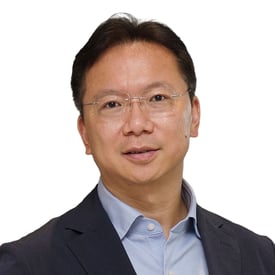
Kelvin Li
Senior Vice President
Ant International
-
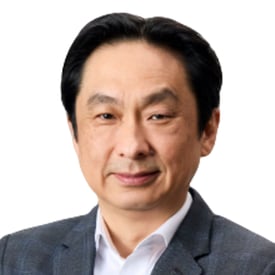
Peter Loo
Chief Legal & Compliance Officer
Bybit
-
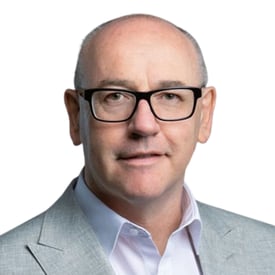
Steven McWhirter
Global Policy Lead
Binance
-

Takatoshi Shibayama
Head of Asia Pacific
Ledger Enterprise
-
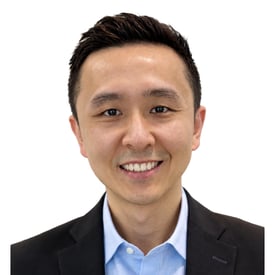
Zilong Li
Head of Digital Currency Unit, Global Transaction Services
DBS Bank
-
Daniela Barbosa
General Manager, Decentralized Technologies, Linux Foundation & Executive Director
LF Decentralized Trust
Moderator
More The Scaling Challenge in Tokenized Markets Sessions
-
9:00–10:00amTue 17 NovWorkshopWorkshop Room 2Open
The Scaling Challenge in Tokenized Markets
Stablecoins at Scale: What Will It Take? - Powered by Paxos
-
 CJ FongAPAC General Manager | Global Head of Client CoverageGSR
-
 Evy TheunisManaging Director & Head of Digital Assets, Institutional Banking GroupDBS
-
 Ryan De SouzaHead of APACArbitrum
-
 Kevin KangCo-FounderReap by Payward
-
 Khairi AzmiHead of APACPaxosModerator
About this session
Stablecoins are gaining attention, but what will it take to move from industry enthusiasm to everyday adoption? This discussion brings together Global Dollar Network representatives from across the region to explore where the USDG stablecoin can deliver practical value across payments, trading and financial infrastructure, and what stands in the way.
Speakers will share perspectives on adoption barriers, operational challenges and opportunities for collaboration across Asia. Attendees will leave with a clearer understanding of promising use cases and what businesses need to consider when integrating stablecoins into their operations.
-
-
11:15am–12:45pmTue 17 NovPublic-Private RoundtableRoundtable Room 3Open
The Scaling Challenge in Tokenized Markets
Beyond Issuance: Putting Tokenization to Work
-
 Allison ParentChief Policy OfficerOndo Finance
-
 Audrey MetzgerDirector of Innovation & Financial Market InfrastructuresBanque de France
-
 Chetan KarkhanisSVP Digital Asset Client EngagementFranklin Templeton
-
 Derek NeoHead, Market Platforms & ServicesSGX Group
-
 Gabriel CallsenSenior Director, Innovation & DigitalisationInternational Capital Market Association (ICMA)
-
 Horacio BarakatGlobal Head of Digital InnovationBroadridge
-
 John HoHead, Legal, Financial MarketsStandard Chartered Bank
-
 Katsuya TeraiDeputy Director, Crypto-Assets & Stablecoin DivisionFinancial Services Agency of Japan (JFSA)
-
 Keith de SouzaManaging Director & Head of Digital Assets Liquidity Management at Global Financial MarketsDBS Bank
-
 Peter HilborneChief Operating Officer, Global Operating PlatformSchroders Investment Management
-
 Scott O'MaliaChief Executive OfficerInternational Swaps & Derivatives Association, Inc.
-
 Alan LimDirector & Head, Financial Infrastructure & Artificial Intelligence OfficeMonetary Authority of SingaporeModerator
About this session
The first wave of asset tokenization proved that funds, bonds and other assets can be represented digitally and transacted on-chain. Yet despite a growing number of tokenized products, adoption remains fragmented and concentrated in isolated use cases. The next challenge is not creating more tokenized assets, but making them useful. How can tokenized assets be mobilised as collateral, deployed in funding markets, transferred seamlessly across institutions, and integrated into liquidity and treasury operations?
Building on Guardian's work in tokenized collateral and tokenized funds, this roundtable explores how tokenized assets can evolve from investment products into operational instruments that support financing, margining, collateral management and liquidity optimisation. Participants will discuss the legal, regulatory and infrastructure enablers needed to unlock collateral mobility, the role of tokenized money market funds and sovereign debt instruments, and whether a more connected ecosystem can create the scale necessary for institutional adoption.
-
-
11:30am–1:00pmTue 17 NovPublic-Private RoundtableRoundtable Room 2Open
The Scaling Challenge in Tokenized MarketsGlobal Frameworks and Shared Best Practices in Payments Chains
Multi-Issuance and Its Alternatives: Making Cross-Border Stablecoin Recognition Work
-
 Aymeric SalleyHead of Digital Assets PlatformBanking Circle
-
 Chengyi OngDirector of Policy & Regulatory Strategy, APACCircle
-
 Jesse McWatersEVP, Head of Global PolicyMastercard
-
 Jonah CraneHead of Global Regulatory & Policy StrategyStripe
-
 June LauAPAC Head of Policy & Regulatory AffairsElliptic
-
 Kwadwo BotweFintech SupervisorBank of Ghana
-
 Lesley ChavkinHead of PolicyRibbit Capital
-
 Michael ManzHead of the Financial Systems & Financial Markets DepartmentState Secretariat for International Finance SIF
-
 Nobuyasu SugimotoDeputy Division Chief of Financial Supervision & RegulationInternational Monetary Fund
-
 Rahul AdvaniGlobal Co-Head of PolicyRipple
-
 Rosemary LimExecutive DirectorMonetary Authority of Singapore
-
 Sasha MillsExecutive Director of Financial Market InfrastructureBank of England
-
 Valeria ZafarHead of Institutional Market Development, KinexysJP Morgan
-
 Jannah PatchayExecutive in Residence & Board MemberGlobal Digital FinanceModerator
About this session
The GDF Global Stablecoin Regulatory Playbook, published in January 2026, set out shared terminology and outcome-based principles for stablecoin regulation across jurisdictions. The subsequent report ‘Global Stablecoin Regulatory Frameworks: Closing the Gap’ drawn from insights at the Point Zero Forum in June 2026 took this work a step further. It mapped where regulators already agree and isolated the one problem that domestic frameworks were never designed to solve: how a stablecoin issued under one jurisdiction's rules can circulate safely under another's.
The report framed two models for scaling beyond domestic rules. The first keeps issuance local while seeking to preserve a unified token, through multiple licensed entities issuing a fungible stablecoin under comparable standards. The second permits a foreign-issued stablecoin to operate through recognition based on comparable, rather than identical, regulatory outcomes. It also recorded differing regulatory perspectives on the perceived risk associated with multi-issuance, particularly correlated redemption pressure and the resilience of a stablecoin’s fungibility under stress.
The roundtable convenes policymakers, global standard-setters and industry leaders to examine how these models could operate in practice. When is multi-issuance necessary to meet host-jurisdiction objectives? When can unilateral or mutual recognition provide sufficient safeguards? Where a combination of the two is appropriate, how should responsibility for reserves, redemption, supervision and crisis management be allocated? The session will focus on the conditions needed to make each approach workable while preserving fungibility and avoiding unnecessary regulatory fragmentation.
-