


Tue 17 Nov1:30–3:00pmWorkshop
Spotlight on Merchant Payments | Priority for Merchants
Global Frameworks and Shared Best Practices in Payments Chains

About This Session
Explore the opportunities and challenges shaping merchant payments through a series of practical sessions with industry leaders. From expanding across Southeast Asia and navigating AI-driven commerce to building trust in international markets, discover insights and strategies to help businesses grow.
1:30pm–1:50pm | The SEA Payment Growth Playbook
Powered by 2C2P
Many merchants are already operating across Southeast Asia. The next challenge is not entering the market, but growing within it. This conversation explores how merchants decide which local payment methods, wallets, QR and account-to-account rails are actually worth supporting — and what payment localisation really does for customer acquisition and conversion.
• Which payment methods actually move conversion?
• Cards vs wallets vs QR vs A2A
• How much localisation is enough?
• National switches and domestic rails
• Pay-in vs pay-out considerations
• Cost/complexity of adding another payment method
• What merchants should prioritise in their next growth market
1:50pm–2:10pm | When AI Agents Take Action: From Shopping to Business Finance
Powered by Airwallex
As AI agents begin to make purchases on customers’ behalf, merchants face new questions: how can they verify that a purchase is authorised, manage fraud and disputes, and reduce false declines? Within the business, using agents to manage money raises similar questions about access, permissions and accountability.
This discussion examines both sides, exploring what merchants should check about customer consent, the payment credential, transaction controls and human oversight before enabling agents to transact with customers or act on business finances.
2:10pm–2:30pm | What Merchants Told Us: Turning Payment Friction into Policy
Powered by EPAA
New technologies promise to make cross-border payments faster and easier, but do they solve the problems merchants actually face? Earlier in the day, merchants tested common assumptions about payment costs, fraud liability, compliance, instant rails and AI agents—revealing where industry expectations and merchant realities diverge.
This panel will examine what pushes SMEs towards informal workarounds, who ultimately bears the cost when payments fail, and whether transparent pricing, reusable KYC and clearer dispute rules could make formal cross-border channels easier to use. Looking ahead, the discussion will ask whether agentic payments can remove today’s friction or risk scaling it further.
The session will conclude with one practical policy action from each speaker that could improve cross-border payments for merchants over the next 12 months.
2:30pm–3:00pm | Networking
- When
- Tuesday 17 November1:30–3:00pm, Singapore time
- Where
- WorkshopWorkshop Room 2
- Access
- Open
Speakers
-

Holly Dorber
Director, Government Relations
PayPal
-
Monica Jasuja
Chief Expansion & Innovation Officer
Emerging Payments Association Asia
-
Reggie Weston
Executive Director, Business Development
2C2P by Antom
-
Shane Wan
Chief Marketing Officer
Shell
-
Sid Sharma
Director, Global GTM Partnerships
Airwallex
-
Yee Ler Lau
Head of Policy, APAC
Adyen
-
Vanessa Zavir
Head of APAC Regulatory Affairs
dLocal
-
Kennie Ong
Head of Solutions, APAC
Ubyx
Moderator
More Global Frameworks and Shared Best Practices in Payments Chains Sessions
-
3:00–4:30pmTue 17 NovPublic-Private RoundtableRoundtable Room 1Open
The Scaling Challenge in Tokenized MarketsGlobal Frameworks and Shared Best Practices in Payments Chains
Enterprise Tokenized Settlement: Can Convertibility Hold Under Stress At Scale?
-
 Avalon IngramDigital Assets Business LeadSwift
-
 Aymeric SalleyHead of Digital Assets PlatformBanking Circle
-
 Biba HomsyBoard MemberInterchain Foundation
-
 Holger NeuhausHead of Market Innovation & Integration, Design Manager for TokenisationEuropean Central Bank
-
 John O'NeillManaging Director, Digital Assets & Currencies, CIBHSBC
-
 Jose Manuel Marques SevillanoDirector Financial Market Infrastructures & InnovationBanco de España
-
 Khairi AzmiHead of APACPaxos
-
 Louise JohnstonDigital Assets & Blockchain, Global PolicyMastercard
-
 Dr. Marius SkuodisBoard MemberBank of Lithuania
-
 Scott BauguessVice President, Global Regulatory & International PolicyCoinbase
-
 Nick SnowGeneral CounselMonad Foundation
-
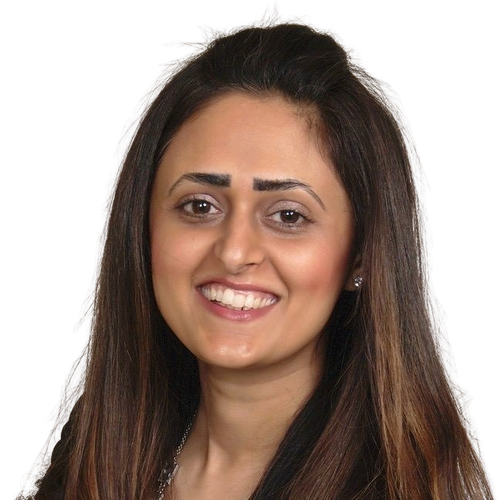 Sunayna TutejaFormer Chief Innovation OfficerFederal Reserve SystemModerator
About this session
Tokenized money is going plural — stablecoins and tokenized bank deposits are both moving toward live enterprise use in 2026, but they hold their value at par through different mechanisms, and each faces a different test under stress. Stablecoins hold par through reserves and redemption, now being formalized by 2026 rulemaking, from the GENIUS Act to MiCA; under stress, the question is whether reserves and redemption queues hold up in a run. Tokenized deposits hold par through the existing two-tier banking system and a central bank's guarantee of convertibility, but scale through interbank plumbing that's still being decided — settlement-bank arrangements or shared platforms. Under stress, the question there is whether that plumbing, and the counterparty exposure it creates, holds up if a bank or a platform fails.
As regulators and participants warned at the Point Zero Forum, the open question is whether convertibility at par survives a crisis in practice, on any of these rails. This session asks what needs to be built at each stage — reserve or capital backing, custody or bank participation, secondary-market trading, and cross-ledger settlement — for that convertibility to hold under stress. It puts reserve-backed and deposit-backed models on equal footing: where each is already resilient, where each is still exposed, and whether a fragmented rails landscape is itself becoming the bigger risk to singleness than any one model's design.
-
-
9:30–11:00amMon 16 NovLaunchpadLaunchpad RoomOpen
Accountability & Liability In Agentic SystemsGlobal Frameworks and Shared Best Practices in Payments Chains
Trust Needed: The Future of Agentic Payments - Powered by Amazon
-
 Amira KarimHead of International Public Policy, Payments & Financial ServicesAmazon
-
 Arena FernandezHead of Digital Regulatory InitiativesAmazon
-
 Colin PayneHead of InnovationFinancial Conduct Authority (FCA)
-
 Jiang FangfangAsia Lead for Digital Financial ServiceInternational Finance Corporation
-
Jose Manuel Marques SevillanoDirector Financial Market Infrastructures & InnovationBanco de España
-
 Nicole SandlerChief Ecosystem OfficerUbyx Inc
-
 Peter KerstensAdvisor, DG FISMAEuropean Commission
-
 Ramana KumarPresident of Stablecoin EcosystemADI Foundation
-
 Shayan HazirChief Digital Officer, Asia (xHK) & MENATHSBC
-
 Simran SinghAI Lab LeadFinancial Conduct Authority (FCA)
-
 Sonja DavidovicSenior Digital Expert on Transformative TechnologyInternational Monetary Fund
-
 Vishal MehtaManaging PartnerTravel & Payments
About this session
When an AI agent makes a payment across borders, who sets the rules and who is accountable if something goes wrong?
This session introduces the Agentic Payments Trust Principles, developed through the FCA Supercharged Sandbox as well as perspectives across the payment value chain will explore what it takes to trust AI agents with our payments – and how the trust principles can work in practice.
A panel discussion with GFIN AI Compass members and other regulators will examine how the trust principles connect with emerging approaches to agentic payments around the world, and what cooperation is needed to make this work with confidence.
Attendees will gain insights into the trust principles in-progress, how they have been applied , and the cooperation needed to govern AI agents in cross-border transactions.
9:30am - 9:45am
Opening Keynote
Speaker(s): Colin Payne, Head of Innovation, Financial Conduct Authority (FCA), Amira Karim, Head of International Public Policy, Payments & Financial Services, Amazon, Nicole Sandler, Chief Ecosystem Officer, Ubyx Inc
.
9:45am - 10:20am
Stakeholders’ Perspectives: Connecting to the Ground
Speaker(s): Jiang Fangfang, Asia Lead for Digital Financial Services, International Finance Corporation, Shayan Hazir, Chief Digital Officer, Asia (xHK) & MENAT, HSBC, Vishal Mehta, Managing Partner, Travel & Payments, Arena Fernandez de Bobadilla Amoros, Head of Digital Regulatory Initiatives, Payments Acceptance and Experience, Amazon, Ramana Kumar, President of Stablecoin Ecosystem, ADI Foundation, Nicole Sandler, Chief Ecosystem Officer, Ubyx Inc (Moderator)
.
10:20am - 10:55am
Panel Discussion: How the Trust Principles Link to What Various Jurisdictions are Thinking About in Relation to Agentic Payments
Speaker(s): Jose Manuel Marques Sevillano, Director Financial Market Infrastructures & Innovation, Banco de España, Simran Singh, AI Lab Chief Financial Architect, Financial Conduct Authority (FCA), Sonja Davidovic, Senior Digital Expert on Transformative Technology, International Monetary Fund, Peter Kerstens, Advisor, DG FISMA, European Commission, Amira Karim, Head of International Public Policy, Payments & Financial Services, Amazon (Moderator)
.
10:55am - 11am
Audience Q&A and Closing
Speaker: Amira Karim, Head of International Public Policy, Payments & Financial Services, Amazon
-
-
9:30–10:30amMon 16 NovWorkshopWorkshop Room 1Open
Global Frameworks and Shared Best Practices in Payments Chains
Sovereign Payments: Who Builds, Funds and Controls the Next Generation of Inclusive Instant Payment Systems? - Powered by Mojaloop
-
 Blaise Pascal GasabiraChief Executive OfficerRswitch Ltd
-
 H.E. Innocent B. MuhiziHigh Commissioner of Rwanda to SingaporeRepublic of Rwanda
-
 Jean Bosco IyacuChief Executive OfficerMojaloop Foundation
-
 Julie GuettaManaging DirectorThitsaWorks
-
 May LohCo-Lead, East Asia & Pacific PracticeDGA - Albright Stonebridge Group
-
 Steve HaleyGlobal Director, Mojaloop EcosystemMojaloop Foundation
-
 Walid AhmedDigital Payments Ecosystem AdvisorMojaloop FoundationModerator
About this session
Your payment rails are national infrastructure, so who really controls them? Instant payment systems are now national utilities, yet the key decisions often sit with a single vendor, an outside funder or experts who leave when the contract ends.
Sovereignty has three pillars, and you need all of them. Technical sovereignty means control over the technology and the freedom to change vendors. Skills sovereignty means local people and firms who can run and grow the system. Economic sovereignty means funding that keeps decision-making in national hands.
Sovereignty doesn’t mean going it alone. Open-source tools like Mojaloop, along with shared standards and peer learning, can give countries real ownership while sharing the costs of development and maintenance.
Straight talk from people who have done it. A country leader, a central bank operator, an implementer and a funder discuss where sovereignty is won or lost, from the first procurement decision to long-term operation.
The session will also present draft funding principles that support national ownership instead of eroding it, and invite funders and adopters to help shape them.
-