


Mon 16 Nov11:30am–1:00pmPublic-Private Roundtable
From Convergence to Connectivity: Shared Rails & Shared Responsibility
Global Frameworks and Shared Best Practices in Payments Chains

About This Session
As payment networks become increasingly interconnected, the challenge is no longer whether they can connect, but how they coordinate. At the Point Zero Forum 2026 roundtable, leaders from payment networks, central banks and regulators converged on a common principle: compete at the customer experience layer, collaborate on the standards and infrastructure beneath it.
But connectivity creates new questions. As instant payment systems, card networks, wallets and emerging digital money platforms become part of a growing "network of networks", who manages shared risks, aligns incentives and coordinates the rules that keep the ecosystem open, resilient and innovative?
This roundtable will bring together global payments leaders to explore the governance, economics and architecture of the next generation of integrated payment networks, and what it will take to build a truly connected global payments landscape.
- When
- Monday 16 November11:30am–1:00pm, Singapore time
- Where
- Public-Private RoundtableRoundtable Room 1
- Access
- Open
Speakers
-

Adeline Kim
Group Country Manager, Regional Southeast Asia & SVP, Global Clients, Asia Pacific
Visa
-
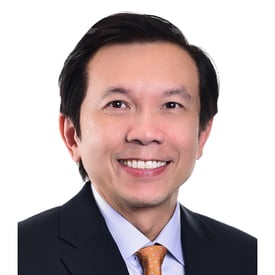
Derek Chan
Chief Executive Officer
Singapore Payments Network (SPaN)
-

Edward Yue
General Manager
ANT International
-

Julianne Heng
Regional Head of Payments
Grab
-
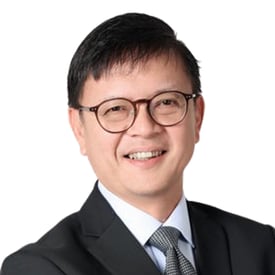
Lawrence Chan
Group Chief Executive Officer
Network for Electronic Transfers (Singapore)
-
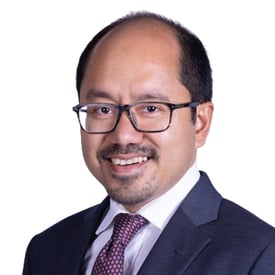
Qaiser Anwarudin
Director, Payment Services Policy Department
Bank Negara Malaysia
-

Ryosuke Ushida
Director for International Policy, International Affairs Division
Financial Services Agency of Japan (JFSA)
-

Tingli Bong
Director - Market Engagement, ASEAN
Swift
-

Jo Yeo
Director
Monetary Authority of Singapore
Moderator
More Global Frameworks and Shared Best Practices in Payments Chains Sessions
-
12:30–1:30pmMon 16 NovWorkshopWorkshop Room 3Open
The Scaling Challenge in Tokenized MarketsGlobal Frameworks and Shared Best Practices in Payments Chains
Moving Beyond 24x7 Payments: Seamless Always-On Interbank Settlement - Powered by Partior
-
 Bud NovinHead of DiSHLSEG
-
 Naveen MallelaGlobal Head of PaymentsStandard Chartered Bank
-
 Rachel WhelanManaging Director, APAC & MEA Head of Corporate Cash Management & Global Head of Payments & TFX Product MgmtDeutsche Bank
-
 Humphrey ValenbrederChief Executive OfficerPartiorModerator
About this session
Instant payment rails have improved payment speeds. The harder constraint now sits behind them. Intraday liquidity is still trapped in pre-funded nostro accounts. Repo and FX swap activity is still bound by cut-off times and business-day calendars. Treasurers still hold costly buffers against periods when markets are closed. As tokenised assets and continuous trading scale, markets will need more than 24x7 payments. They will need always-on interbank settlement and liquidity.
Drawing on the LSEG Digital Settlement House (DiSH) and Partior partnership, this workshop brings together a market infrastructure provider, global banks and an interbank settlement network to explore what it will take:
- Settling across banks and currencies: How can real-time, multi-bank settlement with shared rules on finality work across currencies and time zones?
- Managing settlement liquidity around the clock: How can banks fund and rebalance the liquidity they need to settle payments at any hour, and can intraday repo and FX swaps extend beyond today’s cut-offs to support it?
- Releasing trapped liquidity: How much pre-funding could banks free up, and what would that mean for balance sheet and capital decisions?
- Moving from pilot to scale: What operating, risk and regulatory conditions must be met before treasurers, boards and supervisors are comfortable with banks relying on this outside business hours?
Participants will leave with a clear view of what is live today, what remains in pilot, and the decisions institutions should make now to prepare for markets that never close. Treasury, markets and payments leaders are invited to bring their own questions to the discussion.
-
-
1:00–3:00pmMon 16 NovDesign ThinkingDesign Thinking RoomOpen
Global Frameworks and Shared Best Practices in Payments Chains
Scaling Real-Time Payments: Adoption, Commercial Innovation and the Economics of Inclusion - Powered by Gates Foundation
-
 Afgan AbbasovDirector, Payment Systems & Products DevelopmentCentral Bank of the Republic of Azerbaijan
-
 Blaise Pascal GasabiraChief Executive OfficerRswitch Ltd
-
 Chek-Tchung FooDirector, Regulation & PolicyGlobal Finance & Technology Network (GFTN)
-
 Clara B. ArthurChief ExecutiveGhana Interbank Payment & Settlement Systems (GhIPSS)
-
 Dr. Guerino ArdizziDeputy Head of the Analysis & Database Division (Retail Payment Instruments & Services Directorate)Banca d'Italia
-
 Jean Bosco IyacuChief Executive OfficerMojaloop Foundation
-
 Jeremy TanFounder & Chief Executive OfficerLiquid Group Pte Ltd
-
 John MukonoChief Executive OfficerKenswitch
-
 Kenn LisudzaChief Product OfficerIntegrated Payment Services Ltd (IPSL)
-
 Kosta PericDeputy Director, Inclusive Financial SystemsGates Foundation
-
 Kushal BalluckSenior Manager, FMI Innovation & Payments PolicyBank of England
-
 May LohCo-Lead, East Asia & Pacific PracticeDGA - Albright Stonebridge Group
-
 Owureku AsareDirector, FinTech & InnovationBank of Ghana
-
 Prajit NanuFounder & Chief Executive OfficerNIUM
-
 Dr. Peter RobejsekExecutive Vice PresidentMastercard
-
 Rene MichauGlobal Head, Digital Asset AdvisoryStandard Chartered
-
 Steve HaleyGlobal Director, Mojaloop EcosystemMojaloop Foundation
-
 Pat PatelManaging Director, ForumsGlobal Finance & Technology Network (GFTN)Moderator
About this session
Real-time payments have moved from being a payments innovation to becoming critical national infrastructure. Yet building the rails is only the beginning: the next challenge is driving adoption, reaching critical mass and creating sustainable commercial value while ensuring that the system continues to advance financial inclusion. Across markets, governments, central banks and industry are pursuing new features and use cases — from Request-to-Pay and merchant payments to cross-border interoperability, digital identity, government disbursements and embedded financial services — each with the potential to accelerate usage and unlock new revenue opportunities. This session brings together leaders from different national systems to share their roadmaps, adoption strategies, commercial models, successes and lessons learned, exploring what it takes to move from national payment infrastructure to a widely adopted platform for inclusive economic growth. Insights from the discussion will contribute to a global body of work identifying the principles, innovations and commercial models that can help countries scale real-time payments without losing sight of their inclusion mandate.
-
-
1:30–3:00pmMon 16 NovPublic-Private RoundtableRoundtable Room 1Open
Global Frameworks and Shared Best Practices in Payments Chains
Bilateral Linkages, Shared Multilateral Hubs, or Tokenized Instruments: Pathways to Improving Cross-Border Payments Connectivity
-
 Andrew McCormackChief Executive OfficerNexus Global Payments
-
 Beata SivakHead of Policy and Government Affairs - EMEA & APACPayward - Kraken
-
 Chen LiGeneral CounselRedotPay
-
 Kelvin LiSenior Vice PresidentAnt International
-
 Khai Uy PhamAdvisor, Lead – Cross-Border Digital Currency & Payments InitiativesBanque de France
-
 Lucy InghamVice President of ResearchFXC Intelligence
-
 Matilda Asante-AsieduSecond Deputy GovernorBank of Ghana
-
 Mike TruterHead of Industry EngagementSwift
-
 Pedro ArntChief Executive OfficerdLocal
-
 Tang WeiHead of Public Policy, Southeast Asia & ChinaStripe
-
 Dr. Tara RiceHead of Secretariat, Committee on Payments & Market InfrastructuresBank for International Settlements (BIS)
-
 Wenhui YangChief Executive Officer, TenPay Global Singapore & General Manager, Tencent Financial Technology, Asia PacificTencent
-
 Lara DouglasDirector of ImplementationFinancial Stability BoardModerator
About this session
Instant domestic payment systems already work and several countries have linked theirs bilaterally, cutting cross-border transfers from days to seconds at a fraction of the cost. But each new bilateral link involves its own negotiation, and multilateral alternatives have yet to go fully live.
Meanwhile, the G20's own 2027 targets for cost and transparency in cross-border payments are, on current trajectory, likely to be missed. The persistent blocker often isn't the payment rail at all, but mismatched technical requirements between jurisdictions that add friction regardless of which technology carries the transaction. What would it actually take to move from a growing patchwork of bilateral links to something that scales – or will the growing adoption of tokenized instruments for cross-border payments render these efforts obsolete?
This session explores the multiple pathways to achieving greater cross-border payments connectivity, from shared multilateral hubs, scaling up bilateral linkages, tokenized instruments, and alternative approaches developed by FinTechs to scaling instant cross-border payments connectivity. Participants will discuss the technical and commercial barriers to scaling instant payments connectivity; identify why current models have yet to deliver the G20 targets; discuss whether the KPIs themselves need redesigning to better capture end-user outcomes; explore the role of tokenized instruments as an alternative approach to solving the cross-border challenge; and determine the viable approaches to greater payments connectivity.
Insights from this discussion will help inform the Financial Stability Board (FSB) as it considers priorities for enhancing cross-border payments beyond 2027.
-