


Mon 16 Nov10:15–11:45amPublic-Private Roundtable
From Policy to Purchase: What Will It Take to Make National Green (100) Procurement Work?
Add to calendar

About This Session
Procurement is one of the clearest mechanisms for transforming sustainability performance into commercial advantage, but today that signal remains fragmented. Public and private sector buyers are beginning to incorporate sustainability into purchasing decisions, yet suppliers still face differing expectations, uneven incentives and limited visibility on how their sustainability performance matters in securing business opportunities. In Singapore, the Green 100 National Movement, launched by the Council for a Competitive Climate Transition (C3T), presents a timely opportunity to bring these efforts into greater alignment - connecting market demand with policy frameworks to strengthen the business case for sustainability across Singapore’s supply chains.
This session will bring together senior policymakers and industry procurement leaders to shape the next phase of sustainable procurement in Singapore. With upcoming developments on the horizon, the roundtable offers an early look at how the landscape could evolve - examining how public and private sector approaches can reinforce one another, where greater alignment can unlock value for suppliers, and what it will take to scale sustainable procurement nationwide.
- When
- Monday 16 November10:15–11:45am, Singapore time
- Where
- Public-Private RoundtableRoundtable Room 4
- Access
- Open
Speakers
-
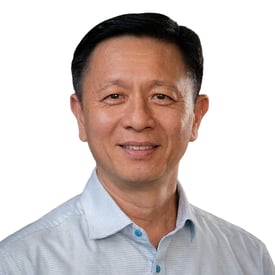
Lim Tuang Liang
Government Chief Sustainability Officer
Ministry of Sustainability & Environment
-
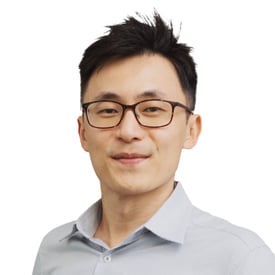
Hu Ching
Head, Net Zero Transition Programme Office
Singapore Business Federation
-
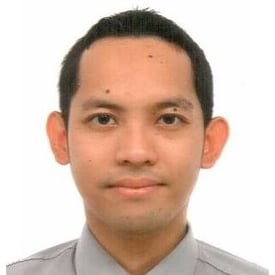
Bayu Hartanto Santosa
Procurement Sustainability & Trust Transformation Leader
Schneider Electric
-
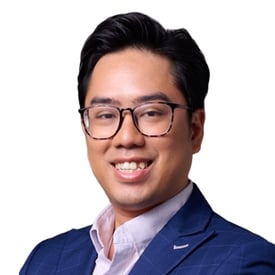
Guojian Ou
DVP, Sustainability
Singapore Post
-
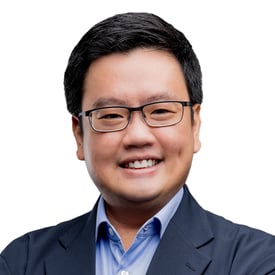
Ian Gan
VP Industry & Engagement
SACEOS
-
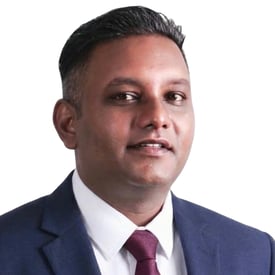
Jeremy Jayden
Assistant Director, Procurement
Millennium Hotels & Resorts
-
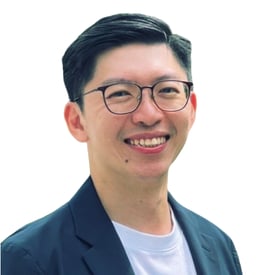
Johnny Gao
Assistant Vice President, Sustainability
The Ascott Limited
-
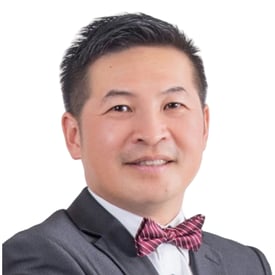
Dr Ooi Shu Geok Louis
Chief Executive Officer
LMS COMPLIANCE LTD
-

Ross Green
Head of Business Development & Commercial Management
C&W Services
-

Cherine Fok
Partner, ESG Consulting & Partner-in-Charge, Our Impact Plan, KPMG in Singapore
KPMG
Moderator
More Shaping Tomorrow's Innovation Sessions
-
12:15–1:45pmMon 16 NovPublic-Private RoundtableRoundtable Room 4Open
Shaping Tomorrow's Innovation
Connecting the Capital Stack: Financing Climate Innovation from First Risk to Scale
-
 Andy SanManaging DirectorCCX Green Finance International Limited
-
 Huib-Jan de RuitjerCo-Chief Investment Officer, Member of the Management BoardFMO
-
 Jonathan HannamManaging DirectorTaronga Group
-
 Marie CheongFounding Partner100x100
-
 Mervyn TangInvestment Director, Global Equities & Head of Sustainability, APACSchroders
-
 Mike LimPartnerTRIREC
-
 Mervin TeoPartnerFullerton Fund Management
-
 Nikita AsthanaGlobal Head, Sustainability FinanceOlam Agri
-
 Priya BellinoHead of Sustainability Solutions Group APACSumitomo Mitsui Banking Corporation
-
 Sophia NgExecutive DirectorEnterprise Singapore
-
 Davina HoDirector (Interim), Investor PracticeAIGCCModerator
About this session
The ClimateTech financing conversation has moved beyond simply identifying where capital is underinvested. The challenge now is capital coordination, across asset classes, investment stages, and between public and private capital.
ClimateTech companies typically require more capital, longer commercialisation timelines, and longer paths to exit. Yet grants, venture equity, growth capital, credit, project finance and infrastructure capital operate with different mandates, risk appetites and time horizons, often with limited coordination between them.
This fragmentation creates challenges on both sides: founders face financing gaps as they move from innovation to scale, while investors may be asked to take risks or accept timelines that do not fit their mandates.
The roundtable will examine where these disconnects occur and how stronger capital coordination and public-private coordination can create better conditions for both ClimateTech companies seeking to scale and investors seeking sustainable risk-adjusted returns.
-
-
2:15–3:30pmMon 16 NovPublic-Private RoundtableRoundtable Room 4Open
Shaping Tomorrow's Innovation
Scaling AI-Enabled Financial Services: From Domestic Success to Global Growth
-
 Abhishek ChatterjeeFounder & ChairmanTookitaki Holding Pte. Ltd
-
 Adam GagenGlobal Head of Government AffairsRevolut
-
 Agnès BastaertHead of Global Affairs & Strategic Development, EuropeAnt International
-
 Andrea BaronchelliCo-founder & Chief Executive OfficerAspire
-
 Edward BowlesGlobal Head of Government Relations & ESGWise
-
 Gregory VanChief Executive OfficerEndowus
-
 Mengfei GaoGlobal Head of Payment & Expansion PartnershipsStripe
-
 Visa KannanManaging PartnerSaison Capital
-
 Alvinder SinghHead, Innovation Acceleration OfficeMonetary Authority of SingaporeModerator
-
 Colin PayneHead of InnovationFinancial Conduct Authority (FCA)Moderator
About this session
An exchange between founders, investors and regulators on how AI is reshaping business models, enabling cross-border growth, and influencing the funding and governance considerations of the next generation of FinTech scale-ups.
-
-
9:30–10:30amTue 17 NovWorkshopWorkshop Room 1Open
Shaping Tomorrow's InnovationGlobal Frameworks and Shared Best Practices in Payments Chains
Trust Applied: From Friction to Flow Across Borders - Powered by Amazon
-
 Camilla BullockChief Executive OfficerEmerging Payments Association Asia
-
 Julie GuettaManaging DirectorThitsaWorks
-
 Dr. Kati SuominenFounder & Chief Executive OfficerNextrade Group
-
 Kennie OngHead of Solutions, APACUbyx
-
 Qamar SaleemGlobal Head, SME Finance ForumWorld Bank Group
-
 Monica JasujaChief Expansion & Innovation OfficerEmerging Payments Association AsiaModerator
About this session
What would it take to make cross-border payments an enabler of SME growth?
Six years into the G20 Cross-Border Payments Roadmap, high costs, slow settlement, and complex compliance requirements continue to hold small businesses back. Meanwhile, agentic AI, stablecoins and real-time payment networks are opening new possibilities for paying across borders. In the face of tariffs and fragmentation of trade, improving payments offers governments a practical way to support trade through domestic action.
Drawing on From Friction to Flow 2.0, a new Nextrade Group study of 1,100 SME importers across Brazil, Indonesia, South Africa and Thailand and dozens of policies shaping crossborder payments around the world economies, this workshop will explore where reform can make the greatest difference. The report’s Cross-Border Payments Enablement Index benchmarks 34 economies across six policy pillars, providing a roadmap for reforms that enable businesses to trade more effectively.
Participants will work with the findings to identify priority barriers and develop actionable, country-specific reform roadmaps. The focus: turning evidence into practical steps to reduce friction, improve payment flows and unlock opportunities for SMEs.
-