


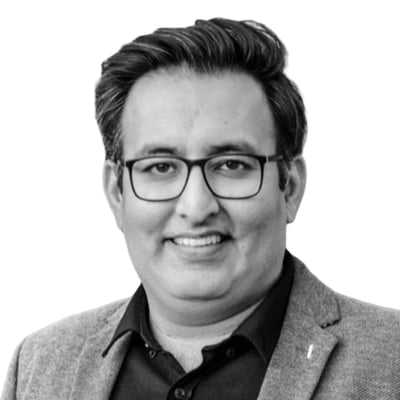
Walid Ahmed
Digital Payments Ecosystem Advisor
Mojaloop Foundation
Walid Ahmed is a global payments and digital financial services leader with over 18 years of experience advising and collaborating with governments, regulators, public-sector institutions and international development partners across Asia, Sub-Saharan Africa and the Americas.
At Mojaloop Foundation, he champions the adoption of open-source, interoperable real-time payment systems. He works with stakeholders to shape the strategic vision, governance frameworks and institutional capabilities needed to build sustainable payment infrastructure that is locally owned, locally controlled and locally operated.
Speaking At
-
9:30–10:30amMon 16 NovWorkshopWorkshop Room 1Open
Global Frameworks and Shared Best Practices in Payments Chains
Sovereign Payments: Who Builds, Funds and Controls the Next Generation of Inclusive Instant Payment Systems? - Powered by Mojaloop
-
 Tullo NdundaAdopter Support ManagerMojaloop Foundation
-
 H.E. Innocent B. MuhiziRepublic of Rwanda to SingaporeHigh Commissioner
-
 Miatta E. KutehDirector, Payment Systems DepartmentCentral Bank of Liberia
-
 Steve HaleyGlobal Director, Mojaloop EcosystemMojaloop Foundation
-
 Walid AhmedDigital Payments Ecosystem AdvisorMojaloop Foundation
About this session
Your payment rails are national infrastructure, so who really controls them? Instant payment systems are now national utilities, yet the key decisions often sit with a single vendor, an outside funder or experts who leave when the contract ends.
Sovereignty has three pillars, and you need all of them. Technical sovereignty means control over the technology and the freedom to change vendors. Skills sovereignty means local people and firms who can run and grow the system. Economic sovereignty means funding that keeps decision-making in national hands.
Sovereignty doesn’t mean going it alone. Open-source tools like Mojaloop, along with shared standards and peer learning, can give countries real ownership while sharing the costs of development and maintenance.
Straight talk from people who have done it. A country leader, a central bank operator, an implementer and a funder discuss where sovereignty is won or lost, from the first procurement decision to long-term operation.
The session will also present draft funding principles that support national ownership instead of eroding it, and invite funders and adopters to help shape them.
-

