

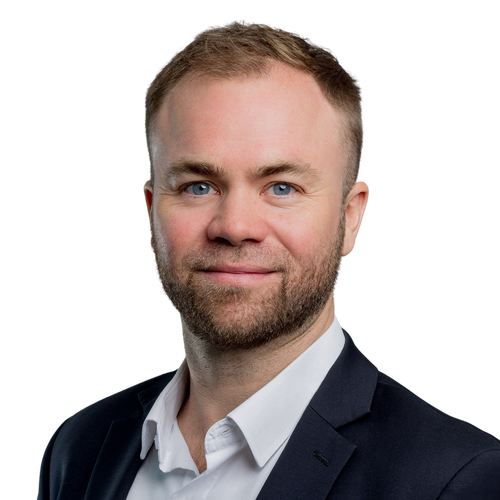
Aymeric Salley
Head of Digital Assets Platform
Banking Circle
As the Head of Digital Assets Platform with Banking Circle Aymeric is focused on building trusted, bank-grade infrastructure for the next era of money and assets. He brings deep operator and advisory experience as former co-founder and head of stablecoin issuer StraitsX, early employee at blockchain infrastructure pioneer Paxos, co-lead of KPMG’s APAC Digital Assets practice, and steering committee member of the Monetary Authority of Singapore’s Project Orchid. Aymeric believes money and assets will soon move like streaming media - instant, always on, programmable, and low-cost - with banks at the centre delivering what no one else can: trust.
Speaking At
-
2:00–3:00pmMon 16 NovWorkshopWorkshop Room 3Open
Others
From Promise to Production: What It Takes to Bring Finance Onchain - Powered by Monad Foundation
-
 Aymeric SalleyHead of Digital Assets PlatformBanking Circle
-
 Daniel OonHead of EcosystemStraitsX
-
 Jan CamenischHead of ResearchCategory Labs
-
 Nick SnowGeneral CounselMonad Foundation
-
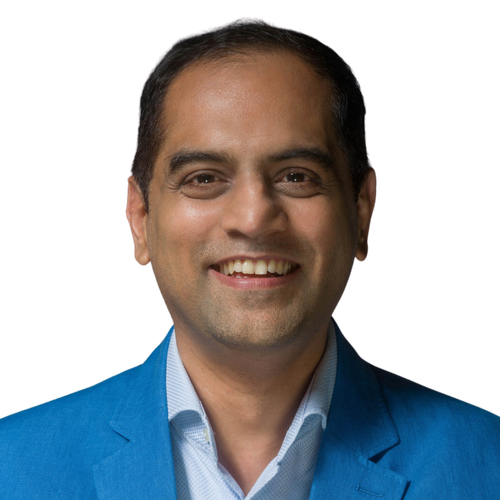 Nischint SanghaviHead of Digital Currencies, APVisa
-
 Tim WaySenior Director, Global BankingFireblocks
-
 Sagar SarbhaiHead of Institutions, APACMonad FoundationModerator
About this session
Public blockchains are fundamentally changing how financial markets operate, bringing money, assets, liquidity and settlement onto shared, programmable infrastructure. The opportunity? To create more open and fairer financial markets, with broader access to liquidity, more competitive pricing and better outcomes for participants.
But the ambition goes beyond moving existing financial products onchain. It's about creating productive economies where assets can be traded, financed and put to work across connected markets. Getting there requires more than speed and efficiency. Institutions need security, operational resilience, confidentiality, fair and predictable execution, and regulatory clarity, without sacrificing the openness and connectivity that make public blockchains valuable.
Bringing together leaders across finance, technology and policy, this programme explores what it takes to bring financial services onchain and build the infrastructure for open, connected global markets.
-
-
11:30am–1:00pmTue 17 NovPublic-Private RoundtableRoundtable Room 2Open
The Scaling Challenge in Tokenized MarketsGlobal Frameworks and Shared Best Practices in Payments Chains
Multi-Issuance and Its Alternatives: Making Cross-Border Stablecoin Recognition Work
-
Aymeric SalleyHead of Digital Assets PlatformBanking Circle
-
 Chengyi OngDirector of Policy & Regulatory Strategy, APACCircle
-
 Jesse McWatersEVP, Head of Global PolicyMastercard
-
 Jonah CraneHead of Global Regulatory & Policy StrategyStripe
-
 June LauAPAC Head of Policy & Regulatory AffairsElliptic
-
 Kwadwo BotweFintech SupervisorBank of Ghana
-
 Lesley ChavkinHead of PolicyRibbit Capital
-
 Nobuyasu SugimotoDeputy Division Chief of Financial Supervision & RegulationInternational Monetary Fund
-
 Rahul AdvaniGlobal Co-Head of PolicyRipple
-
 Rosemary LimExecutive DirectorMonetary Authority of Singapore
-
 Sasha MillsExecutive Director of Financial Market InfrastructureBank of England
-
 Valeria ZafarHead of Institutional Market Development, KinexysJP Morgan
-
 Jannah PatchayExecutive in Residence & Board MemberGlobal Digital FinanceModerator
About this session
The GDF Global Stablecoin Regulatory Playbook, published in January 2026, set out shared terminology and outcome-based principles for stablecoin regulation across jurisdictions. The subsequent report ‘Global Stablecoin Regulatory Frameworks: Closing the Gap’ drawn from insights at the Point Zero Forum in June 2026 took this work a step further. It mapped where regulators already agree and isolated the one problem that domestic frameworks were never designed to solve: how a stablecoin issued under one jurisdiction's rules can circulate safely under another's.
The report framed two models for scaling beyond domestic rules. The first keeps issuance local while seeking to preserve a unified token, through multiple licensed entities issuing a fungible stablecoin under comparable standards. The second permits a foreign-issued stablecoin to operate through recognition based on comparable, rather than identical, regulatory outcomes. It also recorded differing regulatory perspectives on the perceived risk associated with multi-issuance, particularly correlated redemption pressure and the resilience of a stablecoin’s fungibility under stress.
The roundtable convenes policymakers, global standard-setters and industry leaders to examine how these models could operate in practice. When is multi-issuance necessary to meet host-jurisdiction objectives? When can unilateral or mutual recognition provide sufficient safeguards? Where a combination of the two is appropriate, how should responsibility for reserves, redemption, supervision and crisis management be allocated? The session will focus on the conditions needed to make each approach workable while preserving fungibility and avoiding unnecessary regulatory fragmentation.
-
-
3:00–4:30pmTue 17 NovPublic-Private RoundtableRoundtable Room 1Open
The Scaling Challenge in Tokenized MarketsGlobal Frameworks and Shared Best Practices in Payments Chains
Enterprise Tokenized Settlement: Can Convertibility Hold Under Stress At Scale?
-
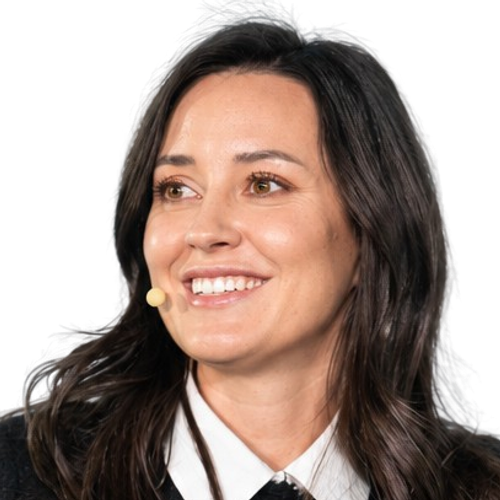 Avalon IngramDigital Assets Business LeadSwift
-
Aymeric SalleyHead of Digital Assets PlatformBanking Circle
-
 Biba HomsyBoard MemberInterchain Foundation
-
 Holger NeuhausHead of Market Innovation & Integration, Design Manager for TokenisationEuropean Central Bank
-
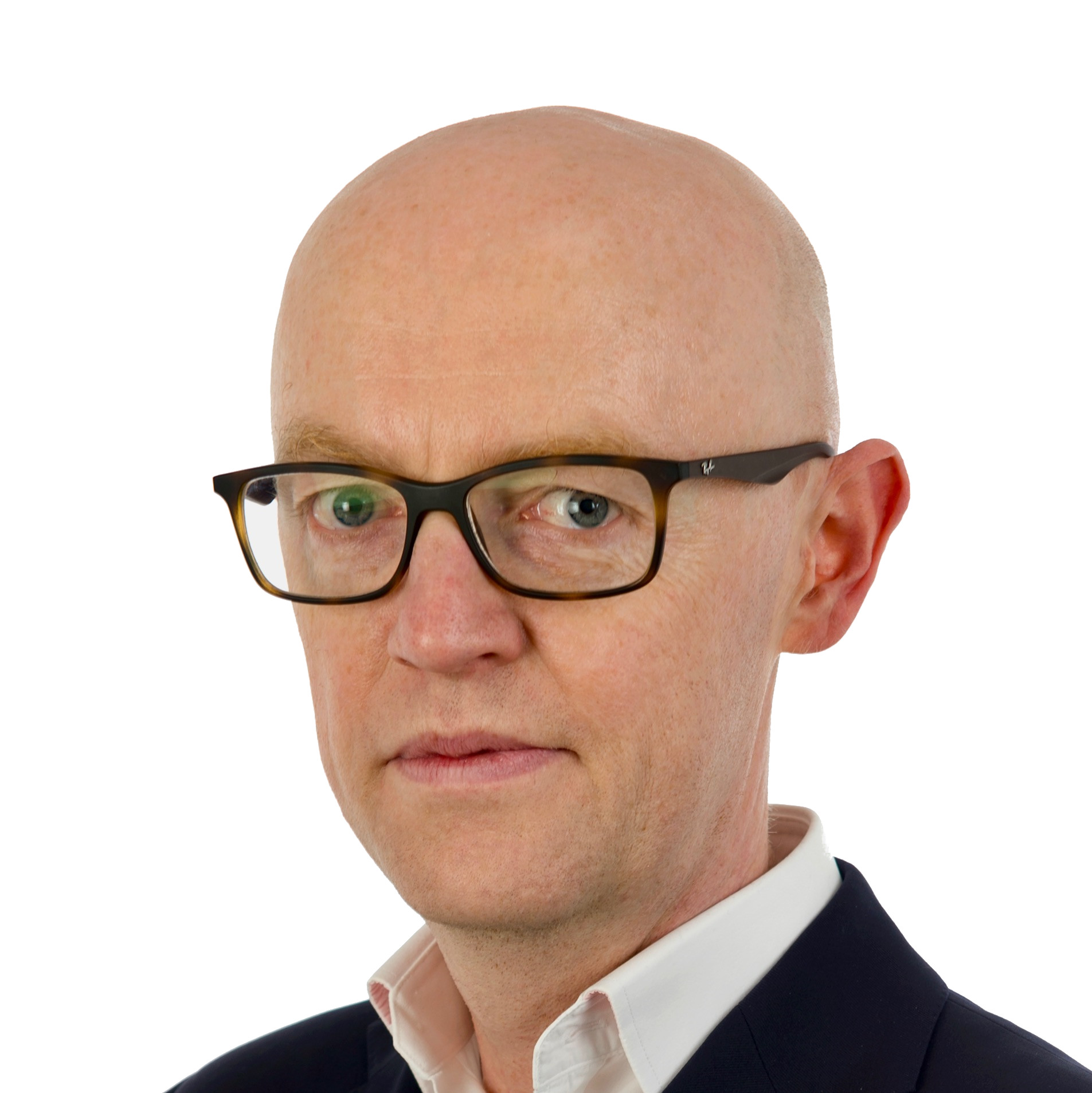 John O'NeillManaging Director, Digital Assets & Currencies, CIBHSBC
-
 Jose Manuel Marques SevillanoDirector Financial Market Infrastructures & InnovationBanco de España
-
 Katie MitchellHead of APAC & MEA PolicyCoinbase
-
 Khairi AzmiHead of APACPaxos
-
 Louise JohnstonDigital Assets & Blockchain, Global PolicyMastercard
-
 Dr. Marius SkuodisBoard MemberBank of Lithuania
-
Sagar SarbhaiHead of Institutions, APACMonad Foundation
-
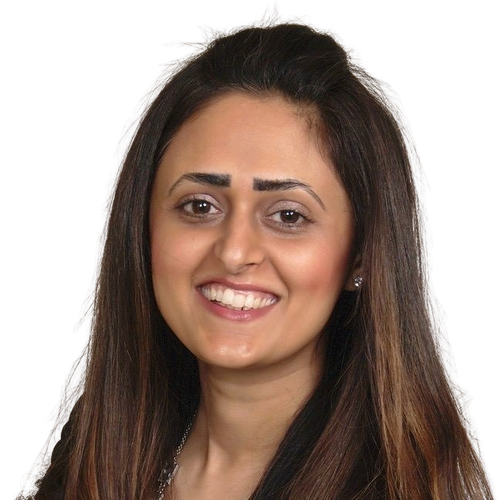 Sunayna TutejaFormer Chief Innovation OfficerFederal Reserve SystemModerator
About this session
Tokenized money is going plural — stablecoins and tokenized bank deposits are both moving toward live enterprise use in 2026, but they hold their value at par through different mechanisms, and each faces a different test under stress. Stablecoins hold par through reserves and redemption, now being formalized by 2026 rulemaking, from the GENIUS Act to MiCA; under stress, the question is whether reserves and redemption queues hold up in a run. Tokenized deposits hold par through the existing two-tier banking system and a central bank's guarantee of convertibility, but scale through interbank plumbing that's still being decided — settlement-bank arrangements or shared platforms. Under stress, the question there is whether that plumbing, and the counterparty exposure it creates, holds up if a bank or a platform fails.
As regulators and participants warned at the Point Zero Forum, the open question is whether convertibility at par survives a crisis in practice, on any of these rails. This session asks what needs to be built at each stage — reserve or capital backing, custody or bank participation, secondary-market trading, and cross-ledger settlement — for that convertibility to hold under stress. It puts reserve-backed and deposit-backed models on equal footing: where each is already resilient, where each is still exposed, and whether a fragmented rails landscape is itself becoming the bigger risk to singleness than any one model's design.
-

