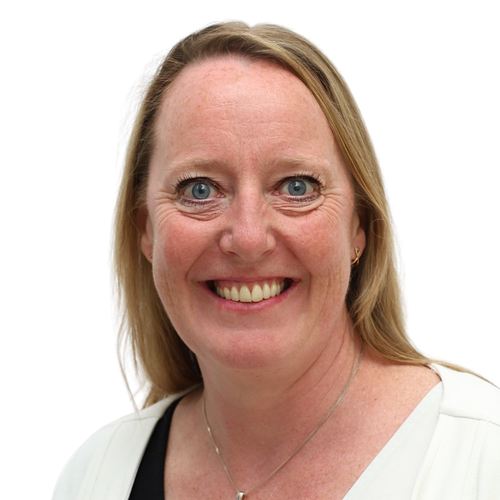


Karmela Holtgreve
Deputy Head & Head of Operations
BIS Innovation Hub
Karmela Holtgreve is currently Deputy Head and Head of Operations of the BIS Innovation Hub, where she is responsible for the Hub’s operations across the globe, including IT, risk and finance. She joined the BIS in 2024 from the Deutsche Bundesbank, where she was Director General Strategy and Innovation, overseeing the Bank’s strategy and leading its most significant organisational transformation since the 1990s. Karmela previously held various leadership positions at the Bundesbank, including Head of Innovation and Digitalisation, and represented the Bank in national and international fora. She holds a diploma in political science.
Speaking At
-
2:00–3:00pmMon 16 NovWorkshopWorkshop Room 2Open
The Scaling Challenge in Tokenized MarketsSovereignty & Resilience in a Rewired Financial System
Ready for Take-off? De-risking Digital Money - Powered by Giesecke+Devrient
-
 Avanee GokhaleGlobal Head, Insights / Global Head, TradeSWIFT
-
 Howard DaviesChairman of the Supervisory BoardQivalis NV
-
 Karmela HoltgreveDeputy Head & Head of OperationsBIS Innovation Hub
-
 Polly BäumlerRegional Director Business Development, Digital CurrenciesGiesecke+Devrient
-
 Daniel NagyDirectorForefrontModerator
About this session
Digital money may be ready for take-off, but is the financial ecosystem ready to support it safely?
Moving from pilots to large-scale deployment takes more than working technology. New digital money systems must connect with existing payment and banking infrastructure, meet regulatory requirements and maintain trust without compromising financial stability.
This session will explore the risks and decisions involved in that transition:
- Connecting systems: How can emerging technologies work together and integrate with existing infrastructure?
- Maintaining stability and compliance: How can institutions modernise while meeting regulatory requirements and protecting financial and payment systems?
- Encouraging participation: What roles should stakeholders play, and what incentives will support lasting adoption?
- Protecting digital money: How can institutions address cyber risks, including threats from advances in quantum computing?
Attendees will gain practical perspectives on the safeguards, coordination and strategic choices needed to move digital money from pilot projects to wider deployment.
-
-
11:00am–12:30pmTue 17 NovPublic-Private RoundtableRoundtable Room 1OpenModerator
Accountability & Liability In Agentic SystemsSovereignty & Resilience in a Rewired Financial System
Trusted Data Collaboration for Safe and Resilient Financial Systems
-
 Dr. Duan PuHead of Privacy-Enhancing Technologies DepartmentAnt International
-
 Herman SchuellerDirector, Innovation & Technology Risk - SupervisionDubai Financial Services Authority
-
 Kenneth GayChief FinTech OfficerMonetary Authority of Singapore
-
 Prof. Kwok-Yan LamProfessorNanyang Technological University
-
 Dr. Kimmo SoramakiFounder & Chief Executive OfficerFNA
-
 Lara DouglasDirector of ImplementationFinancial Stability Board
-
 Louise JohnstonDigital Assets & Blockchain, Global PolicyMastercard
-
 Nick SooManaging Director, Payment Products, GPS AsiaHSBC
-
 Qaiser AnwarudinDirector, Payment Services Policy DepartmentBank Negara Malaysia
-
 Simran SinghAI Lab LeadFinancial Conduct Authority (FCA)
-
Karmela HoltgreveDeputy Head & Head of OperationsBIS Innovation HubModerator
About this session
Trusted cross-border data collaboration and analytics has useful applications in payments, addressing financial crime and helping central banks and financial authorities monitor systemic risk and enhance supervision. Privacy enhancing technologies have demonstrated good potential in enabling cross-institution data collaboration while preserving privacy, confidentiality and institutional control, but have failed to scale beyond pilots. This roundtable will examine emerging privacy-preserving technology applications in the financial sector and discuss the technological, governance and policy foundations required to scale trusted data collaboration.
-