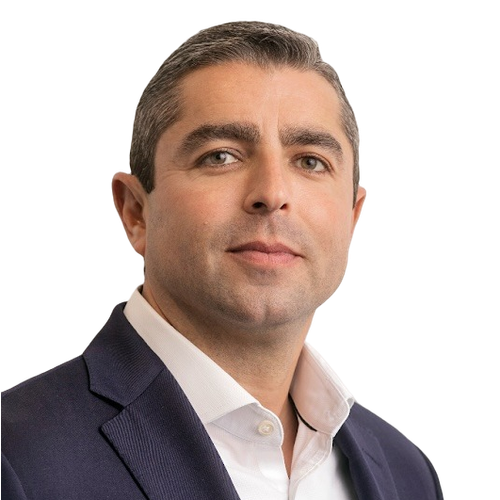


Jose Manuel Marques Sevillano
Director Financial Market Infrastructures & Innovation
Banco de España
José Manuel Marqués is Head the Financial Innovation and Market Infrastructures Department Bank of Spain (Banco de España). In this position, he coordinates the contribution from Bank of Spain to Infrastructures related with the TARGET Services (Target 2 Securities and Eurosystem Collateral Management System) and Market Activities Processing System. He also coordinates the analysis of the main trends transforming the financial system: Big tech and Fintech, Cryptocurrencies, CBDC, Artificial Intelligence and Machine Learning, Blockchain and DLT. Marqués has joined Bank of Spain in 1996 and has written a number of articles on financial markets and is chair of the Working Group of Green Finance in the BIS Innovation Network and represent Bank of Spain on the High Level Taskforce on the digital euro, the CEMLA Foro Fintech. He has a BA in Economics and Business from University of Zaragoza, and an MSc from University Pompeu Fabra, Barcelona.
Speaking At
-
9:30–11:00amMon 16 NovLaunchpadLaunchpad RoomOpen
Others
Trust Needed: The Future of Agentic Payments - Powered by Amazon
-
 Amira KarimHead of International Public Policy, Payments & Financial ServicesAmazon
-
 Nicole SandlerChief Ecosystem OfficerUbyx Inc
-
 Simran SinghAI Lab LeadFinancial Conduct Authority (FCA)
-
 Jiang FangfangAsia Lead for Digital Financial ServiceInternational Finance Corporation
-
 Shayan HazirChief Digital Officer, Asia (xHK) & MENATHSBC
-
 Jose Manuel Marques SevillanoDirector Financial Market Infrastructures & InnovationBanco de España
-
 Sonja DavidovicSenior Digital Expert on Transformative TechnologyInternational Monetary Fund
About this session
_When an AI agent makes a payment across borders, who sets the rules and who is accountable if something goes wrong?_
This session introduces the Agentic Payments Trust Principles, developed through the FCA Supercharged Sandbox as well as perspectives across the payment value chain will explore what it takes to trust AI agents with our payments – and how the trust principles can work in practice.
A panel discussion with GFIN AI Compass members and other regulators will examine how the trust principles connect with emerging approaches to agentic payments around the world, and what cooperation is needed to make this work with confidence.
Attendees will gain insights into the trust principles in-progress, how they have been applied , and the cooperation needed to govern AI agents in cross-border transactions.
9:30am - 9:45am
Opening Keynote
Speaker(s): Simran Singh, AI Lab Lead, Financial Conduct Authority (FCA), Amira Karim, Head of International Public Policy, Payments & Financial Services, Amazon, Nicole Sandler, Chief Ecosystem Officer, Ubyx Inc
.
9:45am - 10:20am
Stakeholders’ Perspectives: Connecting to the Ground
Speaker(s): Jiang Fangfang, Asia Lead for Digital Financial Services, International Finance Corporation, Shayan Hazir, Chief Digital Officer, Asia (xHK) & MENAT, HSBC, Vishal Mehta, Managing Partner, Travel & Payments, Nicole Sandler, Chief Ecosystem Officer, Ubyx Inc (Moderator)
.
10:20am - 10:55am
Panel Discussion: How the Trust Principles Link to What Various Jurisdictions are Thinking About in Relation to Agentic Payments
Speaker(s): Jose Manuel Marques Sevillano, Director Financial Market Infrastructures & Innovation, Banco de España, Sonja Davidovic, Senior Digital Expert on Transformative Technology, International Monetary Fund, Simran Singh, AI Lab Lead, Financial Conduct Authority (FCA) (Moderator)
.
10:55am - 11am
Audience Q&A and Closing
Speaker: Simran Singh, AI Lab Lead, Financial Conduct Authority (FCA)
-
-
3:00–4:30pmTue 17 NovPublic-Private RoundtableRoundtable Room 1Open
The Scaling Challenge in Tokenized MarketsGlobal Frameworks and Shared Best Practices in Payments Chains
Enterprise Tokenized Settlement: Can Convertibility Hold Under Stress At Scale?
-
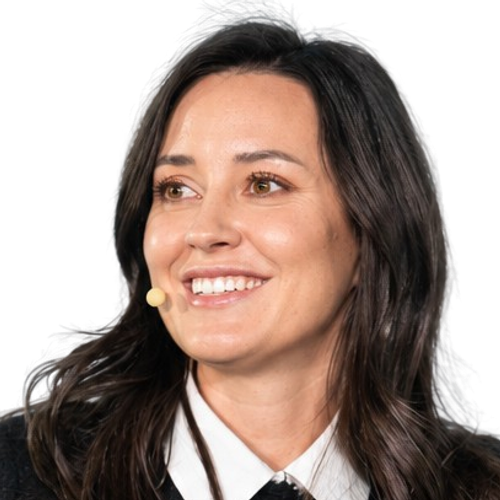 Avalon IngramDigital Assets Business LeadSwift
-
 Aymeric SalleyHead of Digital Assets PlatformBanking Circle
-
 Biba HomsyBoard MemberInterchain Foundation
-
 Jesse McWatersEVP, Head of Global PolicyMastercard
-
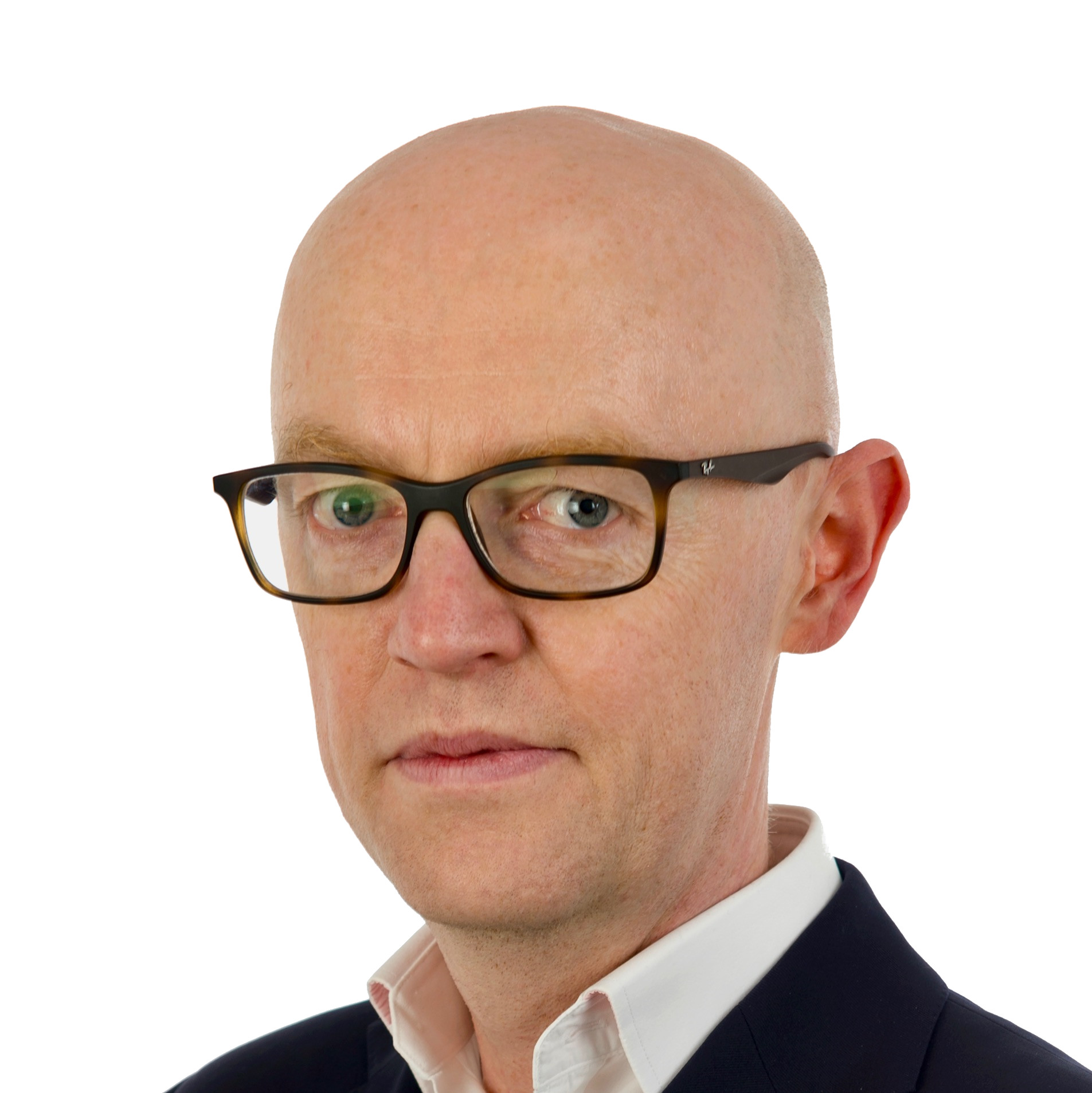 John O'NeillManaging Director, Digital Assets & Currencies, CIBHSBC
-
Jose Manuel Marques SevillanoDirector Financial Market Infrastructures & InnovationBanco de España
-
 Katie MitchellHead of APAC & MEA PolicyCoinbase
-
 Khairi AzmiHead of APACPaxos
-
 Dr. Marius SkuodisBoard MemberBank of Lithuania
-
 Sagar SarbhaiHead of Institutions, APACMonad Foundation
-
 Holger NeuhausHead of Market Innovation & Integration, Design Manager for TokenisationEuropean Central Bank
-
 Sunayna TutejaFormer Chief Innovation OfficerFederal Reserve SystemModerator
About this session
Tokenized money is going plural — stablecoins and tokenized bank deposits are both moving toward live enterprise use in 2026, but they hold their value at par through different mechanisms, and each faces a different test under stress. Stablecoins hold par through reserves and redemption, now being formalized by 2026 rulemaking, from the GENIUS Act to MiCA; under stress, the question is whether reserves and redemption queues hold up in a run. Tokenized deposits hold par through the existing two-tier banking system and a central bank's guarantee of convertibility, but scale through interbank plumbing that's still being decided — settlement-bank arrangements or shared platforms. Under stress, the question there is whether that plumbing, and the counterparty exposure it creates, holds up if a bank or a platform fails.
As regulators and participants warned at the Point Zero Forum, the open question is whether convertibility at par survives a crisis in practice, on any of these rails. This session asks what needs to be built at each stage — reserve or capital backing, custody or bank participation, secondary-market trading, and cross-ledger settlement — for that convertibility to hold under stress. It puts reserve-backed and deposit-backed models on equal footing: where each is already resilient, where each is still exposed, and whether a fragmented rails landscape is itself becoming the bigger risk to singleness than any one model's design.
-