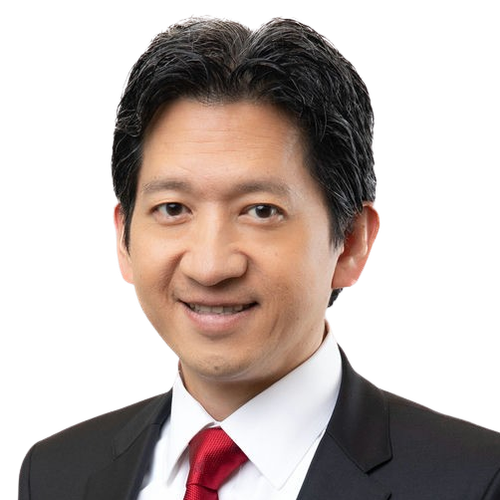


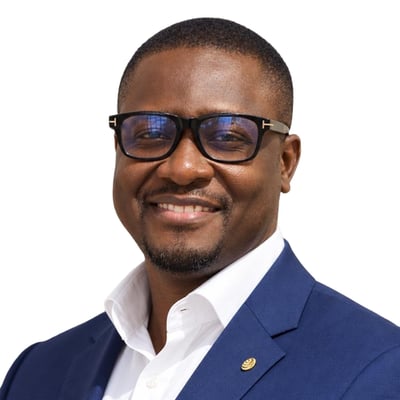
Owureku Asare
Director, FinTech & Innovation
Bank of Ghana
Owureku Asare is the Director, Fintech and Innovation at the Bank of Ghana, where he is responsible for advancing policy and regulatory initiatives that strengthen Ghana’s digital financial ecosystem.
With over 20 years of experience spanning banking, payments, and digital financial services, he has led digital transformation initiatives across 33 markets and built strategic partnerships to advance digital finance and financial health across Sub-Saharan Africa.
He has worked closely with leading global partners, including the Bill & Melinda Gates Foundation, Mastercard Foundation, the Consultative Group to Assist the Poor (CGAP), and the Better Than Cash Alliance. He is also a co-founder of the Financial Inclusion Forum in Africa, established to promote innovation and financial inclusion across the continent.
He currently serves as Chairman of the Virtual Assets Coordinating Committee (VACC), supporting cross-sector coordination on the development of Ghana’s virtual assets ecosystem.
Speaking At
-
9:30–11:00amMon 16 NovPublic-Private RoundtableRoundtable Room 1Open
The Scaling Challenge in Tokenized Markets
Tokenized Markets: Frictions, Choices and the Path to Interoperability
-
 Alan CroftsHead of Innovation & FintechFMA New Zealand
-
 Herman SchuellerDirector, Innovation & Technology Risk - SupervisionDubai Financial Services Authority
-
 Jaime PradenasHead of Financial Technology HubCentral Bank of Chile
-
 Katie MitchellHead of APAC & MEA PolicyCoinbase
-
 Kushal BalluckSenior Manager, FMI Innovation & Payments PolicyBank of England
-
 Michael MaurerResearch EngineerMIT Digital Currency Initiative (DCI)
-
 Owureku AsareDirector, FinTech & InnovationBank of Ghana
-
 Peter KerstensAdvisor, DG FISMAEuropean Commission
-
 Atty. Rogelio V. QuevedoCommissionerSecurities and Exchange Commission (Philippines)
-
 Tang WeiHead of Public Policy, Southeast Asia & ChinaStripe
-
 Toh Wee KeeGlobal Head of InsightsKinexys by J.P. Morgan
-
 Ulrich StrohmeierHead of Wholesale CBDCDeutsche Bundesbank
-
 Dr. Wong Huei ChingExecutive Director, Digital Strategy & InnovationSecurities Commission Malaysia
-
 Jael TanHead of Government ProgrammesGlobal Finance & Technology Network (GFTN)Moderator
-
 Maha El DimachkiManaging Director, Policy & SkillingGlobal Finance & Technology Network (GFTN)Moderator
About this session
Tokenization projects today are often built vertically, with each initiative solving a specific problem within its own ecosystem. Yet tokenizing an asset in isolation does not deliver the full potential of tokenization. Benefits such as atomic settlement and greater capital efficiency depend on interoperability across the entire transaction chain — from the asset and its supporting infrastructure to trading, settlement and the movement of money. The challenge is how countries and institutions can pursue their own tokenization ambitions while avoiding the fragmentation that siloed approaches risk creating.
This roundtable brings together findings from a year of open-call research, alongside problem statements and perspectives from private-sector practitioners navigating the practical choices, risks and constraints of tokenization. It will explore how a decision-making framework can help countries assess their starting points and ambitions, identify the capabilities required across the transaction chain, and consider different pathways towards more interoperable markets. Looking ahead to 2027, participants will discuss emerging problem statements and the coordination, partnerships and policy support needed to connect individual initiatives into a more coherent financial ecosystem.
-
-
1:00–3:00pmMon 16 NovDesign ThinkingDesign Thinking RoomOpen
Global Frameworks and Shared Best Practices in Payments Chains
Scaling Real-Time Payments: Adoption, Commercial Innovation and the Economics of Inclusion - Powered by Gates Foundation
-
 Afgan AbbasovDirector, Payment Systems & Products DevelopmentCentral Bank of the Republic of Azerbaijan
-
 Blaise Pascal GasabiraChief Executive OfficerRswitch Ltd
-
 Chek-Tchung FooDirector, Regulation & PolicyGlobal Finance & Technology Network (GFTN)
-
 Clara B. ArthurChief ExecutiveGhana Interbank Payment & Settlement Systems (GhIPSS)
-
 Dr. Guerino ArdizziDeputy Head of the Analysis & Database Division (Retail Payment Instruments & Services Directorate)Banca d'Italia
-
 Jean Bosco IyacuChief Executive OfficerMojaloop Foundation
-
 Jeremy TanFounder & Chief Executive OfficerLiquid Group Pte Ltd
-
 John MukonoChief Executive OfficerKenswitch
-
 Kenn LisudzaChief Product OfficerIntegrated Payment Services Ltd (IPSL)
-
 Kosta PericDeputy Director, Inclusive Financial SystemsGates Foundation
-
Kushal BalluckSenior Manager, FMI Innovation & Payments PolicyBank of England
-
 May LohCo-Lead, East Asia & Pacific PracticeDGA - Albright Stonebridge Group
-
Owureku AsareDirector, FinTech & InnovationBank of Ghana
-
 Prajit NanuFounder & Chief Executive OfficerNIUM
-
 Dr. Peter RobejsekExecutive Vice PresidentMastercard
-
 Rene MichauGlobal Head, Digital Asset AdvisoryStandard Chartered
-
 Steve HaleyGlobal Director, Mojaloop EcosystemMojaloop Foundation
-
 Pat PatelManaging Director, ForumsGlobal Finance & Technology Network (GFTN)Moderator
About this session
Real-time payments have moved from being a payments innovation to becoming critical national infrastructure. Yet building the rails is only the beginning: the next challenge is driving adoption, reaching critical mass and creating sustainable commercial value while ensuring that the system continues to advance financial inclusion. Across markets, governments, central banks and industry are pursuing new features and use cases — from Request-to-Pay and merchant payments to cross-border interoperability, digital identity, government disbursements and embedded financial services — each with the potential to accelerate usage and unlock new revenue opportunities. This session brings together leaders from different national systems to share their roadmaps, adoption strategies, commercial models, successes and lessons learned, exploring what it takes to move from national payment infrastructure to a widely adopted platform for inclusive economic growth. Insights from the discussion will contribute to a global body of work identifying the principles, innovations and commercial models that can help countries scale real-time payments without losing sight of their inclusion mandate.
-