
.svg)
.svg)
%20(1).svg)
%20(1).svg)
.svg)

John O'Neill
Managing Director, Digital Assets & Currencies, CIB
HSBC
View LinkedIn profileJohn has more than 20 years of experience in financial services. He is HSBC's Managing Director of Digital Assets and Currencies, responsible for the bank's approach to CBDCs, stablecoins, cryptocurrencies and asset tokenisation. John is responsible for HSBC Orion, the propriety digital assets platform that financial institutions and corporations are able to use to issue digital bonds on blockchain. Prior to joining HBSC, John held various roles at ICE Futures Europe (previously the London International Financial Futures Exchange – LIFFE), finally becoming head of the FICC business.
Speaking At
-
3:00–4:30pmTue 17 NovPublic-Private RoundtableRoundtable Room 4Invite-Only
Tokenized Market Infrastructure – The Scaling Challenge
Enterprise Tokenized Settlement: Can Convertibility Hold Under Stress At Scale?
-
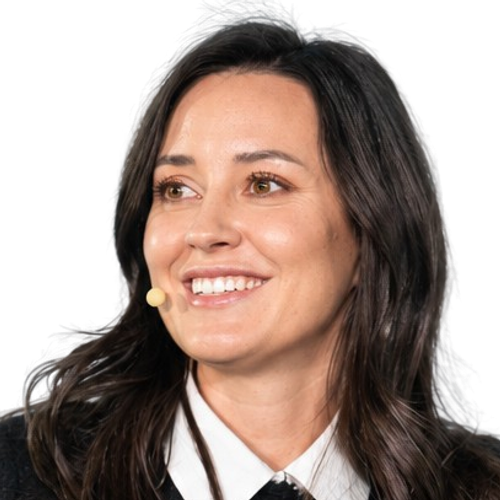 Avalon IngramDigital Assets Business LeadSwift
-
 Aymeric SalleyHead of Digital Assets PlatformBanking Circle
-
 Jesse McWatersEVP, Head of Global PolicyMastercard
-
 John O'NeillManaging Director, Digital Assets & Currencies, CIBHSBC
-
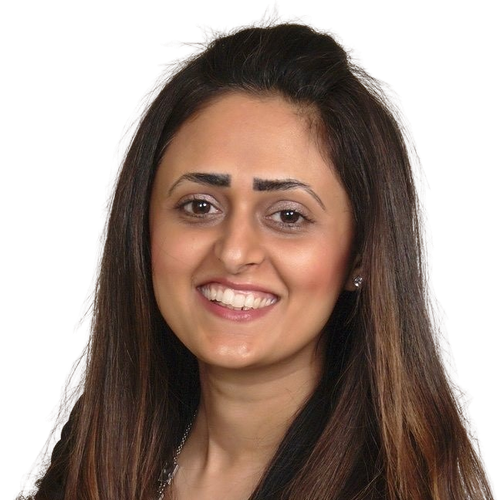 Sunayna TutejaFormer Chief Innovation OfficerFederal Reserve SystemModerator
About this session
Tokenized money is going plural — stablecoins and tokenized bank deposits are both moving toward live enterprise use in 2026, but they hold their value at par through different mechanisms, and each faces a different test under stress. Stablecoins hold par through reserves and redemption, now being formalized by 2026 rulemaking, from the GENIUS Act to MiCA; under stress, the question is whether reserves and redemption queues hold up in a run. Tokenized deposits hold par through the existing two-tier banking system and a central bank's guarantee of convertibility, but scale through interbank plumbing that's still being decided — settlement-bank arrangements or shared platforms. Under stress, the question there is whether that plumbing, and the counterparty exposure it creates, holds up if a bank or a platform fails.
As regulators and participants warned at the Point Zero Forum, the open question is whether convertibility at par survives a crisis in practice, on any of these rails. This session asks what needs to be built at each stage — reserve or capital backing, custody or bank participation, secondary-market trading, and cross-ledger settlement — for that convertibility to hold under stress. It puts reserve-backed and deposit-backed models on equal footing: where each is already resilient, where each is still exposed, and whether a fragmented rails landscape is itself becoming the bigger risk to singleness than any one model's design.
-

