.svg)
.svg)
%20(1).svg)
%20(1).svg)
.svg)
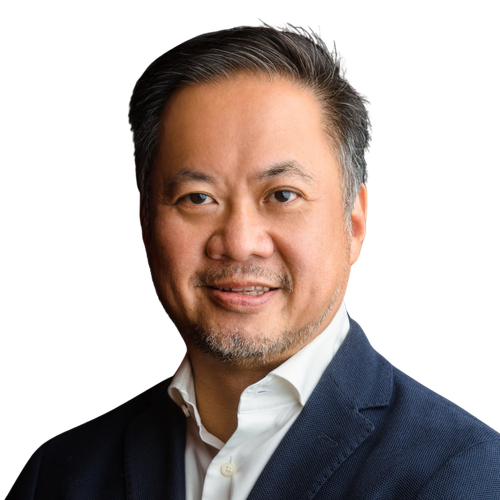
Prof. Chia Tek Yew
Adjunct Professor/Advisor
NUS - Asian Institute of Digital Finance
View LinkedIn profileTek Yew has more than 30 years of consulting experience and is a subject matter expert in multiple aspects of financial services, including working with central banks and regulators across Asia and the Middle East.
He is now an Adjunct Professor and Advisor to the National University of Singapore's Asian Institute of Digital Finance, a collaboration between the Monetary Authority of Singapore and the NUS. Additionally, he also serves as a senior advisor to Boston Consulting Group as well as the ASEAN Bankers’ Association.
Prior to this, he was Vice Chairman of Oliver Wyman Singapore and had held senior positions in KPMG, Hewlett Packard Consulting & Integration and PwC Consulting East Asia.
Speaking At
-
3:15–4:45pmTue 17 NovPublic-Private RoundtableRoundtable Room 4Invite-OnlyModerator
Accountability & Liability In Agentic Systems
Towards Greater AI Governance Alignment: State of Play and Opportunities
-
 Aayush SuranaAssociate Director, AI Growth & ResearchGlobal Finance & Technology NetworkModerator
-
 Prof. Chia Tek YewAdjunct Professor/AdvisorNUS - Asian Institute of Digital FinanceModerator
About this session
Globally, regulators are each moving ahead with their own AI governance tracks, ranging from voluntary frameworks to draft legislation and sector-specific rules. This growing regulatory fragmentation, if not managed well, could raise the compliance burden for regional fintechs and banks, and ultimately undermine broader goals of achieving integrated digital markets, with multinational financial institutions having to account for different risk-classification, testing, and disclosure regimes in their AI use-cases.
Using Southeast Asia as a case, this roundtable takes stock of how ASEAN member states regulate and supervise AI in financial services, and where closer alignment is within reach. Participants, including ASEAN central banks, banking associations, and regional financial institutions, will discuss the most pressing near-term opportunities to leverage and challenges to address.
Roundtable outputs will feed into efforts to build a long-term implementation roadmap to facilitate greater alignment across AI governance in ASEAN, with lessons relevant to any region working to bring AI rules closer together.
-
-
3:45–5:15pmTue 17 NovPublic-Private RoundtableRoundtable Room 4Invite-Only
Enabling The Next Wave Of Innovation
Is AI Pulling the Ladder Up? Reimagining Job-Ready Skills in the AI Transition
-
 Arvind SankaranSenior Fintech ExpertAsian Development Bank
-
Prof. Chia Tek YewAdjunct Professor/AdvisorNUS - Asian Institute of Digital Finance
-
 Osamu AbeChief of Staff, Asia PacificMUFG Bank Ltd
-
 Priyank HiraniVice President of Programsdata.org
-
 Tram Anh NguyenCo-Founder of CFTE (Centre for Finance, Technology and Entrepreneurship), Chairwoman of Global Women in AICFTE (Centre for Finance, Technology and Entrepreneurship)
-
 Akanksha RathHead of Capacity BuildingGlobal Finance & Technology Network (GFTN)Moderator
About this session
The white-collar skills that have historically lifted millions out of poverty across emerging economies are now facing disruption from AI. In the Philippines alone, the ILO estimates that more than a quarter of the workforce — some 12.7 million workers — holds jobs at risk of being displaced by AI automation. Most of these roles will be transformed rather than eliminated outright, but the shift is already reshaping what "job-ready" means for graduates and mid-career workers alike.
This roundtable brings together policymakers, regulators, educators, and industry leaders to confront the anxiety facing today's fresh graduates and mid-careerists, many of whom were trained for a job market that is changing faster than their curricula can keep pace with. Panelists will chart the policy interventions, employer strategies, and new models of education that will define career pathways for the next generation of workers in emerging economies. -